
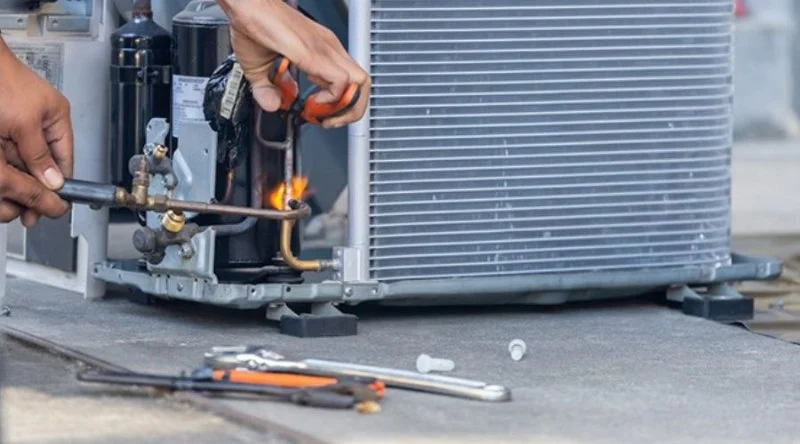
DIY Guide to Fixing Air Conditioner Refrigerant Leaks
- 1 - Understanding Refrigerant Leaks
- 2 - Common Causes of Refrigerant Leaks
- 3 - Safety Precautions Before DIY Repairs
- 4 - Detecting Refrigerant Leaks
- 5 - Using Soap Solution Method
- 6 - UV Dye Detection
- 7 - Electronic Leak Detectors
- 8 - Preparing Your Tools and Supplies
- 9 - Applying Sealant to Small Leaks
- 10 - Recharging Refrigerant Properly
- 11 - Monitoring Pressure and Performance
- 12 - Avoiding Common DIY Mistakes
- 13 - Maintaining Your AC After Repair
- 14 - When to Call a Professional
- 15 - Preventative Tips to Avoid Leaks
- 16 - Recording Repair and Maintenance History
- 17 - Troubleshooting Performance Issues
- 18 - Understanding System Warranty
- 19 - Energy Efficiency Considerations
- 20 - Documenting DIY Repairs
- 21 - Learning from Case Studies
- 22 - Tools for Long-Term Maintenance
- 23 - Enhancing Lifespan of Your AC
1 - Understanding Refrigerant Leaks
Refrigerant is essential for your air conditioner's cooling system. Leaks reduce efficiency, strain components, and increase energy bills. Knowing how leaks occur is the first step to effective DIY repair.
2 - Common Causes of Refrigerant Leaks
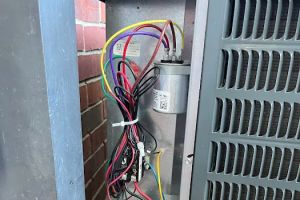
Leaks can be caused by aging pipes, corrosion, poor installation, vibrations, or physical damage. Recognizing the source helps in selecting the proper repair method.
D&L Parts Company
FayettevilleCumberland CountyNorth Carolina
3609 Sycamore Dairy Rd, Fayetteville, NC 28303, USA
3 - Safety Precautions Before DIY Repairs
Always wear gloves and safety glasses, ensure the unit is powered off, and work in a well-ventilated area. Refrigerants can be harmful if mishandled.
4 - Detecting Refrigerant Leaks
Early detection is key to avoiding costly repairs. Leaks may be indicated by warm airflow, hissing noises, ice buildup, or higher energy consumption.
5 - Using Soap Solution Method
Apply a soap and water mixture to suspected areas. Bubbles form at the leak site. This inexpensive method is ideal for visible and accessible components.
6 - UV Dye Detection
Add UV dye to the refrigerant, then use a UV light to identify leak points. This method is highly effective for small or hidden leaks in piping or coils.
7 - Electronic Leak Detectors
Handheld electronic detectors sense refrigerant gas in the air. These devices increase accuracy and speed in locating leaks for precise repairs.
8 - Preparing Your Tools and Supplies
Gather leak sealants, UV dyes, detection lights, wrenches, refrigerant recharge kits, and cleaning supplies. Proper preparation ensures efficiency and safety during repair.
9 - Applying Sealant to Small Leaks
Sealants can stop minor leaks in coils or pipes. Follow product instructions carefully. Overuse may cause blockages or system imbalance.
10 - Recharging Refrigerant Properly
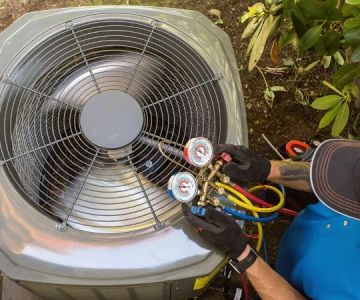
Refill refrigerant using correct type and charge. Avoid overfilling, which can damage the compressor. Monitoring gauges ensures safe levels are restored.
11 - Monitoring Pressure and Performance
After repair, measure pressure and airflow. Verify the AC reaches the target temperature efficiently. This confirms the leak is fixed and system functions properly.
12 - Avoiding Common DIY Mistakes
Do not bypass safety valves or attempt large-scale repairs without experience. Incorrect handling can result in personal injury, environmental harm, and equipment damage.
13 - Maintaining Your AC After Repair
Keep coils clean, inspect pipes regularly, and maintain proper refrigerant levels. Routine upkeep prevents recurrence and maximizes efficiency.
14 - When to Call a Professional
If leaks are extensive, the compressor shows signs of stress, or the system underperforms despite DIY attempts, contact certified technicians to avoid further damage.
15 - Preventative Tips to Avoid Leaks
Install vibration dampeners, monitor pressure changes, and schedule annual inspections. Preventative measures reduce the risk of refrigerant leaks.
16 - Recording Repair and Maintenance History
Document dates of repairs, parts replaced, and leak locations. This helps in tracking system health and aids professional service if needed later.
17 - Troubleshooting Performance Issues
Track unusual temperatures, airflow variations, and energy usage. Address minor issues early to prevent compressor strain and expensive repairs.
18 - Understanding System Warranty
Know the warranty terms for your AC. Some DIY repairs may void coverage, so review manufacturer guidelines before attempting work.
19 - Energy Efficiency Considerations
Proper refrigerant levels ensure optimal energy consumption. Avoiding leaks helps maintain efficiency, lowering utility costs and environmental impact.
20 - Documenting DIY Repairs
Keep notes and photos of all work done. This documentation supports future maintenance, troubleshooting, or warranty claims.
21 - Learning from Case Studies
Review real-world examples of AC leaks and DIY fixes. Understanding common pitfalls and successful strategies helps you improve repair outcomes.
22 - Tools for Long-Term Maintenance
Maintain leak detection tools, pressure gauges, and refrigerant kits. Ready access ensures timely intervention and reduces the risk of significant system failure.
23 - Enhancing Lifespan of Your AC
Routine inspections, leak prevention, and timely minor repairs extend your air conditioner’s life. A well-maintained system avoids costly replacements and maintains performance.
 Memphis Air Care Heating and Cooling LLC4.0 (79 reviews)
 Gunny Pepper Heating & Cooling4.0 (101 reviews)
 Sears Heating and Air Conditioning1.0 (3 reviews)
 Graham Heating & Air Conditioning - Port Richey (An Arctic Air Holdings Company)4.0 (625 reviews)
 Tri Star Heating and Cooling4.0 (16 reviews)
 Stalwart Air Conditioning & Heating Services LLC5.0 (148 reviews)
 How to Deal with Air Conditioner Odor Problems and Clean the Unit
 What Causes Your Air Conditioner to Overheat and How to Fix It
 Who Should You Trust When You Need to Fix Air Conditioning Leak?
 Who Should You Trust When You Need to Fix Your Central Air Conditioning Unit? | Ac Fix
 AC Troubleshooting: When to Repair vs. Replace Your Unit
 How to Handle a Faulty Air Conditioner Expansion Valve