
- - Understanding What Freon Leaks Really Mean - #freon-basics
- - Common Causes Behind Refrigerant Loss - #causes-leak
- - Early Warning Signs of AC Refrigerant Problems - #warning-signs
- - Real Home Cooling Failure Cases Explained - #real-cases
- - How Professionals Detect and Repair Leaks - #hvac-repair
- - Step-by-Step Diagnosis Before Calling Technicians - #diagnosis-steps
- - Mistakes Homeowners Make That Worsen Leaks - #common-mistakes
- - Long-Term Prevention and AC Maintenance Tips - #maintenance-tips
Understanding What Freon Leaks Really Mean
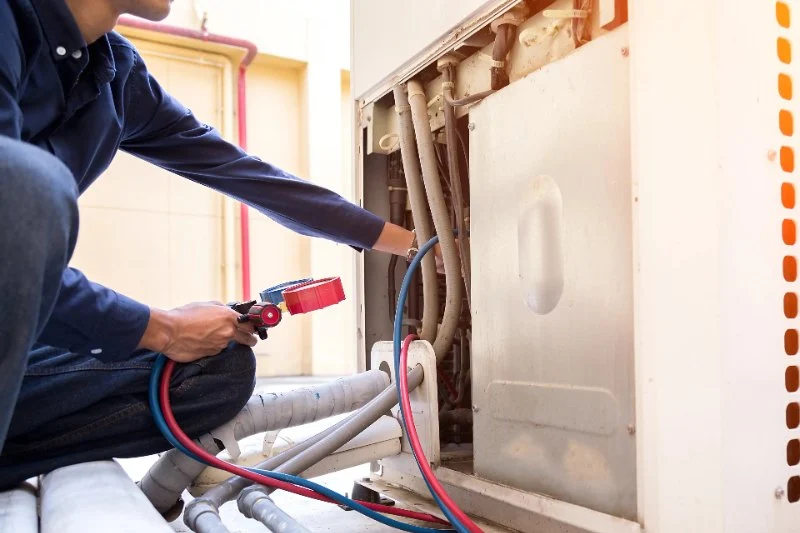
When homeowners search for air conditioner leaking Freon, they are often dealing with one of the most misunderstood HVAC problems. Freon, or refrigerant, is the chemical that allows your AC system to cool air by absorbing heat from inside your home and releasing it outside.
Contrary to common belief, Freon does not get “used up.” If your system is low on refrigerant, it almost always means there is a leak somewhere in the sealed system. This is not a normal part of operation and indicates a mechanical issue.
A properly functioning air conditioner should maintain its refrigerant charge for years without needing a refill. If you are experiencing cooling issues, it is important to understand that adding more Freon without fixing the leak is only a temporary solution.
An HVAC technician once described refrigerant loss as “like trying to keep water in a bucket with a hole—refilling it doesn’t solve the problem.”
HVAC Service Partners
Winter ParkOrange CountyFlorida
2190 W Fairbanks Ave Unit B, Winter Park, FL 32789, USA
Common Causes Behind Refrigerant Loss
One of the most frequent AC refrigerant leak causes is corrosion in copper lines. Over time, exposure to moisture and chemicals can slowly degrade the tubing that carries refrigerant throughout the system.
Another common issue is vibration-related wear. Air conditioning units constantly vibrate during operation, and over time this can cause small cracks or loose fittings in the refrigerant lines.
Factory defects, although less common, can also lead to early leaks. Poor brazing or weak joints may fail after a few years of use, especially in older systems.
Outdoor units are particularly vulnerable because they are exposed to weather conditions such as rain, salt air, and debris. These environmental factors accelerate wear and tear on system components.
A homeowner in Florida once discovered that coastal humidity had slowly corroded the condenser coil, leading to a hidden refrigerant leak that went unnoticed for months.

Carlton Heating & Air Conditioning Inc.
RaleighWake CountyNorth Carolina
6622 Old Wake Forest Rd, Raleigh, NC 27616, USA
Early Warning Signs of AC Refrigerant Problems
Recognizing Freon leak symptoms early can prevent costly repairs and system damage. One of the first signs is reduced cooling performance. If your AC is running but your home is not getting cooler, low refrigerant may be the cause.
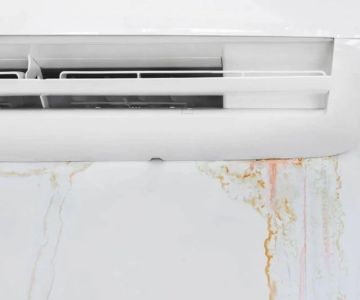
Another warning sign is ice forming on the evaporator coil or refrigerant lines. This happens when pressure drops inside the system due to insufficient refrigerant.
You may also notice longer cooling cycles. The system runs continuously but struggles to reach the desired temperature.
In some cases, homeowners report unusual hissing or bubbling noises coming from the indoor or outdoor unit. These sounds can indicate refrigerant escaping from a small leak.
A technician from Texas once explained that many customers ignore these early signs, assuming the system simply needs “maintenance,” when in reality a leak is already developing.
Real Home Cooling Failure Cases Explained
One common case involves a family in Arizona who noticed their home was becoming warmer each summer despite regular AC use. Initially, they assumed the system was just aging. However, after inspection, a small leak in the evaporator coil was discovered.
Another case involved a rental property in California where tenants complained about inconsistent cooling. The issue was traced back to a slow refrigerant leak in a poorly connected joint that had gone unnoticed for years.
In both situations, the systems continued running while gradually losing efficiency, resulting in higher energy bills and reduced comfort.
These examples highlight how low refrigerant air conditioner issues can develop silently over time before becoming major system failures.
How Professionals Detect and Repair Leaks
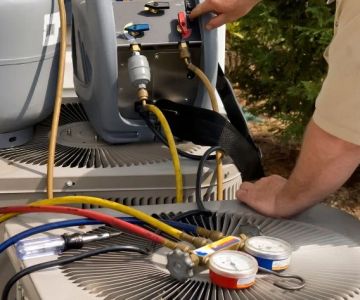
HVAC technicians use several methods for HVAC leak detection. One common method is electronic leak detectors that sense refrigerant particles in the air around the system.
Another method involves using ultraviolet dye. The dye is injected into the system, and leaks become visible under UV light, making it easier to locate even tiny cracks.
In some cases, pressure testing is performed to determine if the system is losing refrigerant over time.
Once the leak is found, repair may involve sealing small cracks, replacing damaged coils, or tightening connections depending on severity.
At Ac Fix HVAC service locations, technicians often emphasize that proper diagnosis is the most important step before any repair work begins.
Step-by-Step Diagnosis Before Calling Technicians
Before calling a professional for how to fix Freon leak in AC, homeowners can perform a few basic checks. Start by verifying that the thermostat is set correctly and the air filter is clean.
Next, inspect the outdoor unit for visible damage or ice buildup. Ice formation is a strong indicator of refrigerant imbalance.
Listen for unusual noises such as hissing or bubbling, which may suggest escaping refrigerant.
Check airflow from vents. Weak airflow combined with warm air is often a symptom of low refrigerant levels.
While these steps do not confirm a leak, they help narrow down the problem before professional inspection.
Mistakes Homeowners Make That Worsen Leaks
One of the biggest mistakes is repeatedly recharging the system with refrigerant without addressing the root cause. This leads to repeated failures and higher long-term costs.
Another mistake is ignoring early symptoms like reduced cooling or ice formation, assuming the system is simply “working harder” due to heat.
Some homeowners also attempt DIY repairs without proper tools, which can worsen the damage or create safety risks.
HVAC professionals consistently warn that refrigerant systems are sealed and should only be handled by certified technicians.
Long-Term Prevention and AC Maintenance Tips
Preventing air conditioner leaking Freon starts with regular maintenance. Annual inspections help identify early signs of wear before leaks develop.
Cleaning coils and replacing air filters regularly ensures proper airflow and reduces strain on system components.
Keeping outdoor units clear of debris, leaves, and dirt also helps prevent corrosion and physical damage.
Professional tune-ups from services like Ac Fix can significantly extend the lifespan of your HVAC system while improving efficiency.
Understanding refrigerant issues early allows homeowners to avoid expensive breakdowns and maintain consistent cooling performance throughout the year.


 Bailey Heating, Air & Electrical4.0 (506 reviews)
 Mel Daniel Heating Cooling & Electrical5.0 (2 reviews)
 Avery Heating & Air Conditioning4.0 (72 reviews)
 Edwards & Hammons4.0 (17 reviews)
 Firehouse Heating and Air4.0 (397 reviews)
 TITAN AIR CONDITIONING & HEATING5.0 (4 reviews)
 How to Fix a Refrigerant Leak in Your Air Conditioner
 How to Extend the Life of Your Air Conditioner with These Easy Fixes
 Avoid These Common Mistakes When Trying to Fix Your AC: Expert Advice
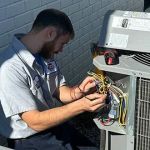 How to Diagnose an Air Conditioner Problem Before Calling a Technician
 Understanding the Importance of Regular AC Maintenance for Long-Lasting Performance
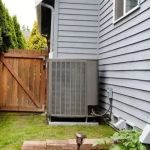 How to Identify and Fix a Faulty Air Conditioner Condenser Fan: A Comprehensive Guide