
Why Your Air Conditioner Stops Cooling Properly
- airflow-problems - How restricted airflow leads to weak or warm cooling
- refrigerant-issues - Why low refrigerant is a major cause of AC failure
- electrical-and-mechanical-failures - Internal component issues affecting cooling performance
- maintenance-failures - How neglect leads to system inefficiency over time
- real-world-repair-scenarios - Common homeowner experiences and solutions
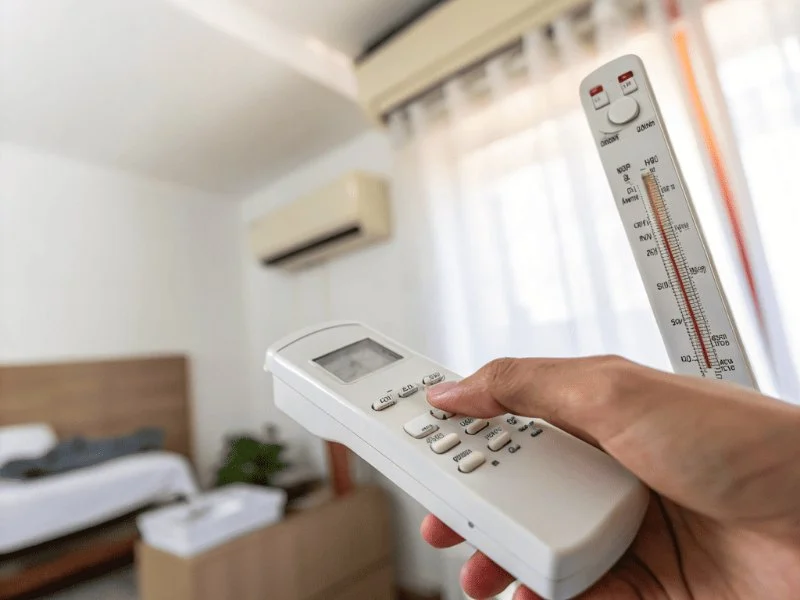
When dealing with a home comfort issue like an air conditioner not blowing cold air, the frustration usually builds quickly—especially during peak summer heat. Many homeowners assume the entire system has failed, but in reality, most cooling issues come from a few predictable and fixable causes.
Understanding what is happening inside your AC system can save you both time and unnecessary repair costs. In many cases, the problem is not a full breakdown but a combination of airflow restrictions, maintenance neglect, or minor mechanical issues that escalate over time.

Custom Air Conditioning & Air Quality
ZephyrhillsPasco CountyFlorida
36921 Pure Water Wy, Zephyrhills, FL 33541, USA
Start with the Simplest Problem: Airflow Restrictions
One of the most common reasons for fixing an air conditioner that is not blowing cold air is restricted airflow. When air cannot move freely through the system, the cooling cycle becomes inefficient and uneven.
A dirty air filter is often the first culprit. Over time, dust and debris block airflow, forcing the system to work harder while producing less cooling output. In one real homeowner case from Arizona, a family thought their entire AC unit had failed, but the issue turned out to be a filter that hadn’t been replaced in over six months.
Once the filter was replaced and vents were cleaned, the cooling performance returned almost immediately. This simple fix highlights why routine maintenance is essential before assuming major repairs are needed.
Dirty Works Services llc *Air Conditioning*
PoplarvillePearl River CountyMississippi
309 N Jackson St, Poplarville, MS 39470, USA
Refrigerant Levels and Why They Matter
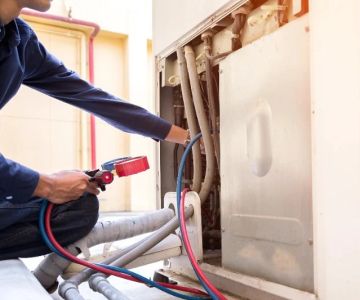
Refrigerant is the substance responsible for absorbing heat from your indoor air and releasing it outside. If your system is low on refrigerant, the AC may still run—but it will blow warm or slightly cool air instead of properly chilled air.
Low refrigerant typically indicates a leak, not just natural depletion. Unlike fuel, refrigerant is not something that gets “used up” over time. A drop in levels almost always means a system issue that needs professional attention.
A common example comes from homeowners in humid climates who notice their AC running constantly without lowering indoor temperatures. In many of these cases, HVAC technicians later discover slow refrigerant leaks in coils or connection lines.
This is where professional HVAC support becomes important. Attempting to refill refrigerant without fixing the leak only leads to repeated failure and higher long-term costs.
Dirty Coils and Internal Heat Transfer Problems
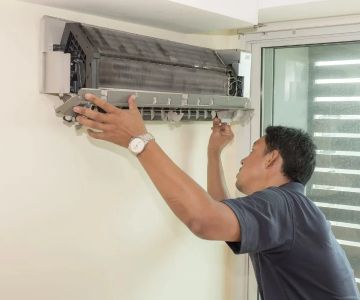
Another overlooked cause of air conditioner not blowing cold air is dirty evaporator or condenser coils. These coils are responsible for transferring heat, and when they are coated in dust or grime, the system cannot cool efficiently.
A homeowner in Florida once shared how their AC performance slowly declined over months. They assumed the system was aging, but after a technician inspected it, both coils were heavily clogged with dirt and pollen buildup. After cleaning, cooling efficiency improved dramatically.
This shows how gradual buildup can quietly reduce system performance without obvious warning signs until the problem becomes severe.
Thermostat Issues That Are Easy to Overlook
Sometimes the issue is not mechanical at all—it is the thermostat. Incorrect settings, calibration errors, or battery failure can all cause your system to behave unpredictably.
In one real case, a homeowner believed their AC was broken during a heatwave, only to discover the thermostat had been accidentally switched from “cool” to “fan mode.” The system was running normally, but without active cooling.
While simple, this mistake is more common than expected, especially in homes with programmable or smart thermostats that can be accidentally reset.
Electrical Components and Hidden Failures
Capacitors, contactors, and fan motors all play essential roles in keeping your AC system running. When any of these components fail, cooling performance drops significantly or stops entirely.
For example, a failing capacitor may allow the system to turn on, but not provide enough power to start the compressor. This results in warm air circulation even though the system appears to be running.
These issues are often not visible without testing equipment, which is why professional inspection becomes necessary when basic troubleshooting does not solve the problem.
Real-Life Scenario: When Small Issues Become Big Problems
A family in Texas experienced weak cooling throughout the summer and assumed their system was simply aging. They delayed maintenance for months, only to discover later that a combination of dirty filters, low refrigerant, and a weak capacitor had been working together to reduce efficiency.
Once repaired, the system returned to full performance, but the delay had caused higher energy bills and unnecessary strain on the compressor.
This kind of situation is common and highlights the importance of early diagnosis when dealing with cooling issues.
Preventive Maintenance and Long-Term Cooling Efficiency
Preventing issues like an air conditioner not blowing cold air starts with consistent maintenance. Regular filter replacement, seasonal inspections, and coil cleaning can dramatically extend system lifespan.
Homeowners who schedule annual HVAC checkups tend to experience fewer breakdowns and more stable cooling performance, especially during peak summer months.
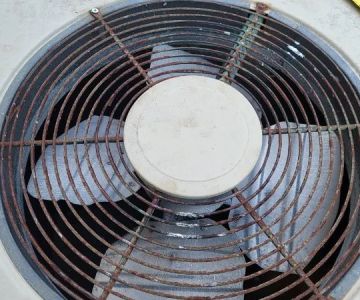
Simple habits such as keeping outdoor units clear of debris and ensuring indoor vents are unobstructed can also make a significant difference.
For those looking to maintain or upgrade their systems, platforms like Ac Fix can help connect homeowners with relevant AC products, maintenance solutions, and service options tailored to system performance needs.
When Professional Help Becomes Necessary
While many AC issues can start with simple fixes, there are moments when professional diagnosis is the safest option. If your system continues blowing warm air after filter replacement and thermostat checks, deeper mechanical issues may be present.
Technicians use specialized tools to measure pressure, detect leaks, and test electrical components—ensuring the problem is correctly identified rather than guessed.
Ignoring persistent cooling problems can lead to compressor failure, which is one of the most expensive AC repairs.
Understanding the Bigger Picture of AC Performance
Cooling systems are complex but predictable. Most cases of poor performance are not random—they follow patterns related to airflow, refrigerant balance, or maintenance neglect.
By understanding these patterns, homeowners can make smarter decisions, reduce repair costs, and maintain a more comfortable living environment year-round.
When handled early, even an air conditioner not blowing cold air situation can often be resolved without major repairs, restoring comfort quickly and efficiently.
 Arlington Heating & Air Conditioning4.0 (16 reviews)
 Deese Electric Heating & Cooling4.0 (39 reviews)
 B. F. Mahn & Sons, Inc.4.0 (764 reviews)
 Fatzick Refrigeration & A.C.4.0 (16 reviews)
 Florida Comfort Air Conditioning Inc4.0 (903 reviews)
 West Erwin Auto Repair4.0 (85 reviews)
 The Ultimate Checklist to AC Fix Successfully - Expert Guide for Troubleshooting
 How to Fix Your AC Like a Pro: Expert Tips for Affordable Repairs
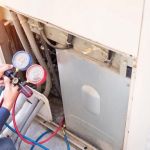 How to Solve Air Conditioner Problems Caused by Low Refrigerant
 Can You Fix Air Conditioning Without Replacing the Entire System?
 How to Fix Your Air Conditioning in 2025: Trends, Tips, and Cost-Saving Strategies
 Best Services That Can Fix My Air Conditioner Near You Today