
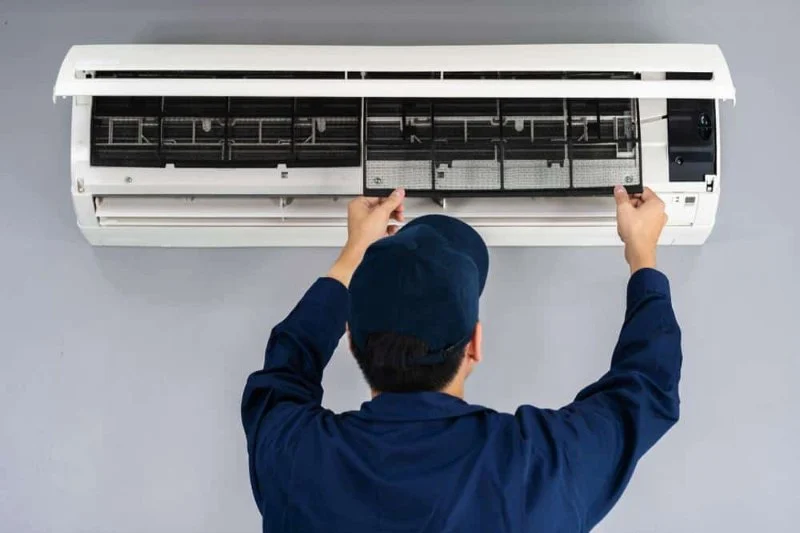
- basic-checks-before-reset - Essential safety steps and power verification
- step-by-step-reset-process - How to safely reset your AC system
- power-surge-impact-on-ac - Understanding what damage may occur
- common-errors-after-surge - Why your AC may still not start
- when-to-call-professional - Signs you need HVAC support
- prevention-tips-future-surges - Protecting your system long-term
When a Power Surge Leaves Your Cooling System Silent
A sudden power surge can feel like a small household disaster. One moment your air conditioner is running smoothly, and the next, everything shuts off without warning. Many homeowners in the U.S. first encounter this issue during summer thunderstorms or after grid fluctuations. The most common search afterward is how to reset your air conditioner after a power surge, because the system often looks completely “dead” even when it isn’t permanently damaged.
In many cases, the AC unit has simply triggered built-in safety protections. These protections are designed to prevent electrical damage, but they can also leave the system locked until a proper reset is performed. Understanding what is happening internally helps avoid unnecessary repair costs and panic.
Understanding What a Power Surge Does to Your AC System
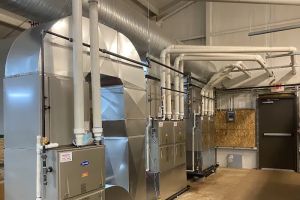
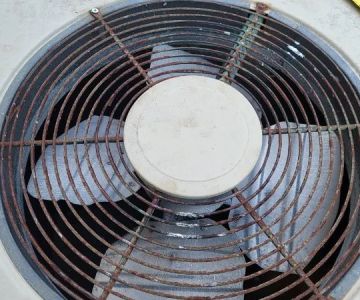
Before learning how to reset your system, it helps to understand what actually happens during a surge. Air conditioners are highly sensitive electrical systems. Inside the outdoor condenser and indoor air handler are control boards, capacitors, and sensors that regulate cooling cycles.
When a power surge occurs, excess voltage can disrupt these components. In many modern systems, the circuit board will shut down automatically. This is not always damage—it is often a protective lockout mode.
New Circle Mechanical HVAC Electric And Plumbing
LouisvilleJefferson CountyKentucky
206 Old Harrods Creek Rd #3B, Louisville, KY 40299, USA
How modern AC safety systems respond
Most newer HVAC systems are designed with surge protection logic. They may:
1. Shut down the compressor immediately2. Lock the thermostat signal3. Disable restart until power stabilizes4. Store an internal error code for diagnosis
This is why your unit may appear unresponsive even though your breaker box looks normal.
Basic Checks Before Attempting a Reset
Before jumping into any reset procedure, there are important safety and diagnostic steps. Many homeowners skip this stage and end up resetting a system that still has an active electrical issue.
Confirming electrical stability
Start by checking your home’s breaker panel. Look for any tripped breakers connected to your HVAC system. Even if they appear “on,” flipping them fully off and back on can help restore connection.
Next, verify whether other appliances experienced disruptions. If multiple systems were affected, the surge may have impacted more than just your AC unit.
Checking thermostat response
If your thermostat screen is blank or frozen, replace batteries or check wiring if it is hardwired. A non-responsive thermostat is often mistaken for a broken AC system when it is actually part of the reset chain.
Step-by-Step Guide: How to Reset Your Air Conditioner After a Power Surge
Once basic checks are complete, you can proceed with a structured reset. This process works for many central air systems and ducted HVAC units commonly used in American homes.
Step 1: Turn off the system completely
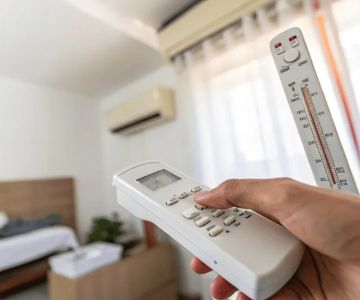
Switch your thermostat to “off” mode. Then locate your AC disconnect box near the outdoor unit and turn it off. This ensures no electricity is flowing through the system during reset preparation.
Step 2: Reset the breaker
Go to your electrical panel and locate the HVAC breaker. Turn it fully off, wait about 60 seconds, then switch it back on. This allows internal relays to discharge and reset.
Step 3: Wait before restarting
Patience is important here. Wait at least 5–10 minutes. This allows internal capacitors and control boards to fully reset.
Step 4: Restore power to the outdoor unit
Return to the disconnect box and turn it back on. At this point, your system should be fully powered again but still inactive.
Step 5: Restart thermostat settings
Set your thermostat to cooling mode and adjust the temperature below room level. You should hear your system initiate a startup cycle within a few minutes.
Real-World Example: A Summer Storm Recovery Case
A homeowner in Texas shared a common scenario after a severe thunderstorm. Their AC stopped working immediately after a lightning strike nearby. Initially, they assumed the compressor had failed, but after following a structured reset process, the system restarted normally.
The issue turned out to be a tripped breaker combined with a locked thermostat signal. This kind of situation is extremely common during peak storm season in many U.S. regions. It shows why learning how to reset your air conditioner after a power surge can save both time and unnecessary service calls.
Common Problems That Still Prevent Startup After Reset
Sometimes a reset alone does not restore functionality. In these cases, deeper issues may be present.
Blown capacitor or internal fuse
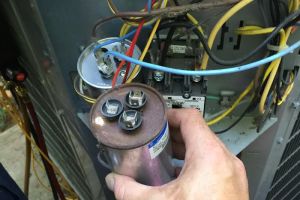
A surge can damage capacitors that help start the compressor. If you hear clicking but no startup, this may be the cause.
Tripped safety sensors
Modern systems include pressure and temperature sensors that may remain locked after abnormal voltage spikes.
Faulty control board behavior
In rare cases, the circuit board itself may require replacement if it cannot clear error memory.
When Professional Help Becomes Necessary
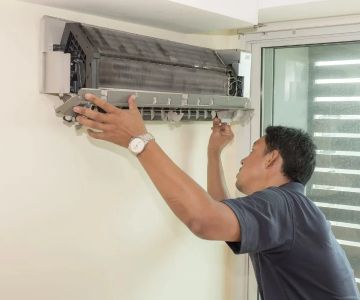
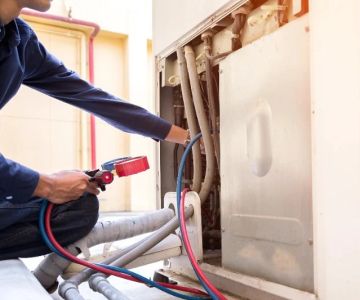
If your system still refuses to start after a full reset cycle, it is time to consider expert inspection. HVAC technicians can test voltage stability, inspect compressor health, and replace damaged electronic components.
For homeowners looking for trusted guidance and repair-related insights, platforms like Ac Fix provide helpful information and service direction for diagnosing post-surge AC issues.
How to Prevent Future Power Surge Damage
Once your system is restored, prevention becomes the next priority. Power surges are unpredictable, but their impact can often be reduced with preparation.
Installing surge protection devices
Whole-home surge protectors installed at the breaker panel offer strong defense against voltage spikes. They are especially useful in storm-prone regions.
Using HVAC-specific surge protectors
Dedicated AC surge protectors installed near outdoor units provide an additional layer of safety for compressors and control boards.
Routine system inspections
Annual HVAC maintenance helps identify weak electrical components before they fail during a surge event.
Final Practical Insight for Homeowners
Power surges are stressful, especially when your cooling system suddenly stops during hot weather. However, many cases are not permanent failures. Knowing how to reset your air conditioner after a power surge gives homeowners a practical first response before calling for repairs.
With a structured approach, most systems can be safely restored within minutes. And when deeper issues appear, timely diagnosis ensures that small electrical problems do not turn into expensive replacements.
 Arlington Heating & Air Conditioning4.0 (16 reviews)
 Deese Electric Heating & Cooling4.0 (39 reviews)
 B. F. Mahn & Sons, Inc.4.0 (764 reviews)
 Fatzick Refrigeration & A.C.4.0 (16 reviews)
 Florida Comfort Air Conditioning Inc4.0 (903 reviews)
 West Erwin Auto Repair4.0 (85 reviews)
 The Ultimate Checklist to AC Fix Successfully - Expert Guide for Troubleshooting
 How to Fix Your AC Like a Pro: Expert Tips for Affordable Repairs
 How to Solve Air Conditioner Problems Caused by Low Refrigerant
 Can You Fix Air Conditioning Without Replacing the Entire System?
 How to Fix Your Air Conditioning in 2025: Trends, Tips, and Cost-Saving Strategies
 Best Services That Can Fix My Air Conditioner Near You Today