
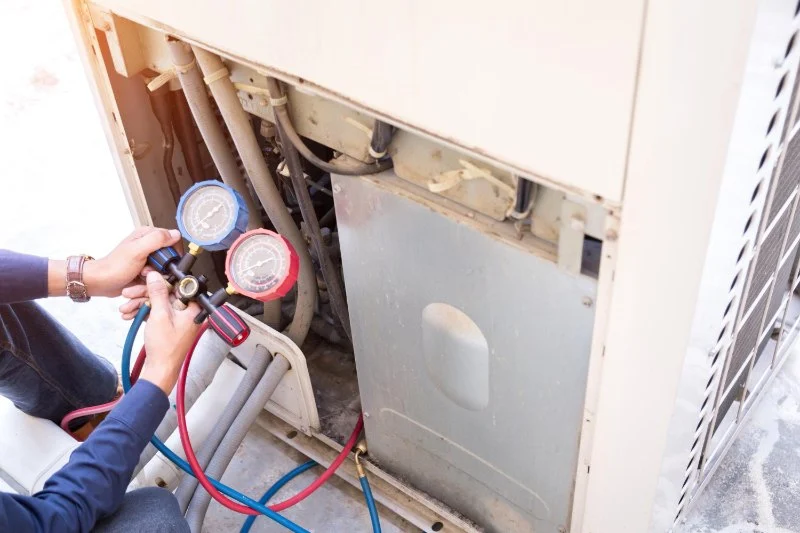
1. Understanding Low Refrigerant and Its Impact on AC Performance
Refrigerant is a crucial component of your air conditioning system. It absorbs and releases heat, allowing your AC unit to cool the air in your home effectively. When the refrigerant level is low, your AC unit can’t perform at its best, leading to poor cooling and higher energy consumption. Low refrigerant typically indicates a leak somewhere in the system, which can cause long-term damage if not addressed promptly. Understanding how low refrigerant affects your AC’s functionality is the first step toward solving the problem.
Pure Air Conditioning
5237 Summerlin Commons Blvd Suite 363, Fort Myers, FL 33907, USA
2. Common Symptoms of Low Refrigerant in Your Air Conditioner
Low refrigerant levels in your air conditioning unit can lead to several noticeable symptoms. These signs often indicate that your AC system needs attention. Some of the most common symptoms of low refrigerant include:
- Poor Cooling: The most obvious sign of low refrigerant is that your AC isn’t cooling your space effectively. You may notice that the air blowing from the vents feels warm or lukewarm instead of cold.
- Ice on the Coils: When there isn’t enough refrigerant, the evaporator coils inside your AC may freeze. This can cause a visible layer of ice on the coils, which can block airflow and damage the system further.
- Hissing or Bubbling Sounds: If your AC is low on refrigerant, you might hear a hissing or bubbling sound. This noise can indicate a refrigerant leak, which is allowing the coolant to escape.
- Higher Energy Bills: When your AC has to work harder to cool your home due to low refrigerant levels, it can result in higher energy costs. If your utility bills are unusually high during the summer, low refrigerant could be the culprit.
3. How to Solve Air Conditioner Problems Caused by Low Refrigerant
If you’ve identified that your air conditioner is low on refrigerant, it’s crucial to address the issue to prevent further damage and restore your AC’s performance. Here’s what you can do:

J & C Air Conditioning and Heating
Palm HarborPinellas CountyFlorida
1020 Illinois Ave, Palm Harbor, FL 34683, USA
Step 1: Call a Professional HVAC Technician
Refrigerant leaks are not something that can be easily fixed by the average homeowner. Since refrigerant is a regulated substance, it’s important to have a licensed HVAC technician diagnose and repair the issue. The technician will first locate the leak, which is often done with a special dye or electronic leak detector.
Step 2: Repair the Leak
Once the leak is located, the technician will seal it and then recharge the system with the correct amount of refrigerant. Simply adding more refrigerant without addressing the leak will not fix the problem and could cause the refrigerant to leak out again.
Step 3: Test the System
After the leak is repaired and the refrigerant is replenished, the technician will test the system to ensure it is cooling efficiently again. This may involve checking the temperature difference between the air entering and exiting the evaporator coils, ensuring the refrigerant pressure is at the correct level, and verifying that the system is operating smoothly.
4. Preventing Low Refrigerant Problems in the Future
While low refrigerant is often caused by leaks, there are steps you can take to prevent future refrigerant problems:
- Regular Maintenance: Schedule annual maintenance for your AC unit to keep it in top shape. Regular inspections can help detect any refrigerant leaks before they become significant issues.
- Check for Leaks: If you notice that your AC unit is struggling to cool your space, don’t wait for the problem to worsen. Call a technician to check for leaks and prevent further damage.
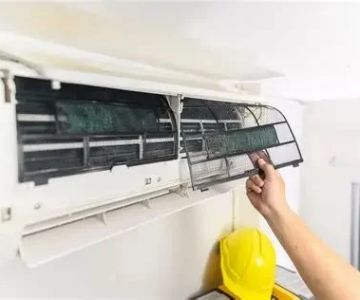
- Clean the Coils: Dirt and debris can obstruct airflow and cause the evaporator coils to freeze, making it harder for the refrigerant to circulate. Keeping your AC coils clean can improve efficiency and extend the life of your system.
5. Real-Life Case Study: Fixing Low Refrigerant Issues
Consider the case of a homeowner, Mary, who noticed that her AC wasn’t cooling her home as effectively as it had in previous summers. After contacting a professional HVAC technician, it was discovered that her AC had a refrigerant leak in the evaporator coil. The technician repaired the leak, recharged the refrigerant, and cleaned the coils. After the repair, Mary’s AC was working perfectly again, and her energy bills went back to normal.
This case highlights the importance of addressing low refrigerant issues promptly. By catching the problem early and working with a professional, Mary avoided a potentially costly breakdown and kept her system running efficiently.
If you're experiencing air conditioner issues caused by low refrigerant, visit Ac Fix for expert advice, repair services, and products to help keep your AC running smoothly.

 Webster Radiator A/C & Auto Truck Repair4.0 (290 reviews)
 Heating & Air Conditioning Gainesville4.0 (39 reviews)
 William Cannon Heating & Air4.0 (25 reviews)
 Terrace Heating & Air4.0 (258 reviews)
 Sears Appliance Repair4.0 (24 reviews)
 Hoelscher Services LLC5.0 (4 reviews)
 The Ultimate Checklist to Fix Air Conditioner Near Me Successfully
 Who Should You Trust When You Need to Fix Your Air Conditioning? | Ac Fix
 How to Identify and Fix an Air Conditioner That’s Leaking
 How to Perform Basic Troubleshooting on Your AC Unit
 Everything You Need to Know Before You Fix Air Conditioning
 DIY vs Professional AC Repair: How to Decide Who Can Fix Your AC