
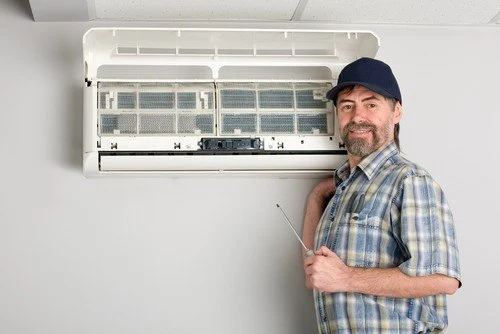
1. Common Reasons AC Blows Warm Air
If your air conditioner is blowing warm air, it’s a sign that something is preventing it from cooling properly. Common causes range from simple thermostat errors to more complex mechanical failures. Understanding these causes is the first step in fixing the problem efficiently.
1.1 Thermostat Misconfigurations
A frequently overlooked reason is the thermostat setting itself. If the thermostat is set incorrectly or malfunctioning, your AC might blow warm air even when the system is functioning normally.
1.2 Dirty Air Filters
Air filters clogged with dust and debris reduce airflow, which can cause the AC to underperform and even lead to freezing of the evaporator coil. Regular filter maintenance is critical to prevent this issue.
1.3 Refrigerant Leaks
Low refrigerant levels are another common cause of warm air. Leaks in the system can prevent the refrigerant from absorbing heat effectively, resulting in inadequate cooling.
2. Checking Thermostat and Settings
Before diving into mechanical troubleshooting, verify that your thermostat is set correctly. Ensure that the temperature is lower than the ambient room temperature and that the AC is in “cool” mode. If your thermostat uses batteries, replacing them may resolve the problem.
2.1 Smart Thermostat Considerations
Smart thermostats can sometimes lose settings during power outages or software updates. Reviewing your app settings and recalibrating the thermostat may restore proper function.
3. Inspecting Air Filters and Coils
Dirty air filters and clogged evaporator or condenser coils are frequent culprits of AC issues. Inspecting these components can quickly reveal obstructions that reduce airflow and cooling efficiency.
3.1 Cleaning Air Filters
Remove and clean or replace air filters regularly, especially during high-use seasons. This simple maintenance can prevent many warm-air problems.
3.2 Evaporator Coil Maintenance
The evaporator coil absorbs heat from your home. Dirt buildup can inhibit its function. Gently cleaning the coil can restore cooling performance without major repairs.
4. Evaluating Refrigerant Levels
Refrigerant is the lifeblood of your AC system. If the level is low, the system cannot absorb and expel heat effectively. Only certified technicians should handle refrigerant inspection and refills due to safety regulations.
4.1 Signs of Low Refrigerant
Watch for ice formation on coils, hissing noises, or reduced cooling efficiency. These are telltale signs that a refrigerant leak may exist.
5. Examining the Outdoor Unit
The outdoor condenser unit dissipates heat. Obstructions like leaves, dirt, or animal activity can reduce its efficiency, causing the AC to blow warm air indoors.
5.1 Cleaning and Clearing Obstructions
Turn off the power before inspecting the unit. Clear debris around the unit and gently clean the fins to maintain optimal airflow.
6. Electrical Issues and Safety Checks
Electrical malfunctions can prevent the compressor or fans from operating correctly. Inspect circuit breakers, fuses, and wiring connections to ensure they are intact and functioning.
6.1 Warning Signs
Buzzing noises, frequent breaker trips, or AC failing to start can indicate electrical issues. These require immediate attention from qualified technicians for safety reasons.
7. Professional Help and Maintenance Tips
While some issues like air filter replacement are DIY-friendly, others such as refrigerant leaks, compressor failure, or complex electrical problems require professional intervention. Scheduling annual maintenance can prevent most of these problems.
7.1 Regular AC Checkups
Professional technicians can inspect your system for early signs of wear, clean critical components, and optimize refrigerant levels to ensure reliable cooling throughout the season.
8. Preventive Strategies to Avoid Warm Air
Preventive maintenance is key to avoiding future warm-air issues. Clean air filters monthly, keep the outdoor unit free of debris, and schedule regular professional inspections.
8.1 Energy Efficiency Tips
Sealing ductwork, insulating the home, and using programmable thermostats not only prevent warm-air problems but also reduce energy bills and prolong AC lifespan.
9. Real-Life Case Studies of AC Repair
Consider the example of a homeowner in Phoenix whose AC was blowing warm air. After replacing a clogged air filter and cleaning the condenser coil, the system regained full efficiency. In another case, a refrigerant leak required professional repair, restoring cooling to a previously unbearable home environment.
For guidance on resolving AC problems efficiently and accessing the best repair services, Ac Fix provides expert advice, recommended products, and professional service options tailored to your home cooling needs.


 Shaffer's Heat and Air LLC5.0 (28 reviews)
 Rutland’s Air Conditioning & Refrigeration0.0 (0 reviews)
 United Refrigeration Inc4.0 (14 reviews)
 Cornerstone AC & Heat LLC5.0 (66 reviews)
 Temperature Humidity Air Quality Solutions4.0 (98 reviews)
 AirOne Heating and Air Conditioning4.0 (340 reviews)
 How to Fix Water Leaks in Your Air Conditioner Fast
 How to Fix a Frozen Coil in Your Air Conditioner Quickly and Safely
 Why Your Air Conditioner Isn’t Cooling Properly and How to Repair It
 How to Repair Your Air Conditioner’s Compressor for Optimal Efficiency
 Best Services That AC Fix Near You Today – Fast, Reliable, Local Help
 How to Repair Air Conditioner Issues Without the Help of a Technician