
- - Why Refrigerant Leaks Are Serious
- - Understanding How Refrigerant Works
- - Most Common Signs of a Refrigerant Leak
- - What Causes Air Conditioner Refrigerant Leaks
- - How Technicians Detect Refrigerant Leaks
- - How Refrigerant Leaks Are Fixed
- - Dangers of Ignoring a Refrigerant Leak
- - Preventing Future Refrigerant Problems
- - Real Homeowner Experiences
- - Keeping Your HVAC System Efficient
1. Why Refrigerant Leaks Are Serious
Air conditioning systems are designed to keep homes cool, comfortable, and energy efficient during hot weather. However, when an air conditioner develops a refrigerant leak, the entire cooling process begins to break down. Many homeowners initially assume the problem is minor because the system may continue running for days or even weeks. In reality, refrigerant leaks are among the most serious HVAC issues a homeowner can face.
Unlike condensation or drain line leaks, refrigerant leaks directly affect the cooling performance and internal pressure balance of the air conditioning system. If ignored too long, the leak can eventually damage the compressor, which is often the most expensive component in the entire HVAC unit.
In recent years, HVAC professionals across the United States have reported increasing service calls related to refrigerant leaks, especially during extreme summer heat waves. Older systems are particularly vulnerable because years of vibration, corrosion, and pressure changes gradually weaken refrigerant lines and coils.
What makes refrigerant leaks especially frustrating is that the symptoms often develop slowly. Homeowners may first notice slightly warmer air, longer cooling cycles, or higher utility bills without immediately realizing the true cause.
Understanding how to identify refrigerant leaks early can save homeowners thousands of dollars in repairs and prevent major cooling system failures.

Cagle Service Heating and Air
JacksonMadison CountyTennessee
319 Vann Dr E-287, Jackson, TN 38305, USA
2. Understanding How Refrigerant Works
Before identifying refrigerant leaks, it helps to understand what refrigerant actually does inside an air conditioning system.
Reed Mechanical Services LLC
TullahomaCoffee CountyTennessee
200 S Jackson St #1525, Tullahoma, TN 37388, USA
2.1 The Role of Refrigerant in Cooling
Refrigerant is a specialized chemical compound that absorbs heat from indoor air and transfers it outside. It continuously cycles through the HVAC system using pressure changes and temperature conversion.
The refrigerant moves through:
- The evaporator coil
- Compressor
- Condenser coil
- Expansion valve
This closed-loop system allows the air conditioner to cool indoor spaces effectively.
2.2 Why Refrigerant Should Never Run Low
Many homeowners mistakenly believe refrigerant behaves like fuel that naturally gets used up over time. In reality, refrigerant does not get consumed during normal operation.
If refrigerant levels are low, the system almost always has a leak somewhere.
Adding more refrigerant without repairing the leak only provides temporary relief and may worsen long-term system damage.
3. Most Common Signs of a Refrigerant Leak
Refrigerant leaks can create several warning signs. Recognizing them early is critical.
3.1 Reduced Cooling Performance
One of the earliest symptoms is weak cooling.
Homeowners often notice:
- Warm air from vents
- Longer cooling cycles
- Rooms cooling unevenly
- Difficulty reaching thermostat settings
The system may continue operating, but it struggles to remove heat effectively.
3.2 Higher Electricity Bills
As refrigerant levels drop, the air conditioner works harder and longer to maintain indoor temperatures.
This increased workload often leads to sudden spikes in electricity costs.
Many homeowners discover refrigerant issues only after receiving unusually high summer energy bills.
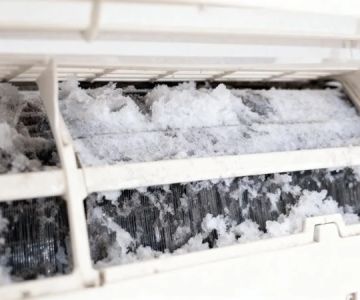
3.3 Frozen Evaporator Coils
Low refrigerant pressure can cause the evaporator coil to become excessively cold and freeze.
Visible ice buildup around indoor coils or refrigerant lines is a major warning sign.
Ironically, frozen coils usually reduce cooling performance even further.
3.4 Hissing or Bubbling Sounds
Small refrigerant leaks sometimes create faint hissing noises as gas escapes through tiny openings.
Larger leaks may produce bubbling sounds.
These noises often occur near refrigerant lines, coils, or connection points.
3.5 Increased Indoor Humidity
Air conditioners remove both heat and humidity from indoor air.
When refrigerant levels are insufficient, the system may struggle to control moisture properly.
Homeowners may notice sticky or damp indoor conditions even while the AC is running.
3.6 Short Cycling
Some leaking systems begin turning on and off repeatedly due to pressure imbalances.
This behavior places additional strain on HVAC components.
4. What Causes Air Conditioner Refrigerant Leaks
Several different factors can contribute to refrigerant leaks over time.
4.1 Corrosion in Copper Lines
One of the most common causes is corrosion inside copper refrigerant lines and evaporator coils.
Formic acid corrosion gradually creates tiny pinhole leaks that are difficult to detect visually.
This problem is especially common in humid environments.
4.2 Vibration Damage
Air conditioning systems constantly vibrate during operation.
Over many years, this movement can weaken joints, fittings, and refrigerant line connections.
Small fractures eventually develop into leaks.
4.3 Poor Installation Practices
Improper installation increases the likelihood of refrigerant problems.
Common installation issues include:
- Incorrect line connections
- Poor brazing techniques
- Improper refrigerant charging
- Unsupported refrigerant lines
Some systems develop leaks surprisingly early due to installation shortcuts.
4.4 Age and Wear
Older HVAC systems naturally become more vulnerable to leaks.
After 10 to 15 years of operation, metal fatigue and environmental exposure often begin affecting refrigerant components.
4.5 Factory Defects
Although less common, manufacturing defects occasionally cause premature refrigerant failures.
These situations sometimes lead to warranty claims or recalls.
5. How Technicians Detect Refrigerant Leaks
Finding refrigerant leaks can be challenging because many leaks are extremely small and hidden inside coils or wall cavities.
5.1 Electronic Leak Detectors
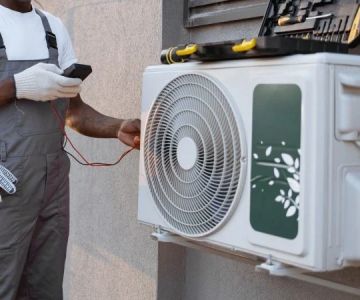
Professional HVAC technicians commonly use electronic leak detectors.
These sensitive tools identify refrigerant gas escaping into the air.
5.2 UV Dye Testing
Technicians may inject UV dye into the refrigerant system.
The dye circulates through the lines and becomes visible under ultraviolet light at the leak location.
5.3 Soap Bubble Testing
For accessible connections and joints, soap bubble solutions can reveal escaping refrigerant through bubbling action.
This method is simple but effective for certain leak locations.
5.4 Pressure Testing
Technicians sometimes isolate sections of the system and apply nitrogen pressure testing to locate leaks precisely.
This approach is especially useful for difficult or hidden leaks.
6. How Refrigerant Leaks Are Fixed
Repair methods depend on the location, size, and severity of the leak.
6.1 Repairing Refrigerant Line Connections
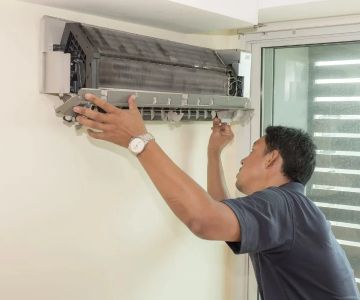
Loose or damaged fittings can sometimes be repaired by tightening or replacing connection points.
Minor repairs may restore normal operation quickly.
6.2 Replacing Damaged Refrigerant Lines
Severely corroded or damaged refrigerant lines may require complete replacement.
Although more expensive, replacing deteriorated lines often provides a long-term solution.
6.3 Evaporator Coil Replacement
Leaking evaporator coils are among the most expensive refrigerant repairs.
In older systems, homeowners sometimes choose full system replacement instead of replacing major components.
6.4 System Recharge
After repairs are completed, technicians recharge the system with the correct refrigerant amount according to manufacturer specifications.
Incorrect refrigerant levels can reduce efficiency and create additional mechanical stress.
6.5 Leak Sealants
Some companies use internal leak sealants for extremely small leaks.
However, many HVAC professionals consider sealants temporary solutions rather than permanent repairs.
7. Dangers of Ignoring a Refrigerant Leak
Some homeowners delay repairs hoping the system will continue functioning temporarily. Unfortunately, refrigerant leaks almost always worsen over time.
7.1 Compressor Failure
The compressor depends on proper refrigerant pressure for cooling and lubrication.
Low refrigerant levels can overheat the compressor, leading to catastrophic failure.
Compressor replacement is often one of the costliest HVAC repairs.
7.2 Reduced System Lifespan
Continuous strain caused by refrigerant loss accelerates wear throughout the HVAC system.
Fans, motors, and electrical components may all experience increased stress.
7.3 Environmental Concerns
Some refrigerants can negatively affect the environment if released into the atmosphere.
This is one reason federal regulations require licensed technicians for refrigerant handling.
7.4 Health Concerns
Although most residential refrigerant leaks are not immediately dangerous in open environments, large leaks in enclosed spaces may create health risks.
Symptoms may include:
- Dizziness
- Headaches
- Nausea
- Breathing discomfort
8. Preventing Future Refrigerant Problems
Preventive HVAC maintenance is the best defense against major refrigerant issues.
8.1 Schedule Annual Inspections
Professional inspections help identify early refrigerant pressure abnormalities before major leaks develop.
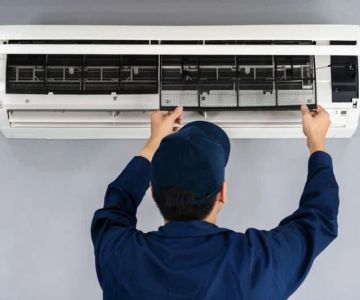
8.2 Replace Air Filters Regularly
Dirty filters restrict airflow and place additional stress on evaporator coils.
Good airflow helps maintain stable operating conditions.
8.3 Keep Outdoor Units Clean
Outdoor condenser units should remain free from debris, vegetation, and dirt buildup.
Restricted airflow can increase system pressure and mechanical strain.
8.4 Monitor Cooling Performance
Homeowners should pay attention to subtle performance changes rather than waiting for total system failure.
Small warning signs often appear months before major refrigerant leaks become severe.
Ac Fix offers valuable information, HVAC maintenance insights, cooling system guidance, and professional resources for homeowners dealing with air conditioning performance problems and refrigerant-related concerns.
9. Real Homeowner Experiences
One Arizona homeowner noticed their AC running continuously during a heat wave while indoor temperatures remained uncomfortable. Initially assuming the issue involved thermostat calibration, they later discovered a slow refrigerant leak that had gradually reduced cooling capacity over several months.
Another homeowner in Florida ignored ice buildup around refrigerant lines because the system still produced cool air occasionally. Eventually, the compressor failed entirely during peak summer temperatures, leading to a significantly more expensive repair bill.
Across homeowner forums and HVAC discussion groups, similar stories appear every summer. The common theme is that refrigerant leak symptoms often start subtly before escalating rapidly.
Many technicians emphasize that early diagnosis almost always saves money compared to waiting until complete system breakdown occurs.
10. Keeping Your HVAC System Efficient
Air conditioner refrigerant leaks are more than simple cooling inconveniences. They affect system efficiency, indoor comfort, energy consumption, and long-term HVAC reliability.
The good news is that most refrigerant problems can be identified early when homeowners understand the warning signs. Weak airflow, frozen coils, rising utility bills, strange noises, and humidity problems should never be ignored.
Modern HVAC systems are designed to operate with stable refrigerant pressure and balanced airflow. When leaks disrupt that balance, performance quickly declines and mechanical stress increases.
Routine maintenance, professional inspections, proper airflow management, and prompt repairs remain the most effective ways to protect cooling systems from expensive damage.
By taking refrigerant leaks seriously and responding quickly to early symptoms, homeowners can extend HVAC lifespan, improve energy efficiency, and maintain reliable indoor comfort even during the hottest summer months.
 Bud's Plumbing & Repair Service4.0 (1965 reviews)
 SEC Heating and Cooling5.0 (23 reviews)
 All Star Heating and Air Conditioning4.0 (66 reviews)
 Quality Plumbing, Heating, Cooling & Electrical4.0 (160 reviews)
 Conditioned Air Systems of Florida0.0 (0 reviews)
 Henry's Auto Care4.0 (143 reviews)
 What to Do When You Need to Fix My AC Immediately
 The Best Ways to Maintain Your Air Conditioner During Summer
 How to Get Your AC Fixed Like a Pro: Expert Tips and Advice
 How Long Should It Take to Fix Air Conditioning? | AC Fix
 How to Fix Your Air Conditioner Without Spending a Fortune
 Avoid These Common Mistakes When Trying to Fix Your Air Conditioner