
- diagnosis-basics - Understanding why frozen coils happen and early warning signs
- quick-fix-steps - How to fix a frozen coil in your air conditioner quickly and safely
- deep-causes - What causes HVAC frozen evaporator coil problems in real homes
- repair-or-call - When DIY stops and professional AC repair becomes necessary
- prevention-guide - Long-term air conditioner maintenance tips to avoid freezing
Why a Frozen AC Coil Is More Common Than Most Homeowners Realize
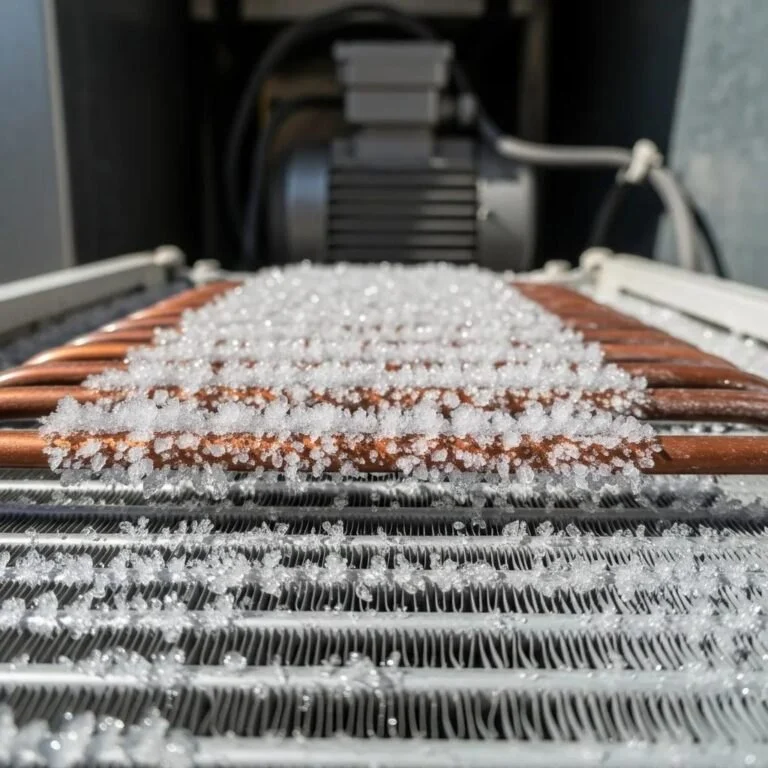
A frozen air conditioner coil is one of those problems that often starts quietly. At first, you may only notice weaker airflow or slightly warmer air from the vents. Then suddenly, your system stops cooling altogether, and when you check the indoor unit, you see ice forming on the evaporator coil. This is the moment most homeowners start searching for a frozen AC coil fix, usually during the hottest days of summer.
The evaporator coil is responsible for absorbing heat from indoor air. When something interrupts normal heat exchange, moisture around the coil begins to freeze. This creates a chain reaction that reduces airflow even further, causing even more ice buildup. Understanding this cycle is the first step in learning how to fix frozen coil problems without causing damage to your system.
In many real-world cases reported by homeowners and technicians, frozen coils are not caused by a single issue but by a combination of airflow restriction, low refrigerant levels, or mechanical failure. A homeowner in Texas once reported their system freezing three times in one month, only to discover that a clogged air filter and a weak blower motor were working together to create the issue.

Air Plus Heating and Cooling LLC
SheffieldColbert CountyAlabama
103 S Montgomery Ave, Sheffield, AL 35660, USA
Early Signs That Your Air Conditioner Coil Is Starting to Freeze
Before a full freeze occurs, your system usually gives subtle warning signals. Recognizing these signs early can save you from expensive repairs and downtime.

Superior Douglasville HVAC Pros
DouglasvilleDouglas CountyGeorgia
1202 Grove Trail Pass, Douglasville, GA 30134, USA
1. Weak Airflow From Vents
If air coming from your vents feels weaker than usual, it often means ice is beginning to restrict airflow inside the system. Many people mistake this for a fan issue, but it is frequently the first stage of coil freezing.
2. Warm Air Instead of Cool Air
When ice covers the coil, it blocks heat exchange. As a result, the air coming into your home may feel room temperature or even slightly warm.
3. Visible Ice on Indoor Unit
In severe cases, ice can be seen on refrigerant lines or inside the air handler. This is a clear signal that immediate action is needed.
4. Water Leaks After Shutdown
Once the system turns off, melting ice may overflow the drain pan, leading to water around the unit. This is often when homeowners realize something has gone wrong.
How to Fix a Frozen Coil in Your Air Conditioner Quickly and Safely
When dealing with a frozen coil, speed matters—but safety matters more. Rushing repairs without understanding the cause can lead to compressor damage or long-term HVAC issues. The steps below outline a safe approach used by many technicians in basic air conditioner coil freezing situations.
Step 1: Turn Off the Cooling Mode Immediately
Switch your thermostat from “cool” to “off” while leaving the fan on. This allows warm air to circulate and helps melt the ice naturally. Avoid using high heat settings or external heat sources.
Step 2: Allow the Ice to Melt Completely
Depending on severity, melting can take several hours. It may be tempting to scrape ice off manually, but that risks damaging the delicate coil fins.
Step 3: Replace or Clean the Air Filter
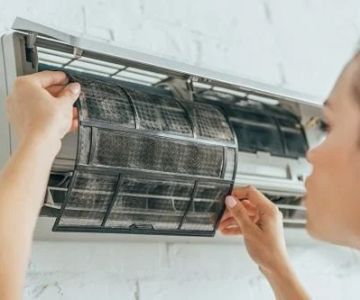
A clogged filter is one of the most common causes of frozen evaporator coil issues. Dirty filters restrict airflow, causing the coil temperature to drop below safe levels.
Step 4: Check Air Vents and Registers
Ensure all vents are open and unobstructed. Closed vents increase pressure imbalance inside the system, which can contribute to freezing.
Step 5: Restart and Monitor the System
Once everything is thawed and airflow is restored, turn the system back on and monitor it closely. If freezing returns quickly, the issue is likely deeper than airflow alone.
In many cases, these steps resolve minor frozen AC coil fix situations. However, recurring freezing usually signals a larger problem requiring professional attention.
What Really Causes a Frozen Evaporator Coil in Real Homes
To properly understand how to fix frozen coil problems, it helps to explore the underlying causes. HVAC systems are sensitive to airflow, pressure, and refrigerant balance.
Restricted Airflow Problems
Dirty filters, blocked ducts, or failing blower motors reduce airflow over the coil. Without enough warm air passing through, condensation freezes instead of evaporating.
Low Refrigerant Levels
Refrigerant leaks reduce pressure inside the system, causing the coil temperature to drop below freezing. This is one of the most common reasons behind HVAC frozen evaporator coil issues.
Dirty Evaporator Coils
Dust buildup acts like insulation, preventing proper heat transfer. Over time, this leads to uneven cooling and ice formation.
Mechanical Failures
Faulty fans, broken sensors, or malfunctioning thermostats can all contribute to freezing cycles. These issues often require diagnostic tools to identify accurately.
A technician working with Ac Fix once shared a case where a simple capacitor failure caused intermittent fan operation, leading to repeated coil freezing over weeks. Once replaced, the system returned to normal instantly.
When to Repair and When to Call a Professional
Not every frozen coil situation can be solved with basic troubleshooting. Knowing when to stop DIY efforts is important for preventing further damage.
Signs You Can Handle It Yourself
If the issue is caused by a dirty filter, blocked vents, or a one-time airflow restriction, basic cleaning and airflow correction are often enough.
Signs You Need Professional AC Repair
If freezing returns within 24–48 hours, or if you suspect refrigerant leakage, electrical issues, or compressor strain, professional diagnosis is required.
Professional technicians use pressure gauges, leak detectors, and airflow meters to pinpoint the exact cause. This level of precision cannot be achieved through visual inspection alone.
Services like Ac Fix are often used by homeowners who want reliable diagnostics and long-term solutions rather than temporary fixes.
Real-Life Example: A Summer Breakdown That Could Have Been Avoided
A homeowner in Florida experienced repeated AC failures during peak summer heat. Initially, they performed basic resets, assuming it was a thermostat issue. However, the system kept freezing every few days.
After inspection, the root cause turned out to be a combination of a partially clogged return duct and a slow refrigerant leak. The system was overworking itself while airflow was restricted, creating ideal conditions for ice formation.
Once both issues were corrected, the system not only stopped freezing but also reduced energy consumption significantly. This case highlights how AC coil freezing is often a symptom rather than the main problem.
How to Prevent Future Air Conditioner Coil Freezing
Prevention is always more cost-effective than emergency repairs. A few consistent habits can significantly reduce the risk of frozen coils.
Maintain Regular Filter Changes
Replacing filters every 30–60 days keeps airflow stable and prevents dust buildup inside the system.
Schedule Seasonal Maintenance
Professional inspections before peak cooling seasons help detect early signs of refrigerant issues or airflow imbalance.
Keep Indoor Vents Open and Clear
Balanced airflow ensures that cold air is distributed evenly, reducing stress on the evaporator coil.
Monitor Cooling Performance
If you notice gradual performance drops, address them early rather than waiting for complete system failure.
Consistent maintenance not only prevents frozen AC coil fix emergencies but also extends the overall lifespan of your HVAC system.
 Shaffer's Heat and Air LLC5.0 (28 reviews)
 Rutland’s Air Conditioning & Refrigeration0.0 (0 reviews)
 United Refrigeration Inc4.0 (14 reviews)
 Cornerstone AC & Heat LLC5.0 (66 reviews)
 Temperature Humidity Air Quality Solutions4.0 (98 reviews)
 AirOne Heating and Air Conditioning4.0 (340 reviews)
 How to Fix Water Leaks in Your Air Conditioner Fast
 How to Fix a Frozen Coil in Your Air Conditioner Quickly and Safely
 Why Your Air Conditioner Isn’t Cooling Properly and How to Repair It
 How to Repair Your Air Conditioner’s Compressor for Optimal Efficiency
 Best Services That AC Fix Near You Today – Fast, Reliable, Local Help
 How to Repair Air Conditioner Issues Without the Help of a Technician