
- - Signs Your Air Conditioner Is Overheating
- - Common Causes of Overheating
- - Electrical Issues and Compressor Overload
- - Refrigerant Levels and Airflow Problems
- - Cleaning and Maintenance Tips
- - Step-by-Step Repair Guide
- - Preventing Future Overheating
- - Real-World AC Overheating Cases
- - When to Call a Professional
- - Using Ac Fix Resources
Signs Your Air Conditioner Is Overheating
Overheating in an air conditioner can go unnoticed until it causes system shutdown or noticeable performance issues. Typical symptoms include unusual hot air blowing from vents, frequent cycling on and off, high-pitched noises, and burning odors. Homeowners may also notice tripped breakers or rising energy bills, which often indicate that the AC is struggling to operate efficiently.
Recognizing these signs early is crucial. Ignoring an overheating unit can result in permanent damage to the compressor and other critical components, ultimately requiring costly repairs or replacement.
Common Causes of Overheating
1. Clogged Air Filters
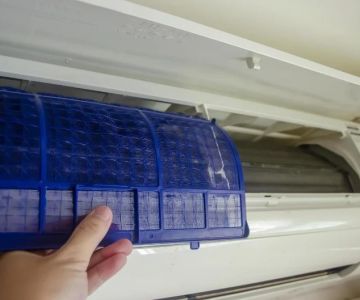
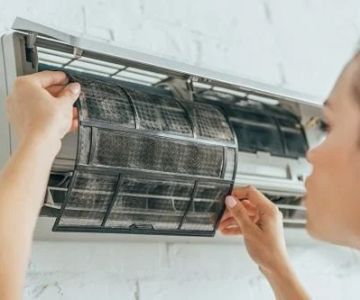
Dirty or clogged air filters reduce airflow, forcing the AC to work harder and generate excessive heat. This is one of the most common causes of overheating.
2. Blocked or Dirty Coils
Evaporator and condenser coils accumulate dust and debris over time. Dirty coils prevent proper heat transfer, causing the system to overheat while cooling performance drops.
3. Restricted Airflow
Obstructions in vents or ductwork, such as closed registers or collapsed flexible ducts, reduce airflow and force the AC to operate under stress.
Electrical Issues and Compressor Overload
Electrical problems such as faulty capacitors, worn-out wiring, or breaker malfunctions can also lead to overheating. The compressor may draw excessive current, generating heat that can damage components and potentially trip the circuit breaker.
Compressor Stress
An overloaded compressor struggles to maintain cooling efficiency. Repeated stress from electrical issues or restricted airflow can lead to early failure.
Signs of Electrical Problems
- Frequent tripping of breakers
- Burning or electrical smells
- Unresponsive thermostat or inconsistent cooling
Refrigerant Levels and Airflow Problems
Low refrigerant levels or leaks reduce the AC’s ability to transfer heat. When combined with airflow issues, the system overheats and may shut down to prevent damage.
Identifying Low Refrigerant
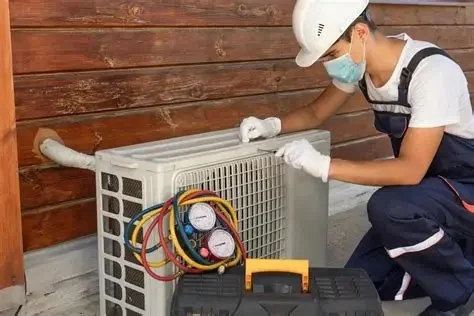
Ice formation on evaporator coils or unusually warm air from vents are key indicators. A professional can use gauges to detect leaks and recharge refrigerant safely.
Airflow Optimization
Ensuring unobstructed airflow by cleaning ducts, vents, and registers is essential to prevent overheating.
Cleaning and Maintenance Tips
Routine maintenance can prevent most overheating issues. Key steps include:
- Replace or clean air filters every 1-3 months.
- Clean condenser and evaporator coils annually.
- Check and clear drain lines to prevent water buildup.
- Inspect ductwork for leaks, kinks, or disconnections.
- Keep outdoor units free of debris and vegetation.
Step-by-Step Repair Guide
For minor overheating issues, a homeowner can perform basic repairs safely:
Step 1: Turn Off the AC
Always disconnect power before any inspection or repair to avoid electrical hazards.
Step 2: Inspect Airflow
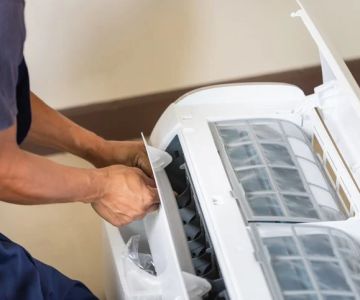
Check filters, vents, and ducts. Clean or replace clogged components and ensure all vents are open.
Step 3: Clean Coils
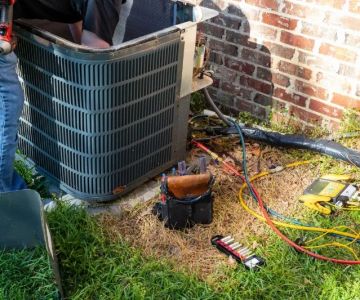
Use a soft brush or coil cleaner to remove debris from evaporator and condenser coils.
Step 4: Check Electrical Components
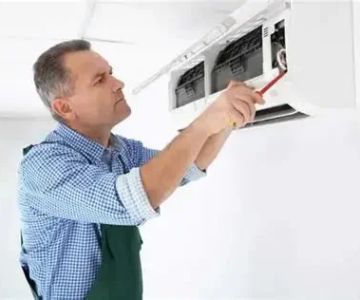
Inspect visible wiring, capacitors, and breakers for damage. Only attempt minor repairs if you have experience; otherwise, call a professional.
Step 5: Test System
Restore power and monitor operation. Ensure airflow is steady and no unusual noises or odors occur.
Preventing Future Overheating
Long-term prevention strategies include:
- Scheduling annual professional AC maintenance
- Replacing old or faulty components proactively
- Installing a programmable thermostat to reduce stress on the system
- Keeping outdoor units shaded and free from debris
- Regularly inspecting ducts and vents
Real-World AC Overheating Cases
Case Study 1: Home in Florida
A Florida homeowner experienced frequent breaker trips and inconsistent cooling. Inspection revealed a clogged filter and dirty condenser coils. After replacing the filter and cleaning the coils, the system operated efficiently without overheating.
Case Study 2: Suburban House in Texas
A homeowner reported warm air from vents despite running the AC continuously. Technicians discovered low refrigerant and partially blocked ducts. Recharging refrigerant and clearing duct obstructions restored cooling performance and eliminated overheating.
When to Call a Professional
Professional intervention is necessary when:
- Electrical issues are suspected
- Refrigerant recharging is required
- Major component replacement is needed
- Persistent overheating continues despite routine maintenance
Certified HVAC technicians have specialized tools to diagnose and repair complex issues, ensuring safety and long-term system efficiency.
Using Ac Fix Resources
Ac Fix provides access to repair guides, replacement parts, maintenance products, and professional services. Homeowners can find detailed instructions, expert recommendations, and reliable contractors for all types of AC repair and maintenance tasks.
By understanding why your air conditioner may be overheating and how to fix it, you can prevent costly repairs, improve home comfort, and extend the lifespan of your system. Regular maintenance, careful inspection, and timely professional assistance are key to keeping your AC running efficiently year-round.
 Creekside LLC5.0 (30 reviews)
 Ultimate Comfort, INC4.0 (10 reviews)
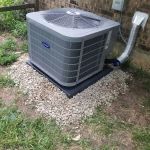 Velocity Heating & Air LLC4.0 (25 reviews)
 Frame Electric & Refrigeration4.0 (4 reviews)
 Emi Heating And Cooling4.0 (12 reviews)
 Pro Automotive4.0 (381 reviews)
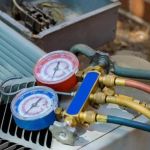 How to Detect and Repair an Air Conditioner that's Leaking Refrigerant
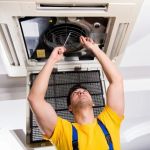 How to Fix an Air Conditioner That Won’t Cool Your Room
 The Ultimate Checklist to Fix Wall Air Conditioner Successfully
 How to Repair an Air Conditioner with a Faulty Expansion Valve
 How to Fix an Air Conditioner with Faulty Temperature Sensors
 How Much Does It Really Cost to Fix Air Conditioning Leak in the U.S.