
How to Detect and Repair an Air Conditioner that's Leaking Refrigerant
- Understanding Refrigerant Leaks in AC Units
- Signs of a Refrigerant Leak
- How to Detect Refrigerant Leaks
- Steps to Repair a Refrigerant Leak
- Preventing Future Refrigerant Leaks
- Real-Life Experiences with AC Refrigerant Leaks
1. Understanding Refrigerant Leaks in AC Units
Refrigerant leaks are one of the most common problems with air conditioning units. Refrigerant is a crucial element in the cooling process, absorbing heat from the air and releasing it outside. When your AC unit is low on refrigerant, it can no longer cool the air efficiently, leading to poor performance and increased energy consumption.
Leaks can happen for various reasons, including wear and tear on the system, corrosion, or damage to the coils. It’s important to address these leaks quickly, as running your AC without enough refrigerant can lead to serious damage to the system, such as compressor failure.

Burgess Heating and Air
Safety HarborPinellas CountyFlorida
976 DR Martin Luther King JR Street North, Safety Harbor, FL 34695, USA
2. Signs of a Refrigerant Leak
Recognizing the signs of a refrigerant leak is essential for fixing the issue early. Here are the most common signs that your air conditioner might have a refrigerant leak:
- Poor Cooling Performance: One of the first signs of a refrigerant leak is that your AC struggles to cool the air. If you notice the temperature in your home isn't dropping as expected, it could be due to low refrigerant levels.
- Ice Formation on the Coils: When refrigerant is low, the coils inside the AC unit can freeze due to the lack of pressure. If you see ice forming on the evaporator coils, it’s a sign of a refrigerant leak.
- Hissing or Bubbling Sounds: A hissing or bubbling noise coming from your air conditioner is a strong indicator of a refrigerant leak. This sound is caused by the refrigerant escaping from the system.
- Increased Energy Bills: If your AC is working harder to cool your home due to a refrigerant leak, it will consume more energy, resulting in higher electricity bills.
If you notice any of these symptoms, it’s important to address the issue promptly to avoid further damage to your air conditioning system.
Northside Heat and Air
North Little RockPulaski CountyArkansas
Splawn Dr, North Little Rock, AR 72118, USA
3. How to Detect Refrigerant Leaks
Detecting a refrigerant leak requires a thorough inspection of your air conditioning unit. Here’s how you can detect a refrigerant leak:
- Visual Inspection: Check for any visible signs of damage to the refrigerant lines or coils. Look for any oily residue around the pipes, which can indicate a refrigerant leak.
- Use of Leak Detection Dye: A UV-reactive dye can be added to the refrigerant system, which will help identify the location of the leak when using a UV light to inspect the system.
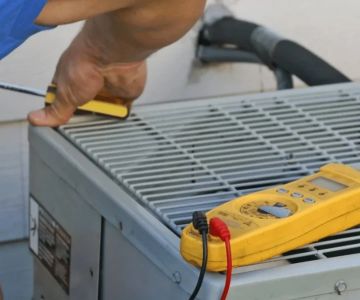
- Electronic Leak Detector: Specialized electronic leak detectors are available that can sense refrigerant gas in the air and pinpoint the location of the leak.
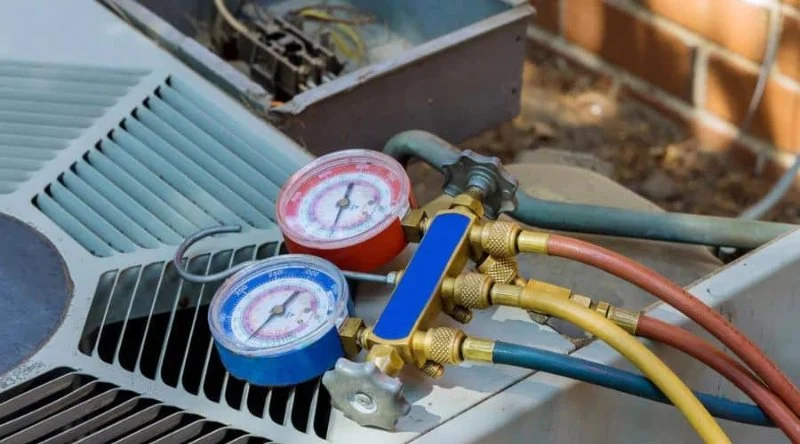
- Pressure Gauge Test: Using a pressure gauge to check the system's refrigerant pressure can help determine if the refrigerant level is low. If the pressure is abnormally low, it’s likely due to a leak.
Using one or more of these methods, you can accurately detect a refrigerant leak. However, for the best results, it’s recommended to hire a professional HVAC technician to perform the inspection.
4. Steps to Repair a Refrigerant Leak
Once a refrigerant leak has been identified, it's important to repair it as soon as possible to restore your AC’s functionality. Here are the steps to repair a refrigerant leak:
- Turn Off the AC: Before beginning any repair, make sure the air conditioning unit is turned off to avoid electrical hazards.
- Locate the Leak: Use a leak detection dye or electronic leak detector to pinpoint the exact location of the leak.
- Fix the Leak: If the leak is minor, it may be patched with a special refrigerant sealant. For larger leaks or damage to the system, the damaged part may need to be replaced (e.g., a cracked coil).
- Recharge the System: After repairing the leak, the refrigerant system needs to be recharged with the proper amount of refrigerant. This step should only be done by a certified technician to ensure the system is properly charged.
- Test the System: Once the leak is repaired and the system is recharged, test the air conditioner to ensure it's cooling efficiently and that the leak is fully sealed.
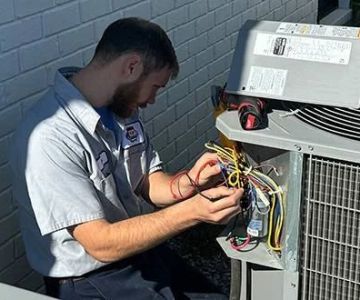
Repairing a refrigerant leak requires technical knowledge and the right tools. If you’re unsure about handling the repair yourself, it’s best to call a professional to avoid causing further damage.
5. Preventing Future Refrigerant Leaks
To prevent future refrigerant leaks, it’s important to maintain your air conditioning system properly. Here are some tips to help:
- Regular Maintenance: Schedule annual maintenance with a professional HVAC technician to check the refrigerant levels and inspect the system for leaks.
- Inspect the Lines and Coils: Regularly inspect the refrigerant lines and coils for signs of wear, corrosion, or damage. Address any issues promptly to prevent leaks.
- Keep the System Clean: Dirt and debris can clog the AC system and cause damage to the components. Make sure to clean the filters and coils regularly to keep the system running smoothly.
By following these preventative measures, you can reduce the chances of refrigerant leaks and prolong the lifespan of your air conditioning system.
6. Real-Life Experiences with AC Refrigerant Leaks
Here are some real-life stories of homeowners dealing with refrigerant leaks in their air conditioning systems:
- Example 1: Mike’s AC Repair Journey Mike noticed that his AC wasn’t cooling as efficiently as before and his energy bills had risen. After hiring a technician, they discovered a small refrigerant leak in the coils. The leak was fixed, and the system was recharged. Mike was impressed by the quick and effective repair, and his AC has been running smoothly ever since.
- Example 2: Sarah’s DIY Repair Attempt Sarah decided to try repairing her AC herself after noticing the refrigerant levels were low. Using a leak detection dye, she pinpointed a small leak in the refrigerant line. After using a sealant, she recharged the system, and the AC worked well for a few months. However, the leak eventually reappeared, and she realized it was best to call in a professional to fix the issue permanently.
These stories highlight how quickly refrigerant leaks can be repaired, but also demonstrate the importance of professional help when dealing with complex issues.


 Harold Floyd Heating & Air, Inc.4.0 (17 reviews)
 New Day Mechanical4.0 (15 reviews)
 Dalton's Air4.0 (187 reviews)
 Grease Monkey4.0 (464 reviews)
 Armor Electrical and Plumbing5.0 (7 reviews)
 Fast Response4.0 (1087 reviews)
 Everything You Need to Know Before You Fix Your Air Conditioning
 How to Fix Your AC on a Budget Without Spending a Fortune
 How Long Should It Take to Fix an Air Conditioning Leak?
 How Much Does It Really Cost to Fix Air Conditioner Near Me? | Ac Fix
 How to Check for Air Leaks in Your Air Conditioner and Fix Them
 How to Maintain Your AC’s Compressor for Long-Term Performance