
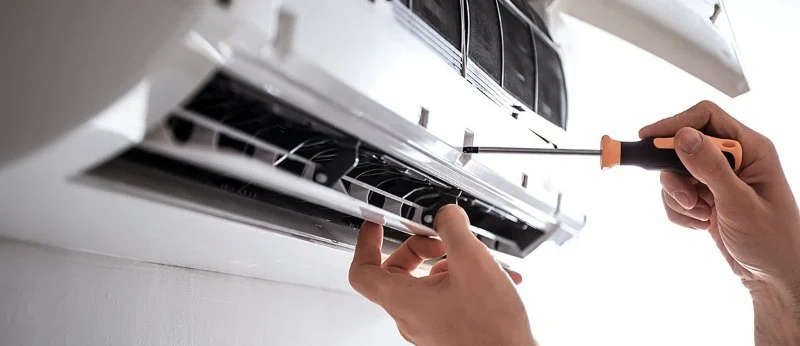
Everything You Need to Know Before You Fix Your Air Conditioning
- Common Air Conditioning Problems
- Basic Troubleshooting for Your AC
- Deciding Whether to DIY or Call a Professional
- When to Replace Your Air Conditioner
- Preventative Maintenance Tips for Your AC
- Get Expert Help with Your AC Repair
Common Air Conditioning Problems
Before diving into any repairs, it’s essential to understand the most common air conditioning issues. Identifying the problem early can save you time and money when fixing your AC. Some of the most frequent AC problems include:
- AC Not Turning On: If your AC is unresponsive, the issue could be a tripped breaker, faulty thermostat, or issues with the wiring.
- Warm Air Blowing: If your AC is blowing warm air, it could be due to a refrigerant leak, a dirty air filter, or a malfunctioning compressor.
- Uneven Cooling: Sometimes, certain rooms are warmer than others. This can be caused by blocked ducts, a failing blower motor, or a thermostat problem.
- Strange Noises: Unusual noises such as grinding, rattling, or squealing may point to loose components, a malfunctioning motor, or debris stuck in the system.
- Water Leaks: Leaking water from your AC unit can be caused by a clogged condensate drain, a frozen evaporator coil, or improper installation.
Recognizing these issues early will allow you to address the problem efficiently and determine whether a simple fix or professional repair is needed.

Basic Troubleshooting for Your AC
If your air conditioning unit isn’t working as expected, there are several basic troubleshooting steps you can take before calling a professional:
- Check the Thermostat: Ensure your thermostat is set to cooling mode and the temperature is lower than the current room temperature. If the thermostat isn’t responsive, try replacing the batteries or recalibrating it.
- Inspect the Air Filter: A dirty air filter can restrict airflow, causing your AC to overheat. Check the filter and replace it if it’s clogged or dirty. It’s a quick fix that can significantly improve your AC’s performance.
- Clear the Drain Line: If your AC unit is leaking water, the drain line may be clogged. Use a wet/dry vacuum or a plumber's snake to clear the blockage.
- Check the Circuit Breaker: If your AC isn’t turning on, check the circuit breaker. If it’s tripped, reset it and see if that resolves the issue. If it trips again, there could be a deeper electrical problem.
- Inspect the Outdoor Unit: Ensure the outdoor condenser unit is clear of debris such as leaves, dirt, or branches. These can block airflow and cause your AC to overheat.
These simple troubleshooting steps can often resolve minor issues without the need for professional repair.

Brite Electric, Air Conditioning & Heating
2036 Sprint Blvd #11, Apopka, FL 32703, USA
Deciding Whether to DIY or Call a Professional
While there are many DIY fixes you can do yourself, certain air conditioning problems require professional expertise. Here’s how to decide whether to attempt a repair yourself or call a licensed HVAC technician:
- DIY Repairs: If the issue is something simple, like replacing an air filter, cleaning the condensate line, or resetting the thermostat, then it’s safe to do it yourself. These tasks require minimal tools and don’t pose a risk to your safety.
- Call a Professional: If the problem involves the refrigerant, electrical components, or complex issues with the compressor, it’s best to contact a professional. Handling refrigerant requires specialized equipment and knowledge, and electrical issues can be dangerous without the proper expertise.
DIY repairs can save money, but when in doubt, it’s better to err on the side of caution and hire a professional to ensure the repair is done correctly and safely.
When to Replace Your Air Conditioner
While regular maintenance and repairs can extend the life of your AC, there comes a time when replacing the unit is more cost-effective than continuing to repair it. Here are some signs that it might be time to replace your air conditioner:
- Frequent Breakdowns: If your AC requires frequent repairs and is no longer functioning efficiently, replacement may be more cost-effective.
- Old Age: Most air conditioning units last 10-15 years. If your system is older and requires extensive repairs, it might be time to invest in a new one.
- Rising Energy Bills: As AC units age, they lose efficiency. If your energy bills are rising despite regular maintenance, a more energy-efficient model could save you money in the long run.
Replacing an old or inefficient air conditioning unit can bring long-term benefits in terms of energy savings and improved comfort.
Preventative Maintenance Tips for Your AC
To prevent major issues and ensure your AC runs smoothly, regular preventative maintenance is key. Here are a few tips:
- Schedule Annual Inspections: Have a professional HVAC technician inspect your AC once a year to catch any issues before they become problems.
- Keep Vents and Registers Clean: Make sure that air vents and registers are unobstructed and clean to allow for optimal airflow.
- Replace Filters Regularly: Change your air filter every 1-3 months, especially during peak cooling seasons, to maintain airflow and efficiency.
By performing regular maintenance, you can keep your AC in good condition and avoid costly repairs.
Get Expert Help with Your AC Repair
If you’re facing issues with your air conditioning system or need help with a repair, don’t hesitate to reach out to the experts at Ac Fix. Our team of professionals can diagnose the problem, perform the necessary repairs, and ensure your AC is running at peak efficiency. Whether you're looking for advice or need urgent repairs, we’ve got you covered!
 Cornerstone AC & Heating4.0 (15 reviews)
 TemperaturePro Charleston4.0 (334 reviews)
 Pioneer Heating & Air Services5.0 (11 reviews)
 Adas Auto Repair & Towing4.0 (65 reviews)
 A/C Doctors Inc.4.0 (470 reviews)
 SERVPRO of Alexandria4.0 (42 reviews)
 Fastest Way to Fix AC Unit Without Getting Overcharged in the US
 How Long Should It Take to Fix an Air Conditioning Leak?
 Top Ways to Fix Your AC Quickly and Affordably in Your Area
 How to Fix Air Conditioners Without Spending a Fortune
 Best Practices for a Successful and Affordable AC Fix
 Where to Fix Air Conditioning in Emergency Situations: Quick Solutions