
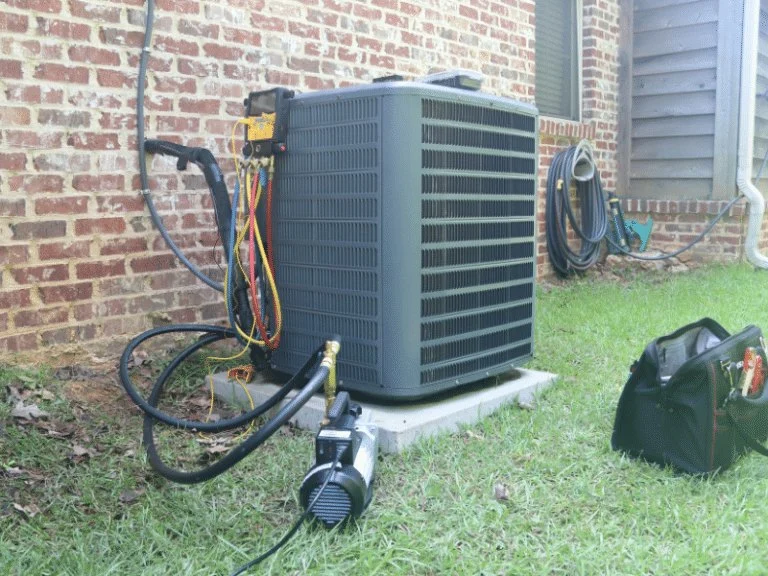
- -Understanding the Role of the Expansion Valve in an Air Conditioner
- -Common Symptoms of a Faulty Expansion Valve
- -How to Troubleshoot a Faulty Expansion Valve
- -Step-by-Step Guide to Repairing a Faulty Expansion Valve
- -When to Call a Professional HVAC Technician
- -Preventing Future Expansion Valve Issues
1. Understanding the Role of the Expansion Valve in an Air Conditioner
The expansion valve is a vital component in your air conditioning system. It regulates the flow of refrigerant into the evaporator coil, allowing the refrigerant to expand and absorb heat from the air inside your home. When functioning correctly, it helps maintain proper cooling performance.
Memphis Heating & Air Conditioning Services
6060 Primacy Pkwy, Memphis, TN 38119, USA
1.1 How the Expansion Valve Works
The expansion valve controls the amount of refrigerant that enters the evaporator coil. As the refrigerant passes through the valve, it undergoes a pressure drop, which causes it to expand and cool down. This cooled refrigerant then absorbs heat from the air, lowering the temperature inside the room.

1.2 Importance of a Well-Functioning Expansion Valve
A well-functioning expansion valve is crucial for the efficient operation of your air conditioner. If the valve is malfunctioning, it can lead to poor cooling, higher energy consumption, and potential damage to other components of your AC system.
2. Common Symptoms of a Faulty Expansion Valve
If the expansion valve in your air conditioner is faulty, it can cause several noticeable issues. Here are the common symptoms to watch for:
2.1 Reduced Cooling Performance
If you notice that your air conditioner isn’t cooling as effectively as it should, a faulty expansion valve could be the cause. Without proper refrigerant flow, the evaporator coil may not be able to absorb heat effectively, resulting in reduced cooling output.
2.2 Frost or Ice Build-Up on the Evaporator Coil
Another common symptom of a faulty expansion valve is frost or ice buildup on the evaporator coil. This occurs because the valve is not properly regulating refrigerant flow, causing the coil to get too cold and freeze. This can block airflow and reduce the efficiency of your AC.
2.2.1 Ice Around the Expansion Valve
You may also notice ice directly around the expansion valve itself, which can lead to more severe blockages and even system failure if not addressed promptly.
2.3 Unusual Noises or Leaks
A malfunctioning expansion valve can cause unusual noises, such as hissing or buzzing, as refrigerant flow is disrupted. Additionally, refrigerant leaks may occur if the valve becomes damaged or stuck in one position.
3. How to Troubleshoot a Faulty Expansion Valve
If you suspect that your expansion valve is faulty, the first step is troubleshooting. Here’s how you can identify if the valve is the issue.
3.1 Check the Temperature Difference Across the Evaporator Coil
One of the first troubleshooting steps is to measure the temperature difference between the inlet and outlet of the evaporator coil. If the temperature difference is too small or inconsistent, it indicates that the expansion valve may not be regulating refrigerant flow properly.
3.2 Inspect the Valve for Physical Damage
Inspect the expansion valve for any visible signs of damage, such as cracks, leaks, or buildup of ice. Physical damage can impair the valve’s performance and may require replacement.
3.2.1 Listen for Unusual Sounds
Listen for any hissing, buzzing, or rattling sounds near the expansion valve. These noises often indicate that the valve is malfunctioning or clogged with debris.
3.3 Check the Refrigerant Pressure
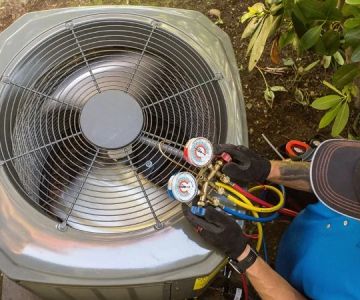
Check the refrigerant pressure in the system using gauges. If the pressure is too high or too low, it could suggest a problem with the expansion valve regulating the refrigerant flow.
4. Step-by-Step Guide to Repairing a Faulty Expansion Valve
If you've diagnosed a faulty expansion valve, follow these steps to repair or replace it. Keep in mind that this process may require specialized tools and knowledge, so consider consulting a professional if you’re unsure.
4.1 Turn Off the Power and Shut Off the Refrigerant Supply
Before working on your air conditioning system, always turn off the power and shut off the refrigerant supply to avoid electrical shock and refrigerant leaks.
4.2 Remove the Old Expansion Valve
Next, locate the expansion valve, which is typically located near the evaporator coil. You may need to remove the access panel or ductwork to reach it. Use a wrench to remove the valve and disconnect any refrigerant lines attached to it.
4.2.1 Discharge the Refrigerant Properly
It’s important to safely discharge the refrigerant from the system according to local regulations. Never vent refrigerant into the atmosphere; always use a recovery machine to remove it.
4.3 Install the New Expansion Valve
Install the new expansion valve by following the manufacturer’s instructions. Ensure that it’s securely connected and that all fittings are tight to prevent leaks.
4.4 Recharge the System with Refrigerant
Once the new expansion valve is installed, recharge the system with refrigerant. Use the correct type and amount of refrigerant as specified by the manufacturer.
4.4.1 Test the System
Turn the power back on and test the system for proper cooling. Monitor the refrigerant pressure and check for any unusual sounds or signs of leaks. If the system is functioning properly, you’ve successfully repaired the expansion valve.
5. When to Call a Professional HVAC Technician
If you're unsure about handling the repair yourself, or if you encounter any issues during the troubleshooting process, it’s best to call a professional HVAC technician.
5.1 Complex Repairs Require Expertise
Replacing an expansion valve involves handling refrigerant and potentially opening the refrigerant lines, which require specific tools and training. An HVAC technician can ensure that the repair is done correctly and safely.
5.2 Avoid Further Damage
Attempting to repair complex AC problems without the proper knowledge can lead to further damage or costly mistakes. It’s always a good idea to consult a professional when dealing with HVAC systems.
5.2.1 Get a Professional Assessment
A technician can accurately diagnose and fix the problem while ensuring that your air conditioner operates at its best.
6. Preventing Future Expansion Valve Issues
To prevent future expansion valve problems, it’s important to regularly maintain your air conditioning system. Here are a few preventive tips:
6.1 Regular Inspections
Have your HVAC system inspected annually by a professional. Regular inspections can catch small issues before they become bigger problems, including issues with the expansion valve.
6.2 Keep the System Clean
Ensure that your system is free from dust and debris, which can clog the expansion valve and other components. Clean filters and coils regularly to maintain optimal system performance.
6.2.1 Monitor Refrigerant Levels
Monitor refrigerant levels and pressure to ensure they stay within the recommended range. Low or high refrigerant levels can put unnecessary stress on the expansion valve, leading to premature failure.
Repairing a faulty expansion valve in your air conditioner is a straightforward process if approached with the right tools and knowledge. By following the steps outlined above, you can restore your AC to peak performance. For the best products and services for HVAC repairs, visit Ac Fix today.

 Cooler-Tek5.0 (5 reviews)
 Horace Carroll Heating & Air LLC5.0 (20 reviews)
 Advanced Air Home Services4.0 (85 reviews)
 Wehby Heating and Cooling3.0 (20 reviews)
 Jolly Brothers Services5.0 (108 reviews)
 Holiday Beach Mechanical, Inc.4.0 (271 reviews)
 The Ultimate Checklist for Fixing Air Conditioning Successfully
 What to Do When You Need to Where to Get My AC Fixed Immediately
 How to Fix an Air Conditioner That’s Not Turning On After a Power Outage
 Best Practices for a Successful and Affordable AC Fix
 How Much Does It Really Cost to Fix Air Conditioning Leak in the U.S.
 How to Avoid Common Mistakes When Trying to Fix an Air Conditioning Leak