
- #Understanding-How-AC-Fans-and-Motors-Work
- #Warning-Signs-That-Your-AC-Fan-or-Motor-Needs-Attention
- #Common-Causes-of-Fan-and-Motor-Failures
- #Essential-Safety-Steps-Before-Starting-Repairs
- #Diagnosing-AC-Fan-and-Motor-Problems
- #Repairing-a-Non-Spinning-AC-Fan
- #Replacing-a-Faulty-Fan-Motor
- #When-a-Capacitor-Is-the-Real-Problem
- #Real-Homeowner-Repair-Story
- #Preventive-Maintenance-for-Long-Term-Performance
- #Professional-Repair-vs-DIY-Decisions
- #Expert-Recommendations-from-Ac-Fix
1. Understanding How AC Fans and Motors Work
Air conditioning systems are often taken for granted until something stops working. One of the most important yet overlooked components is the fan motor. Whether you have a central air conditioning system, a heat pump, or a packaged HVAC unit, the fan motor plays a critical role in maintaining proper airflow and cooling efficiency.
Before diving into AC fan and motor repair, it is important to understand what these components actually do.
1.1 The Indoor Blower Motor
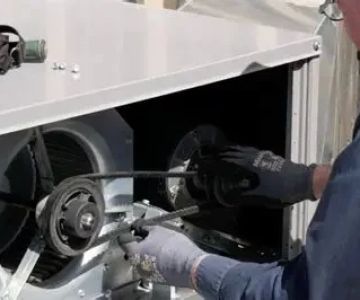
The indoor blower motor is responsible for moving cooled air through your home's ductwork. Once the evaporator coil cools the air, the blower motor pushes it into every room. If this motor fails, your system may still produce cold air, but the air will never reach the living spaces effectively.

1.2 The Outdoor Condenser Fan Motor
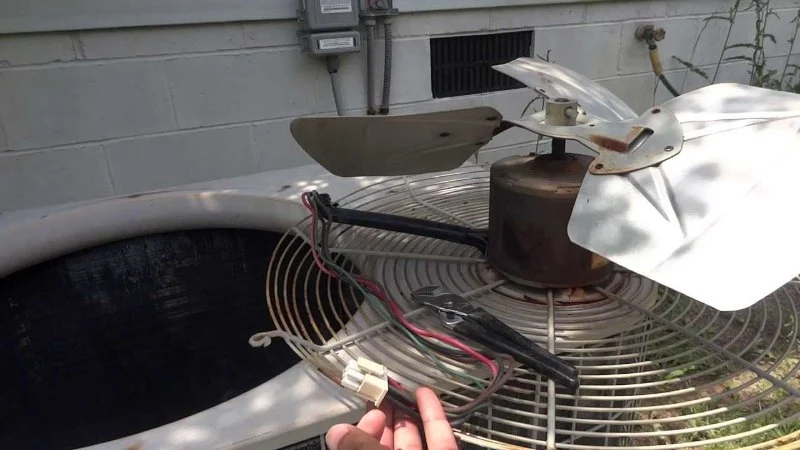
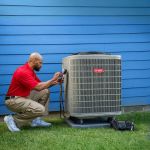
The outdoor condenser fan motor removes heat from the refrigerant. It works alongside the compressor and condenser coil to release heat outside. If this fan stops spinning, the entire cooling cycle can become compromised.
1.3 Why Both Components Matter
Many homeowners focus only on the thermostat or compressor when troubleshooting cooling problems. However, a faulty fan motor can reduce efficiency, increase energy costs, shorten equipment lifespan, and eventually lead to compressor failure, one of the most expensive HVAC repairs.
2. Warning Signs That Your AC Fan or Motor Needs Attention
Most fan motor failures do not happen overnight. They usually provide warning signs that become more obvious over time.
2.1 Weak Airflow Throughout the Home
If your vents are producing less airflow than usual, the blower motor may be struggling. Reduced airflow often appears gradually, making it easy to overlook during the early stages.
2.2 Strange Noises
A healthy fan motor should operate quietly. Unusual sounds often indicate trouble.
Common Noises Include:
1. Grinding noises caused by worn bearings.
2. Humming sounds associated with electrical problems.
3. Screeching noises resulting from lack of lubrication.
4. Rattling caused by loose mounting hardware.
2.3 Fan Blades Not Spinning
One of the most obvious signs of a problem is a fan that refuses to spin. In some cases, the motor has failed completely. In others, a capacitor or electrical connection may be responsible.
2.4 Higher Utility Bills
A failing motor often works harder than normal, consuming more electricity. Homeowners frequently notice increased energy bills before identifying the underlying issue.
2.5 Frequent System Shutdowns
Modern HVAC systems include safety features that shut the system down when temperatures rise too high. A malfunctioning fan motor can trigger these protections repeatedly.
3. Common Causes of Fan and Motor Failures
Understanding why motors fail can help homeowners prevent future problems.
3.1 Dirt and Debris Accumulation
Outdoor units constantly face dust, leaves, grass clippings, and other debris. Over time, buildup restricts airflow and forces the motor to work harder.
3.2 Lack of Routine Maintenance
Many HVAC failures stem from neglected maintenance. Dirty coils, clogged filters, and ignored inspections contribute significantly to motor stress.
3.3 Electrical Issues
Voltage fluctuations, damaged wiring, and loose electrical connections can shorten motor lifespan dramatically.
3.4 Aging Components
Even the best fan motors eventually wear out. Most quality motors last between 10 and 20 years depending on usage patterns and maintenance history.
3.5 Extreme Weather Conditions
In many parts of the United States, summer temperatures can exceed 100°F. Extended operation during heat waves places tremendous strain on fan motors.
4. Essential Safety Steps Before Starting Repairs
Safety should always come first when performing AC fan and motor repair.
4.1 Disconnect Electrical Power
Always turn off power at both the thermostat and circuit breaker before opening any HVAC equipment.
4.2 Verify Power Is Off
Use a voltage tester to confirm that electricity is no longer reaching the unit.
4.3 Wear Protective Equipment
Safety glasses and insulated gloves provide essential protection during repair work.
4.4 Be Careful Around Capacitors
Capacitors can store electrical energy even after power has been disconnected. Proper discharge procedures are essential before handling them.
5. Diagnosing AC Fan and Motor Problems
Accurate diagnosis saves both time and money.
5.1 Visual Inspection
Begin with a careful visual examination.
Look For:
1. Burned wires.
2. Melted insulation.
3. Corrosion.
4. Damaged fan blades.
5. Oil leaks around the motor housing.
5.2 Manual Fan Blade Test
After disconnecting power, gently spin the fan blade by hand.
If the blade moves freely, the bearings may still be functional. If resistance is present, bearing failure may be the cause.
5.3 Capacitor Testing
Many apparent motor failures are actually capacitor failures. Testing capacitance can quickly determine whether replacement is necessary.
5.4 Electrical Continuity Checks
A multimeter allows technicians and experienced DIY homeowners to evaluate winding continuity and identify electrical faults.
6. Repairing a Non-Spinning AC Fan
A fan that refuses to spin is one of the most common service calls during summer.
6.1 Clean the Fan Assembly
Dust and debris can interfere with normal operation. Thorough cleaning often restores performance.
6.2 Tighten Loose Components
Loose mounting bolts, fan blades, and brackets may create operational issues that resemble motor failure.
6.3 Check Fan Blade Alignment
Bent or misaligned blades create excessive strain on the motor. Straightening or replacing damaged blades can improve performance.
6.4 Verify Electrical Connections
Loose wiring frequently causes intermittent operation. Inspect all terminals and connectors carefully.
7. Replacing a Faulty Fan Motor
When repair is no longer practical, replacement becomes necessary.
7.1 Choosing the Correct Replacement
The replacement motor must match:
Critical Specifications:
1. Voltage.
2. Horsepower.
3. RPM rating.
4. Shaft size.
5. Rotation direction.
7.2 Removing the Old Motor
Carefully disconnect wiring, remove mounting hardware, and separate the motor from the fan assembly.
7.3 Installing the New Unit
Follow manufacturer instructions closely and verify all electrical connections before restoring power.
7.4 Final Testing
Once installation is complete, operate the system through multiple cooling cycles to verify proper performance.
8. When a Capacitor Is the Real Problem
Many homeowners replace motors unnecessarily when the capacitor is actually at fault.
A failed capacitor often produces symptoms such as:
1. Humming sounds.
2. Slow fan startup.
3. Intermittent operation.
4. Fan blades that require manual assistance to begin spinning.
Because capacitors are significantly less expensive than motors, checking them first is a smart troubleshooting step.
9. Real Homeowner Repair Story
During a severe heat wave in Arizona, homeowner Mark noticed that his house remained warm despite the thermostat being set to 72°F. The outdoor condenser unit produced a humming sound, but the fan blades remained stationary.
Initially, Mark assumed the entire air conditioner had failed. After researching AC fan and motor repair techniques, he inspected the unit and discovered a swollen capacitor. After safely replacing the capacitor, the fan immediately returned to normal operation.
The repair cost less than $40 in parts and prevented an emergency service visit during one of the busiest weeks of the year.
While not every repair is this straightforward, the experience demonstrates why proper diagnosis matters.
10. Preventive Maintenance for Long-Term Performance
Preventive maintenance remains the most effective strategy for avoiding costly fan motor failures.
10.1 Replace Air Filters Regularly
Dirty filters restrict airflow and increase blower motor workload.
10.2 Keep Outdoor Units Clean
Remove vegetation, leaves, and debris from around condenser units.
10.3 Schedule Annual Inspections
Professional HVAC inspections can identify minor issues before they become major repairs.
10.4 Monitor System Performance
Pay attention to unusual noises, airflow changes, and temperature inconsistencies.
10.5 Address Small Problems Early
Ignoring minor symptoms often leads to significantly larger repair bills later.
11. Professional Repair vs. DIY Decisions
Many homeowners enjoy handling basic maintenance and simple repairs. However, some situations require professional expertise.
11.1 Suitable DIY Tasks
Cleaning fan blades, replacing filters, tightening accessible hardware, and inspecting visible wiring are generally manageable for homeowners.
11.2 When to Call Professionals
Complex electrical problems, compressor-related issues, refrigerant concerns, and complete motor replacements often benefit from professional assistance.
Attempting advanced repairs without proper knowledge can create safety risks and potentially damage expensive HVAC equipment.
12. Expert Recommendations from Ac Fix
Industry professionals consistently emphasize that successful AC fan and motor repair begins with accurate diagnosis. Replacing parts without identifying the root cause often wastes time and money.
At Ac Fix, technicians frequently encounter situations where a simple capacitor replacement, cleaning procedure, or wiring repair resolves issues that homeowners initially believed required complete system replacement.
For homeowners looking to maximize system lifespan, improve energy efficiency, and maintain reliable indoor comfort, routine maintenance should be treated as an investment rather than an expense.
Whether you are dealing with a noisy condenser fan, weak airflow from indoor vents, or a completely non-functional motor, understanding the repair process gives you greater confidence when making decisions. Combining preventive care, accurate troubleshooting, and professional guidance when needed can keep an air conditioning system operating efficiently for many years while avoiding unnecessary repair costs.
 Integrity Plumbing Heating3.0 (3 reviews)
 Tri City Auto Service4.0 (153 reviews)
 Gault Electric LLC4.0 (1282 reviews)
 Walmart HVAC Services0.0 (0 reviews)
 Performance Heating and Air LLC5.0 (146 reviews)
 Tailored Comfort5.0 (3 reviews)
 Experts Explain How to Get Your AC Fixed Like a Pro
 How to Fix an Air Conditioner with a Faulty Control Board
 Complete Guide: Fixing Air Conditioning for Homeowners in 2025
 How Long Should It Take to Fix Air Conditioning? Understanding the Repair Process
 The Best Ways to Maintain Your Air Conditioner During Summer
 Why Your Air Conditioner Is Cycling Too Much and How to Fix It