
 <<<
<<<- 1- Common Air Conditioning Problems
- 2- Step-by-Step Guide to Fixing Air Conditioning
- 3- Preventive Maintenance Tips for AC
- 4- When to Call a Professional for AC Repair
- 5- Tips for Maximizing Your AC Efficiency
1- Common Air Conditioning Problems
Air conditioning systems are a must-have for most homeowners, especially during the summer months. However, like any other appliance, AC units can experience issues that affect their performance. Some of the most common air conditioning problems homeowners face include:
- Clogged Air Filters: Over time, air filters become clogged with dust, dirt, and debris, reducing airflow and causing the unit to overheat.
- Refrigerant Leaks: Low refrigerant levels can lead to poor cooling performance, and if the leak isn’t fixed, it can cause permanent damage to the compressor.
- Frozen Coils: Ice build-up on the evaporator coils can prevent the system from absorbing heat, causing your AC to blow warm air.
- Faulty Thermostat: A malfunctioning thermostat can result in inaccurate temperature readings, causing your air conditioner to turn off or not cool effectively.
- Drainage Issues: A clogged condensate drain can lead to water damage and increase humidity levels in your home.
2- Step-by-Step Guide to Fixing Air Conditioning
When your air conditioning system breaks down, there are several DIY fixes you can try before calling a professional. Here is a step-by-step guide to fixing common AC problems:
- Step 1 - Turn Off Power: Before starting any repairs, always ensure that the power to the AC unit is turned off to avoid electrical shock.
- Step 2 - Check the Air Filter: If your air filter is clogged, replace it with a new one. Clean filters allow for better airflow and improved efficiency.
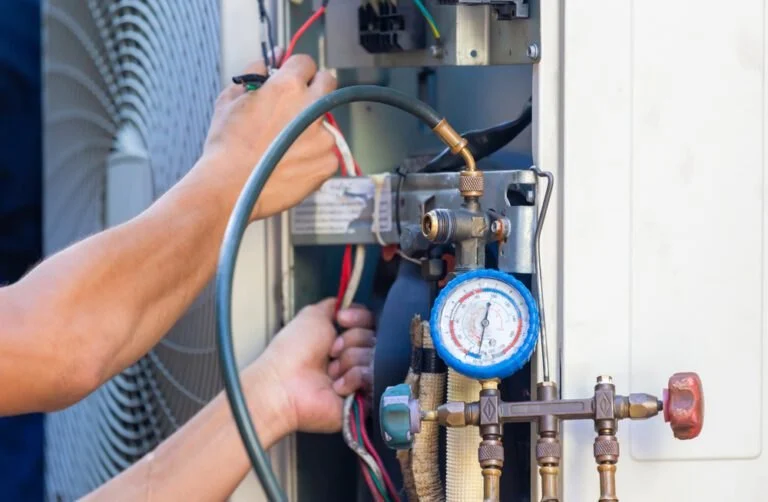
- Step 3 - Inspect the Refrigerant Levels: If you suspect a refrigerant leak, inspect the coils for any visible signs of damage or frost. In this case, it’s best to call a professional to recharge the system.
- Step 4 - Defrost the Coils: If you notice ice buildup on the coils, turn off the system and allow it to thaw completely. Once thawed, check the airflow and clear any obstructions.
- Step 5 - Check the Thermostat: Test the thermostat settings to ensure it is reading the temperature correctly. If the unit is not responding properly, consider replacing the thermostat.
- Step 6 - Unclog the Drain: Use a wet/dry vacuum to clean out the condensate drain. A clean drain ensures that moisture is properly removed, preventing water damage.
3- Preventive Maintenance Tips for AC
Preventive maintenance is key to extending the life of your air conditioning unit and ensuring it runs efficiently. Regular maintenance can help you avoid costly repairs and improve the air quality in your home. Here are some tips to keep your AC in good shape:
- Change Air Filters Regularly: Replace your air filters every 1–3 months, especially during peak usage seasons, to maintain airflow and efficiency.
- Clean the Coils: Clean the evaporator and condenser coils annually to remove dust and debris that may impact performance.
- Check Refrigerant Levels: Ensure that the refrigerant levels are adequate. Low refrigerant levels can reduce cooling performance and strain the system.
- Schedule Annual Professional Inspections: A licensed HVAC technician can perform a comprehensive inspection and tune-up to ensure your AC runs smoothly.
4- When to Call a Professional for AC Repair
While some AC repairs can be done by homeowners, there are situations where it's best to call in a professional HVAC technician. Here are some signs that it's time to seek expert help:
- Refrigerant Leaks: Handling refrigerant requires special tools and knowledge. If you suspect a refrigerant leak, a professional technician should handle the repair.
- Electrical Issues: If you notice electrical problems such as tripped breakers or a malfunctioning thermostat, it’s important to have a technician assess the system.
- System Not Turning On: If your AC isn’t turning on despite following basic troubleshooting steps, a technician can diagnose the electrical or mechanical issue.
5- Tips for Maximizing Your AC Efficiency
To ensure that your air conditioning system works efficiently throughout the year, follow these helpful tips:
- Optimize Thermostat Settings: Set your thermostat to a higher temperature when you're not home. Programmable thermostats can help automate this process.
- Use Ceiling Fans: Ceiling fans can help circulate cool air, making it feel cooler even when your thermostat is set higher.
- Seal Leaks and Gaps: Ensure that windows and doors are properly sealed to prevent cool air from escaping and warm air from entering.
- Keep Vents Clean: Make sure that your vents are clean and free from obstructions to ensure proper airflow.
By following these tips and keeping up with regular maintenance, you can ensure that your air conditioning system operates at peak performance. For more expert advice and product recommendations, visit Ac Fix.

 Iron City Heating and Air, Inc4.0 (38 reviews)
 Charlie's Heating & Air5.0 (2 reviews)
 Home Services at The Home Depot4.0 (9 reviews)
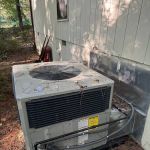 Langley Heating and Air, Inc. Wake Forest, NC.5.0 (259 reviews)
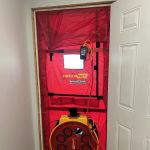 Twin Enterprise HVAC Division0.0 (0 reviews)
 SOS Air Conditioning, Heating & Electrical5.0 (29 reviews)
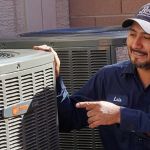 Complete Guide: Fix AC Unit for Homeowners in 2025
 What to Do When You Need to Fix Air Conditioning Immediately | Ac Fix
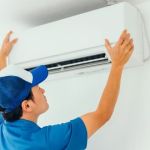 Best Air Conditioner Repair Services Near You Today | AC Fix
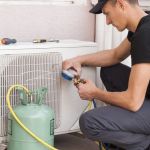 Can You Fix an AC Condenser Without Replacing the Entire System? Insights and Solutions
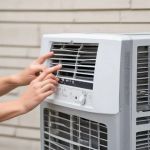 How Long Should It Take to Fix an Air Conditioner? Time Expectations and Common Issues
 How to Fix Your AC Without Spending a Fortune: Expert Tips & DIY Solutions