

- understanding-low-coolant-air-conditioner - basic concept of refrigerant system issues
- signs-of-refrigerant-leak - how to detect early warning symptoms
- why-coolant-drops-over-time - causes behind AC coolant loss
- how-to-diagnose-ac-cooling-problems - step-by-step troubleshooting approach
- fixing-and-prevention-tips - safe repair guidance and long-term care
Understanding Low Coolant in an Air Conditioner System
When an air conditioner starts struggling during hot American summers, one of the most overlooked issues is low coolant in your air conditioning system. Despite how it sounds, an AC does not “use up” coolant like fuel. Instead, it circulates refrigerant in a closed loop system. If levels drop, it almost always signals a leak or system inefficiency rather than normal consumption.
Think of refrigerant as the lifeblood of cooling. Without enough of it, heat exchange becomes weak, airflow feels warm, and energy bills quietly climb. Many homeowners mistake this issue for a dirty filter or weak compressor, delaying proper repairs until the system becomes inefficient or even damaged.

How the Cooling Cycle Depends on Refrigerant Balance
Your air conditioner works through a continuous cycle: absorbing heat indoors and releasing it outside. The refrigerant is the medium that carries this heat. When levels are correct, the system maintains steady pressure and temperature balance.
However, when low coolant in air conditioner systems occurs, pressure drops and the heat transfer process becomes unstable. The evaporator coil may freeze, airflow may weaken, and the compressor may overwork itself trying to compensate.
A technician once compared this situation to “trying to cool a house with half a heartbeat”—the system is running, but not effectively.
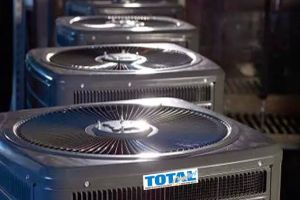
Coleman Service Group LLC
HarrisburgCabarrus CountyNorth Carolina
5662 State Hwy 49, Harrisburg, NC 28075, USA
Common Signs Your AC Has Low Coolant
Before an AC stops working completely, it usually shows warning signs. Recognizing these early can save expensive repairs.
1. Warm Air Instead of Cool Air
One of the earliest signs of refrigerant issues is air that feels slightly cool but never truly cold. Homeowners often increase thermostat settings, unaware the problem is not temperature control but refrigerant imbalance.
2. Ice Buildup on the Indoor Unit
When coolant levels drop, pressure changes cause condensation to freeze on coils. This ice blocks airflow and worsens cooling efficiency.
3. Hissing or Bubbling Sounds
These sounds often indicate refrigerant escaping through small leaks in the system. Even minor leaks can cause long-term performance issues if ignored.
4. Rising Electricity Bills
A struggling AC consumes more power. Many homeowners only realize something is wrong after receiving unusually high utility bills during peak summer months.
Why Air Conditioners Lose Coolant Over Time
A properly installed AC system should not lose refrigerant under normal conditions. So when low coolant air conditioner problems appear, there is always an underlying reason.
Small Leaks in Coils or Connections
Metal fatigue, vibration, and corrosion can slowly create tiny leaks in evaporator or condenser coils. These leaks are often invisible without professional tools.
Factory Installation Issues
In some cases, poorly tightened fittings or weak joints from installation may cause gradual refrigerant loss over months or years.
Wear and Tear Over Time
Older HVAC systems naturally experience deterioration. Rubber seals dry out, and metal components expand and contract with temperature changes.
Real-Life Case: A Summer Breakdown in Texas
A homeowner in Houston once reported that their AC was “running all day but barely cooling the house.” Initially, they assumed the system was outdated. After inspection, a technician discovered a slow refrigerant leak near the evaporator coil.
What made the situation worse was delay. For weeks, the system kept running under stress, eventually damaging the compressor. A simple refrigerant repair turned into a full system component replacement.
This is a common scenario that highlights why early detection of low coolant in air conditioner systems is critical.
How to Diagnose Cooling Problems Safely
While full refrigerant repair requires a licensed HVAC technician, homeowners can still perform basic checks to understand the severity of the issue.
Check Airflow Strength
Weak airflow combined with warm air often suggests internal cooling inefficiency rather than thermostat issues.
Inspect for Ice or Frost
If you notice ice buildup on refrigerant lines or indoor coils, turn off the system immediately to prevent damage.
Listen for Unusual Sounds
Any hissing, bubbling, or clicking noises from the outdoor unit may indicate system stress or leakage.
Professional Repair and Why It Matters
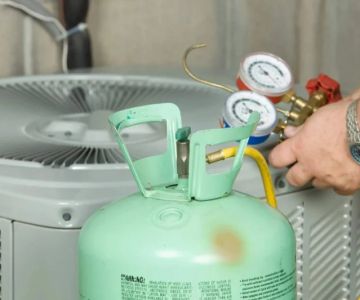
Fixing refrigerant issues is not simply about adding coolant. HVAC systems require precise pressure calibration. Adding refrigerant without fixing leaks only temporarily masks the problem.
Professional technicians use specialized tools such as leak detectors, pressure gauges, and thermal imaging to identify exact failure points. Once repaired, the system is recharged to manufacturer specifications.
For homeowners looking for reliable service guidance or HVAC maintenance solutions, platforms like Ac Fix can help connect you with appropriate repair options and system care resources tailored to your needs.
How to Prevent Future Refrigerant Issues
Preventing coolant loss is more effective than repairing it. Regular maintenance ensures long-term cooling efficiency and reduces energy waste.
Schedule Annual HVAC Inspections
Routine checks help detect minor leaks before they escalate into major failures. Early detection is key to system longevity.
Keep Outdoor Unit Clean
Dirt, leaves, and debris can stress the system and indirectly contribute to wear on cooling components.
Avoid DIY Refrigerant Handling
Refrigerant is not a consumer-level maintenance item. Improper handling can damage equipment and violate safety regulations.
Energy Efficiency and Long-Term System Health
A well-maintained air conditioner not only cools better but also consumes significantly less electricity. When refrigerant levels are stable, the system operates at optimal pressure, reducing strain on the compressor.
Over time, this translates into lower utility bills, fewer repairs, and longer equipment lifespan. Many homeowners underestimate how much performance depends on something as simple as correct refrigerant balance.
Understanding the Bigger Picture of AC Performance
Low coolant issues are rarely isolated problems. They often signal broader maintenance needs within the HVAC system. Filters, coils, airflow paths, and electrical components all work together. If one part fails, overall performance drops.
That is why addressing cooling problems early is not just about comfort—it is about protecting a significant home investment.
 Gist Service Company3.0 (16 reviews)
 Always Honest Air5.0 (115 reviews)
 JBE Services, LLC5.0 (104 reviews)
 AirSol Air Conditioning and Heating5.0 (49 reviews)
 Manny and Son Air Conditioning & Heating LLC5.0 (25 reviews)
 A/C JOE5.0 (27 reviews)
 Troubleshooting an Air Conditioner with a Faulty Control Board – A Step-by-Step Guide
 What to Do When You Need to Fix Your Air Conditioner Immediately
 How to Repair an Air Conditioner with a Faulty Control Board
 The Ultimate Guide to DIY Air Conditioning Maintenance in the USA
 Fixing an Air Conditioner Not Blowing Cold Air: Complete Guide
 Everything You Need to Know Before You Replace Your Air Conditioning