
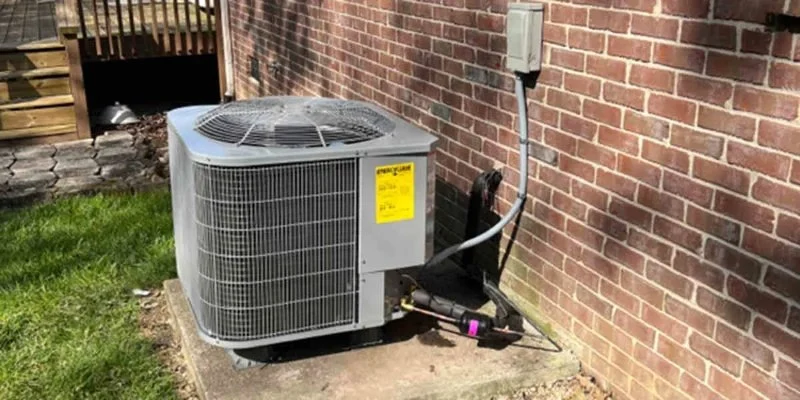
- Why Air Conditioners Freeze Even in Hot Weather
- Common Causes of Air Conditioner Freezing
- Daily Maintenance Tips to Prevent Freezing
- Inspection and Cleaning Strategies
- Thermostat and Settings Management
- Professional Services and Checkups
- Energy Efficiency and System Upgrades
- Troubleshooting and Immediate Actions
- Preventive Habits for Long-Term Care
- Finding More AC Solutions
Why Air Conditioners Freeze Even in Hot Weather
It may seem counterintuitive, but air conditioners can freeze even when outdoor temperatures are sweltering. This phenomenon often results from a combination of airflow restrictions, refrigerant issues, and mechanical inefficiencies. Understanding why AC units freeze is the first step toward prevention.
In hot weather, air conditioners are under significant stress. The system works harder to maintain indoor comfort, which can exacerbate minor issues that would otherwise go unnoticed. A frozen AC can lead to reduced cooling efficiency, increased energy bills, and even long-term damage to the unit if left unaddressed.
Case studies from homeowners in southern U.S. cities reveal that unplanned AC freezing can occur within just a few hours during peak summer heatwaves, highlighting the importance of proactive maintenance and system monitoring.
Common Causes of Air Conditioner Freezing
1. Restricted Airflow
Airflow problems, such as clogged air filters or blocked vents, reduce the system’s ability to circulate air efficiently. When air movement is limited, the evaporator coil can become excessively cold, leading to ice formation.

2J Supply HVAC Distributors
HuntingtonCabell CountyWest Virginia
602 Jackson Ave, Huntington, WV 25704, USA
2. Low Refrigerant Levels
Refrigerant is essential for heat transfer in an air conditioner. Low refrigerant levels can prevent the unit from absorbing heat properly, causing the evaporator coil to freeze.
3. Dirty Evaporator Coils
Accumulated dirt on evaporator coils impedes heat exchange. Even in high temperatures, dirty coils can lower the temperature enough to create frost and ice buildup.
4. Thermostat or Sensor Malfunctions
Faulty thermostats or sensors may cause the AC to run continuously, ignoring room temperature changes. This constant operation can overcool components, resulting in freezing.
5. External Factors
High humidity, improper system sizing, or closed blinds and curtains can contribute to uneven cooling, indirectly promoting ice formation on the unit.
Daily Maintenance Tips to Prevent Freezing
1. Regularly Inspect Air Filters
Check your AC’s air filter at least once a month during hot weather. Replace or clean filters to ensure proper airflow and prevent strain on the system.
2. Monitor Thermostat Settings
Avoid setting your thermostat excessively low. A moderate cooling target reduces system stress and helps maintain balanced operation.
3. Keep Vents Clear
Ensure that all supply and return vents are unobstructed by furniture, drapes, or debris. Proper air circulation is essential to prevent evaporator coils from freezing.
Inspection and Cleaning Strategies
1. Clean Evaporator and Condenser Coils
Cleaning the coils removes dust, dirt, and buildup that can hinder heat transfer. This simple action significantly reduces the risk of freezing, especially during continuous operation in hot weather.
2. Check for Debris Around Outdoor Units
Leaves, branches, and grass clippings near the condenser can impede airflow. Maintain at least two feet of clearance around the outdoor unit to optimize performance.
3. Examine Refrigerant Lines
Look for signs of leaks or damage. Low refrigerant levels are a leading cause of freezing, so prompt repair by a professional can prevent system failure.
Thermostat and Settings Management
1. Utilize Programmable Thermostats
Programmable thermostats allow you to control AC operation based on occupancy and temperature trends, minimizing overcooling and freezing risk.
2. Avoid Extreme Temperature Drops
Setting the thermostat drastically lower than outdoor temperatures forces the system to work excessively, increasing the likelihood of coil icing.
3. Incorporate Fan Settings
Using the fan-on mode periodically ensures continuous air movement, reducing localized cold spots on the evaporator coil.
Professional Services and Checkups
1. Annual AC Maintenance
Scheduling annual or biannual professional checkups allows technicians to inspect refrigerant levels, clean coils, and test system components for optimal function.
2. Early Problem Detection
Experts can identify issues such as leaking refrigerant, malfunctioning fans, or misaligned belts before they result in freezing, preventing costly repairs later.
3. Calibration and Upgrades
Technicians can recalibrate thermostats, sensors, and control boards. Upgrading components to more efficient models may further reduce freezing risks in hot climates.
Energy Efficiency and System Upgrades
1. Install High-Efficiency Units
Modern air conditioners with high SEER ratings often feature improved airflow design and better refrigerant management, lowering the chance of freezing.
2. Consider Variable-Speed Fans
Variable-speed fan motors adjust airflow dynamically to match cooling demand, keeping coils at safe temperatures even during heat waves.
3. Insulate Refrigerant Lines
Properly insulated lines reduce thermal loss and improve system efficiency, preventing uneven cooling and ice formation on coils.
Troubleshooting and Immediate Actions
1. Turn Off the Unit
If you notice ice forming, shut down the AC immediately. Running a frozen unit can cause compressor damage.
2. Allow Thawing
Give the system time to thaw completely. Using a ceiling fan or indoor circulation can help accelerate melting without risking mechanical damage.
3. Check Airflow and Filter Status
Inspect air filters and vents, clearing any obstruction before restarting the unit to prevent reoccurrence.
4. Call Professionals if Needed
Persistent freezing may indicate deeper issues, such as low refrigerant or compressor problems. Contact professionals for diagnosis and repair.
Preventive Habits for Long-Term Care
1. Seasonal Tune-Ups
Schedule preventive maintenance before the peak summer season to catch minor issues before they escalate.
2. Monitor System Performance
Keep an eye on unusual noises, temperature fluctuations, or uneven cooling patterns. Early detection is key.
3. Educate Household Members
Ensure everyone understands proper thermostat usage and ventilation habits, minimizing the risk of freezing due to misuse.
Finding More AC Solutions
Managing air conditioner health during hot weather requires a combination of routine maintenance, smart thermostat usage, and professional insight. Homeowners who adopt these strategies not only prevent freezing but also improve energy efficiency and prolong the lifespan of their units.
For additional guidance, equipment recommendations, and expert services, visit Ac Fix. The platform offers comprehensive solutions for air conditioner care, ensuring your home remains cool, comfortable, and worry-free throughout the summer months.
 Gist Service Company3.0 (16 reviews)
 Always Honest Air5.0 (115 reviews)
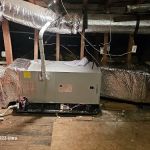 JBE Services, LLC5.0 (104 reviews)
 AirSol Air Conditioning and Heating5.0 (49 reviews)
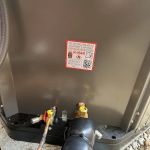 Manny and Son Air Conditioning & Heating LLC5.0 (25 reviews)
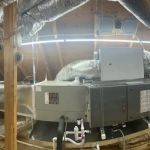 A/C JOE5.0 (27 reviews)
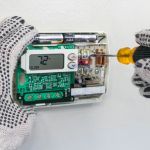 Troubleshooting an Air Conditioner with a Faulty Control Board – A Step-by-Step Guide
 What to Do When You Need to Fix Your Air Conditioner Immediately
 How to Repair an Air Conditioner with a Faulty Control Board
 The Ultimate Guide to DIY Air Conditioning Maintenance in the USA
 Fixing an Air Conditioner Not Blowing Cold Air: Complete Guide
 Everything You Need to Know Before You Replace Your Air Conditioning