
- 1. Introduction
- 2. Signs You Need Air Conditioning Replacement
- 3. Understanding the Cost of Replacing Your Air Conditioning
- 4. How to Choose the Right Air Conditioning Unit
- 5. Preparing for Your AC Installation
- 6. Post-Installation Maintenance and Care
1. Introduction
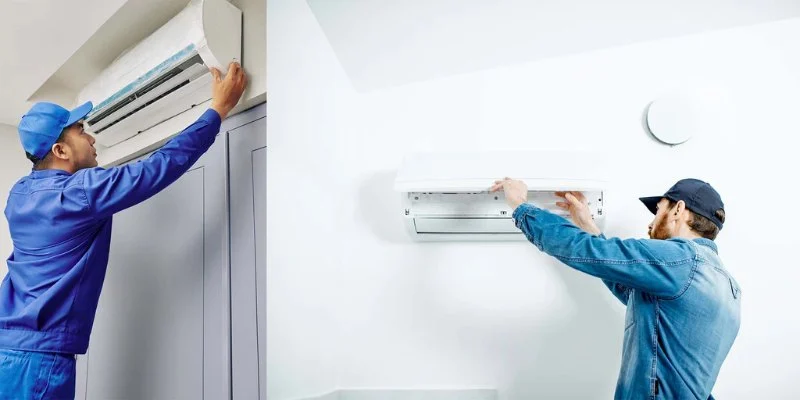
Replacing your air conditioning unit can be a significant investment, but it’s also essential for ensuring your home remains comfortable during the hottest months of the year. Whether your current system is inefficient, outdated, or simply no longer working, replacing it is often the best solution. In this guide, we will walk you through everything you need to know before replacing your air conditioning unit—from identifying the signs that it’s time for a replacement to choosing the right model for your home.

Hometown Appliance Repair
FayettevilleCumberland CountyNorth Carolina
109 Hay St Suite 202, Fayetteville, NC 28301, USA
2. Signs You Need Air Conditioning Replacement
Not all air conditioning issues require a full replacement, but there are several signs that may indicate it's time to replace your system:
- Frequent Breakdowns: If your AC needs frequent repairs, it may be a sign that it’s reaching the end of its lifespan.
- Increased Energy Bills: An aging or inefficient AC system will struggle to cool your home, leading to higher energy consumption and increased bills.
- Inconsistent Cooling: If your home is no longer being cooled evenly or your AC is blowing warm air, it’s likely time for a replacement.
- Age of the Unit: If your air conditioning unit is more than 10-15 years old, it may no longer be efficient enough to keep up with newer models.
3. Understanding the Cost of Replacing Your Air Conditioning
Replacing an air conditioning unit can be a costly endeavor, but the price varies based on several factors, such as the size of your home, the type of system you choose, and the complexity of the installation. Here are some key points to consider when budgeting for your AC replacement:
- Unit Size: A larger unit capable of cooling a bigger home will naturally cost more than a smaller unit.
- Energy Efficiency: High-efficiency systems may come with a higher upfront cost but can save you money in the long run by reducing energy bills.
- Installation Fees: Labor costs can vary depending on your location and the complexity of the installation process.
4. How to Choose the Right Air Conditioning Unit
When choosing a new air conditioning unit, it’s important to consider factors such as the size of your home, the climate in your area, and your personal preferences. Here are some tips for selecting the right AC:
- Determine the Correct Size: A professional HVAC technician can perform a load calculation to ensure you choose an appropriately sized system for your home.
- Consider Energy Efficiency: Look for units with a high SEER (Seasonal Energy Efficiency Ratio) rating. Higher ratings mean better efficiency and lower operating costs.
- Consider Additional Features: Modern AC systems come with smart features like Wi-Fi connectivity and zoning options, allowing you to control the temperature in different areas of your home.
5. Preparing for Your AC Installation
Before your new AC unit is installed, there are several steps you can take to ensure the process goes smoothly:
- Clear the Area: Make sure there is enough space around the area where the new unit will be installed to allow technicians to work efficiently.
- Consider Ductwork: If your ductwork is outdated or inefficient, it may need to be replaced or cleaned to ensure your new system works effectively.
- Verify Electrical Requirements: Ensure that your electrical system can handle the power needs of your new AC unit.
6. Post-Installation Maintenance and Care
Once your new air conditioning system is installed, regular maintenance will help extend its lifespan and ensure it operates efficiently. Here are some essential maintenance tasks:
- Change the Filters: Regularly changing the air filter will improve air quality and prevent strain on the system.
- Schedule Annual Maintenance: Have a professional technician inspect and service your AC unit at least once a year to catch potential problems early.
- Keep the Area Clean: Make sure the outdoor unit is free from debris like leaves and grass that can impede airflow.
Replacing your air conditioning unit is a significant decision that can improve your home's comfort and energy efficiency. By understanding the signs of when to replace your AC, selecting the right unit, and properly preparing for installation, you can ensure a smooth process and long-term satisfaction. For more information on air conditioning units and expert installation services, visit Ac Fix.
 Cornerstone AC & Heating4.0 (15 reviews)
 TemperaturePro Charleston4.0 (334 reviews)
 Pioneer Heating & Air Services5.0 (11 reviews)
 Adas Auto Repair & Towing4.0 (65 reviews)
 A/C Doctors Inc.4.0 (470 reviews)
 SERVPRO of Alexandria4.0 (42 reviews)
 Fastest Way to Fix AC Unit Without Getting Overcharged in the US
 How Long Should It Take to Fix an Air Conditioning Leak?
 Top Ways to Fix Your AC Quickly and Affordably in Your Area
 How to Fix Air Conditioners Without Spending a Fortune
 Best Practices for a Successful and Affordable AC Fix
 Where to Fix Air Conditioning in Emergency Situations: Quick Solutions