
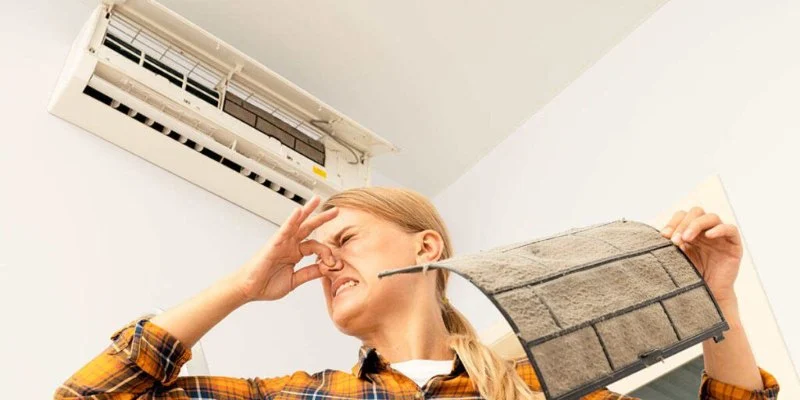
- 1-Why-Your-Air-Conditioner-Smells-Bad
- 2-Common-Causes-of-AC-Odor
- 3-Health-Risks-of-AC-Smells
- 4-How-to-Get-Rid-of-AC-Odors
- 5-Step-by-Step-Cleaning-Process
- 6-Real-Life-Home-AC-Odor-Cases
- 7-How-to-Prevent-Future-Odors
- 8-When-to-Call-AC-Fix
1. Why Your Air Conditioner Smells Bad
When homeowners in the United States notice a strange or unpleasant smell coming from their air conditioner, it is often a sign that something deeper is going wrong inside the HVAC system. A properly functioning air conditioner should circulate clean, neutral-smelling air. If odors appear, it usually indicates moisture buildup, microbial growth, or internal contamination within the system.
Air conditioners naturally collect humidity as they cool the air. When this moisture is not properly drained or dried, it creates an environment where bacteria, mold, and mildew can grow. Over time, these contaminants spread through the ventilation system, resulting in noticeable odors throughout the home.
For example, a homeowner in Atlanta reported a persistent musty smell every time their AC turned on during summer. After inspection, technicians discovered a clogged condensate drain line filled with mold buildup, which was circulating odors throughout the entire house.

2. Common Causes of AC Odor
Understanding the root causes of bad smells is essential for effective air conditioner maintenance. Different odors often point to different underlying problems.

2.1 Mold and Mildew Growth
Mold is one of the most common causes of foul-smelling air conditioners. It thrives in dark, damp environments such as evaporator coils, drain pans, and ductwork. A musty smell is often the first warning sign.
2.2 Clogged Drain Lines
The AC system removes moisture through a drainage pipe. When this line becomes clogged, water backs up into the unit, creating stagnant conditions that produce unpleasant odors.
2.3 Dirty Air Filters
Air filters trap dust, pollen, and debris. When they are not replaced regularly, they become saturated and begin to emit a stale or dusty smell.
2.4 Dead Insects or Rodents
In rare cases, pests may enter ductwork or AC units and die inside, causing a strong, decaying odor that spreads through the system.
3. Health Risks of AC Smells
Bad odors coming from an air conditioner are not just unpleasant—they may also indicate potential health risks. Mold spores and bacteria circulating through HVAC systems can trigger allergies, asthma, and respiratory irritation.
3.1 Respiratory Issues
Prolonged exposure to contaminated air can worsen asthma symptoms and cause coughing, sneezing, and throat irritation.
3.2 Allergic Reactions
Dust mites, mold spores, and other allergens in the system can lead to watery eyes, skin irritation, and sinus congestion.
3.3 Long-Term Exposure Concerns
In poorly maintained systems, continuous exposure to airborne contaminants may lead to chronic respiratory discomfort, especially in children and elderly residents.
4. How to Get Rid of AC Odors
Eliminating unpleasant smells from your air conditioner requires identifying the source and performing targeted cleaning or repairs.
4.1 Replacing Air Filters
One of the simplest fixes is replacing dirty air filters. This immediately improves airflow and reduces odor buildup.
4.2 Cleaning Evaporator Coils
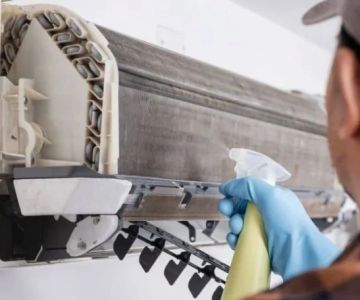
Evaporator coils often collect moisture and debris. Professional cleaning helps remove mold and bacteria buildup that contribute to odors.
4.3 Flushing Drain Lines
Clearing clogged condensate drain lines ensures proper water flow and prevents stagnant water from causing smells.
4.4 Duct Cleaning
If odors persist, duct cleaning may be necessary to remove hidden contaminants circulating throughout the system.
5. Step-by-Step Cleaning Process
Homeowners and technicians typically follow a structured process to restore air quality and eliminate odors.
5.1 System Inspection
The first step involves identifying where the smell originates, whether from filters, coils, or ducts.
5.2 Power Shutdown and Safety
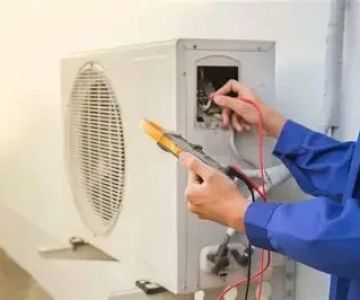
Before cleaning, the system is turned off to prevent electrical hazards and ensure safe handling of components.
5.3 Component Cleaning
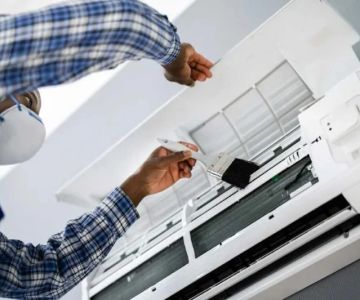
Filters are replaced, coils are cleaned with specialized solutions, and drain lines are flushed thoroughly.
5.4 Airflow Testing
After cleaning, the system is restarted to ensure proper airflow and confirm that odors have been eliminated.
6. Real-Life Home AC Odor Cases
Across the United States, many homeowners experience similar air conditioning odor problems that escalate when ignored.
- Case in Florida: A family noticed a strong musty smell every afternoon. The issue was traced to mold buildup inside the air handler caused by high humidity levels.
- Case in California: A homeowner experienced a burning smell from the AC unit, which turned out to be dust accumulation on heating components after months of inactivity.
- Case in New York: A clogged drain line caused water overflow, leading to mildew growth inside the duct system and persistent odors throughout the apartment.
These cases highlight how quickly minor maintenance issues can turn into widespread air quality problems.
7. How to Prevent Future Odors
Preventing AC odors is far easier than eliminating them after they appear. Regular maintenance plays a key role in keeping your system clean.
7.1 Regular Filter Replacement
Changing air filters every 1–3 months helps maintain clean airflow and prevents odor buildup.
7.2 Seasonal HVAC Maintenance
Professional inspections before peak summer and winter seasons ensure that components remain clean and functional.
7.3 Moisture Control
Ensuring proper drainage and humidity control reduces the risk of mold growth inside the system.
7.4 Keeping Vents Clean
Dusting and vacuuming air vents helps maintain indoor air quality and prevents debris accumulation.
8. When to Call AC Fix
If odors persist despite basic cleaning, it may indicate deeper issues within the HVAC system. In such cases, professional assistance is recommended.
AC Fix provides expert HVAC inspection, deep cleaning, and repair services designed to eliminate stubborn odors and restore clean air circulation. Their technicians can diagnose hidden mold growth, duct contamination, and mechanical issues that are often difficult to detect without professional tools.
By addressing both surface-level and internal system problems, AC Fix helps homeowners restore healthy indoor air quality and prevent recurring odor issues in the future.
 Watkins Heating & Cooling4.0 (945 reviews)
 SERVPRO of Lake Charles4.0 (92 reviews)
 Whipkey Heating and AC Inc4.0 (13 reviews)
 Herman W. Allen Plumbing, Heating & Cooling4.0 (213 reviews)
 Coolway Mechanical Services Co4.0 (218 reviews)
 Darlington Heating and Cooling,LLC5.0 (60 reviews)
 How to Test Your Air Conditioner’s Capacitor and Fix It If Needed
 How Long Does It Take to Fix an Air Conditioning Leak?
 The Importance of Regular Air Conditioner Servicing and How to Schedule It
 How Long Should It Take to Fix an AC Unit? Tips for Efficient Repairs
 Where to Fix Air Conditioning Leak in Emergency Situations: Quick Solutions
 Who Should You Trust When You Need to Fix Wall Air Conditioner