
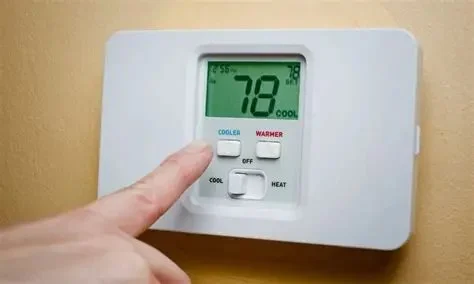
How to Fix a Faulty Thermostat in Your Air Conditioner
Your air conditioner's thermostat is a crucial component in regulating the temperature in your home. When it malfunctions, it can cause your AC to behave unpredictably, leading to discomfort and inefficiency. Fortunately, diagnosing and fixing a faulty thermostat is often a straightforward task that can save you both time and money. In this guide, we will explore how to identify common thermostat issues and provide steps for fixing them.
- 1. Understanding the Thermostat and Its Role
- 2. Signs That Your Thermostat Is Faulty
- 3. How to Diagnose Thermostat Problems
- 4. Step-by-Step Guide to Fixing a Faulty Thermostat
- 5. When to Call a Professional
1. Understanding the Thermostat and Its Role
The thermostat is the brain of your air conditioning system. It monitors the temperature in your home and sends signals to the air conditioner to maintain a desired temperature. When the thermostat detects that the temperature is too high or too low, it activates or deactivates the AC unit accordingly. A faulty thermostat can lead to a variety of issues, including inconsistent cooling, a constantly running system, or no cooling at all.

2. Signs That Your Thermostat Is Faulty
Knowing when your thermostat is malfunctioning is crucial for addressing the issue before it worsens. Here are the most common signs of a faulty thermostat:
- Inconsistent Temperature: If your air conditioner seems to be running without properly cooling your home, the thermostat may not be reading the temperature correctly.
- Air Conditioner Doesn’t Turn On: A thermostat that is set to a lower temperature but doesn’t trigger the air conditioning unit could be malfunctioning.
- Constantly Running AC: If the air conditioner runs non-stop, even when the house reaches the set temperature, the thermostat may be stuck in the "on" position.
- Incorrect Display: If the temperature reading on your thermostat seems wrong or erratic, it may be a sign of a faulty sensor or malfunctioning wiring.
- Frequent Cycling: If your air conditioner frequently cycles on and off, the thermostat may be sending signals too often, causing inefficient cooling.
3. How to Diagnose Thermostat Problems
Before jumping into repairs, it’s important to properly diagnose the issue with your thermostat. Here’s how you can check for common problems:
- Check the Power: Ensure the thermostat is powered on. Check the circuit breaker for any tripped switches, and replace batteries if necessary for battery-operated models.
- Verify the Settings: Double-check that your thermostat settings are correct and set to "cool" mode. Ensure the temperature is set lower than the room’s current temperature.
- Inspect the Wiring: A loose or frayed wire may cause your thermostat to malfunction. If you’re comfortable working with electrical systems, turn off the power and inspect the connections.
- Clean the Thermostat: Dust and debris can accumulate on your thermostat over time, blocking sensors or interfering with its functionality. Gently clean the thermostat with a soft cloth.
4. Step-by-Step Guide to Fixing a Faulty Thermostat
If you’ve diagnosed the issue and found a problem, it’s time to fix the thermostat. Here’s a simple, step-by-step guide:
- Turn Off the Power: Always start by turning off the power to your air conditioner at the circuit breaker to prevent electrical shock.
- Check the Batteries: If your thermostat runs on batteries, replace them. Low batteries can often cause the thermostat to malfunction.
- Calibrate the Thermostat: Some thermostats have calibration features. If your thermostat shows incorrect readings, calibrate it according to the manufacturer’s instructions.
- Fix or Replace the Wiring: If you notice damaged wires or loose connections, tighten them or replace the wire. For complex wiring issues, consider calling a professional.
- Test the System: After making the necessary repairs, turn the power back on and test the system to ensure it’s working properly. Set the thermostat to a lower temperature and verify that the AC kicks in.
5. When to Call a Professional
While many thermostat issues can be resolved with simple troubleshooting, there are times when it's best to call a professional HVAC technician. If the issue persists after troubleshooting, or if you’re not comfortable working with electrical systems, it’s time to seek professional help. A technician can perform a thorough inspection and repair or replace the thermostat if necessary.
In conclusion, a malfunctioning thermostat can disrupt the comfort of your home, but with the right knowledge, you can troubleshoot and fix many common problems on your own. If you're still having trouble, visit 【Ac Fix】 for professional HVAC services and thermostat solutions to keep your air conditioning system running smoothly.

 Ice Cold Air Discount Auto Repair4.0 (280 reviews)
 McKinney Heating & Air Conditioning4.0 (80 reviews)
 Bradford Mechanical Heating & Air5.0 (9 reviews)
 FrostGuard AC Repair Solutions5.0 (8 reviews)
 Express Oil Change & Tire Engineers4.0 (182 reviews)
 Kasper Mechanical5.0 (722 reviews)
 2025 Trends: How People Are Choosing to Fix Air Conditioner Now
 How Long Should It Take to Fix Your AC on a Budget?
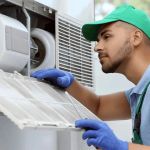 Best Services to Get Your AC Fixed Near You Today
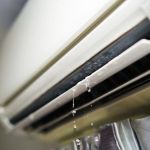 10 Signs It's Time to Fix Your Air Conditioner: Expert Guide
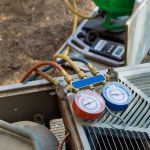 How Much Does It Really Cost to Fix Your AC Cheaply? | Affordable AC Repairs
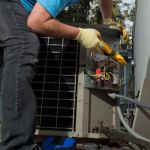 How Much Does It Really Cost to Fix an Air Conditioner? | AC Repair Costs Explained