

AC Service Records: Save Model, Parts, and Visit Notes
On this page
- Why AC records matter
- Identify every system component
- Photograph data plates safely
- Save estimates and invoices
- Record parts and refrigerant work
- Track filters and routine maintenance
- Write useful symptom notes
- Organize warranty information
- Prepare records for the next technician
- Protect and transfer the file
- AC service record checklist
Air-conditioning equipment can receive years of filter changes, tune-ups, repairs, control updates, and part replacements. Without a consistent record, a new technician may not know what was changed, which model is installed, or whether a recurring symptom followed a previous visit. A simple service file makes that history available when the system needs attention.
The record does not replace professional diagnosis or prove warranty coverage. It gives the homeowner and HVAC provider reliable dates, identifiers, documents, and observations. Build it from original records rather than memory, and update it immediately after each service.
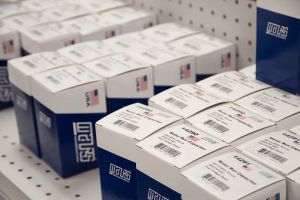
Why AC records matter
An HVAC system can include an outdoor condensing unit or heat pump, indoor coil, furnace or air handler, thermostat, zoning controls, condensate equipment, filters, and accessories. Components may have different manufacturers, installation dates, and warranty terms.
When a problem appears, the service history can show whether the same part failed before, whether comfort changed after remodeling, or whether maintenance is due. Records also help compare estimates, plan replacement, document insurance questions, and explain the system to a future owner.
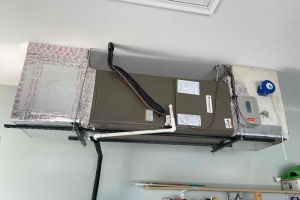
AA Temperature Services
Punta GordaCharlotte CountyFlorida
28041 Airpark Dr, Punta Gorda, FL 33982, USA
Identify every system component
Create a page for each system and name the area it serves. List outdoor and indoor equipment, thermostat, condensate pump, zoning panel, air cleaner, humidifier or dehumidifier, and other connected accessories. In a multi-system home, use labels such as “upstairs” and “downstairs” rather than “unit one” unless physical tags match.
Record manufacturer, model number, serial number, approximate installation date, capacity information when documented, filter size, and service disconnect location. Ask the installer or technician to correct identifiers you cannot read. Do not infer equipment compatibility from brand or cabinet appearance.
Photograph data plates safely
Photograph labels that are readily visible from a normal standing position. Use a wide photo to show the component and a close image for the plate. Keep the original file so the code is not lost through compression.
Do not remove access panels, bypass guards, reach near a fan, step into water, or open electrical equipment to find a label. Outdoor units can start automatically. If a plate is hidden or damaged, ask a qualified technician to record the information during service.
Save estimates and invoices
Keep the accepted estimate, approved changes, final itemized invoice, and payment receipt. The invoice should identify the service address, date, company, diagnosis or observed condition, work performed, installed parts, and recommendations. Ask for clarification while the visit is recent if the description is vague.
Separate a diagnostic fee from quoted repair work, and compare the final invoice with what was authorized. Do not rewrite an original record; add your own note beside it. Keep declined options as well, since they may explain a later recommendation.
Record parts and refrigerant work
For replaced components, record the part description, manufacturer or part number when available, installation date, and separate part and labor warranty terms. Ask whether the removed part is returned, retained for a claim, or disposed of under the provider's procedure.
Refrigerant work requires trained professionals and may be subject to federal requirements. The service record should describe leak testing, findings, repairs, refrigerant type, and work performed as provided by the contractor. Homeowners should never vent refrigerant, connect gauges, add a product, or assume that low charge is routine consumption.
Track filters and routine maintenance
Record the exact filter dimensions, type, airflow arrow direction, approved location, and replacement date. Use the equipment or professional guidance for schedule and suitability; a higher-rated filter is not automatically better if it restricts airflow.
Log professional maintenance dates and the stated scope, not simply “tune-up.” Note cleaning, testing, drain checks, electrical measurements, temperature readings, and recommendations when supplied. Keep the provider's report instead of creating technical values from memory.
Write useful symptom notes
When comfort changes, record the date, outdoor weather, thermostat mode and setpoint, room temperatures, affected rooms, timing, noises, odors, water, ice, and any error message. Note recent power outages, construction, filter changes, furniture moves, or thermostat updates.
Use observable language. “Buzz begins ten seconds after outdoor unit starts” is more helpful than “motor is bad.” Photograph visible conditions without opening equipment. For burning odors, smoke, sparking, repeated breaker trips, refrigerant-line damage, or water near electrical parts, shut the system down safely and seek professional help.
Organize warranty information
Keep product registration, proof of purchase, installation date, installer details, and complete manufacturer and labor warranty terms. Confirm which components have separate coverage and whether registration, maintenance, original-owner status, or authorized service affects a claim.
Read exclusions for diagnosis, travel, labor, shipping, refrigerant, filters, maintenance, and related property damage. Do not assume that a replacement part restarts the full system warranty. Ask the provider to document the coverage applied to each repair.
Prepare records for the next technician
Before a visit, create a short summary with system identifiers, current symptom, timeline, recent service, filter information, and relevant invoices. Give access to the thermostat, indoor and outdoor equipment, electrical panel, drain route, and returns as requested.
Do not overwhelm the technician with unrelated documents or hide another company's work. Accurate history supports a fresh diagnosis. Ask for the new findings, measurements, options, installed parts, and follow-up plan in writing after the visit.
Protect and transfer the file
Store paper records in a dry place away from condensate and equipment leaks. Back up digital copies and use file names with date, system, provider, and topic. Protect addresses, signatures, payment details, access codes, and account credentials.
For a home sale, prepare a privacy-checked copy with manuals, service dates, major repairs, product details, and transferable warranty information. Remove full card numbers, private messages, security codes, and unrelated insurance data. A real estate professional can advise which records are appropriate for the transaction.
AC service record checklist
- List every component and the area each system serves.
- Record model, serial, installation date, and filter details.
- Photograph accessible data plates without opening equipment.
- Save estimates, approvals, invoices, and payment receipts.
- Document replaced parts and professional refrigerant work.
- Track filter changes and the scope of maintenance visits.
- Log symptoms with settings, timing, weather, and rooms.
- Keep registration and separate warranty terms.
- Prepare a concise history before each technician visit.
- Back up records and remove private data before transfer.
An AC service file can begin with one folder and a one-page index. Capture equipment identifiers, original documents, visit details, parts, maintenance, warranties, and factual symptom notes. Updated records help each technician understand the history while leaving the actual testing, diagnosis, and repair where they belong—with qualified HVAC professionals.
 Johnson Heating & Cooling Inc4.0 (4 reviews)
 Bentley's Air Conditioning | Lebanon TN4.0 (109 reviews)
 DH Mechanical LLC5.0 (145 reviews)
 BUDGET HEAT AND AIR4.0 (28 reviews)
 Sexton Heating & Air Conditioning5.0 (1 reviews)
 The Comfort Doctor Heating, Air Conditioning, & Refrigeration5.0 (133 reviews)
 How to Repair an Air Conditioner that Won’t Turn Off
 Can You Fix Air Conditioning Without Replacing the Entire System?
 AC Condensate Drain Clogs: Signs and Safe Next Steps
 How Much Does It Really Cost to Fix Air Conditioning Leak?
 How to Fix Air Conditioner Electrical Problems Without Calling a Pro
 How to Diagnose an Air Conditioner Problem Before Calling a Technician