
- 1. Understanding the Common Air Conditioner Noises
- 2. Why is My Air Conditioner Making a Hissing Sound?
- 3. The Buzzing Noise: Causes and Solutions
- 4. Troubleshooting Clicking Sounds in Your AC
- 5. How to Prevent Air Conditioner Noises
- 6. When to Call a Professional
1. Understanding the Common Air Conditioner Noises
Air conditioners can produce a variety of noises, some of which are completely normal, while others signal that something might be wrong. Among the most common sounds, you may hear are hissing, buzzing, and clicking. Understanding what these noises mean is the first step in diagnosing and fixing the issue.
1.1. Normal vs Abnormal Sounds
It’s important to know the difference between normal operational sounds and noises that indicate a potential problem. Low hums, air whooshing through ducts, and gentle fan sounds are typical. However, loud buzzing, clicking, and hissing sounds often suggest something is amiss.
1.2. What You’ll Learn
This article will guide you through how to identify the causes behind these common air conditioner noises and provide solutions to resolve them. If you're ready to tackle these issues, read on!
2. Why is My Air Conditioner Making a Hissing Sound?
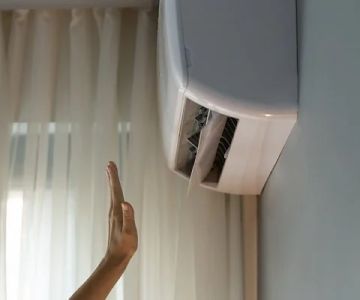
A hissing sound coming from your air conditioner is one of the most common noises people encounter. While it can be normal during the cooling process, especially as refrigerant flows through the system, it can also indicate certain issues that need attention.
2.1. Possible Causes of Hissing Sounds
The most likely causes of a hissing sound are:
- Leaking refrigerant: If there's a leak in the refrigerant line, it will cause the refrigerant to escape under high pressure, producing a hissing sound.
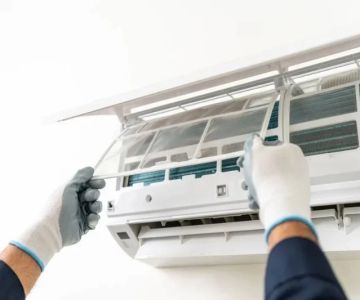
- Blocked air filter: When the filter is clogged, it can disrupt airflow, creating pressure changes that cause a hissing noise.
- Dirty evaporator coils: If the coils are dirty, they can cause restricted airflow, leading to hissing as the air struggles to pass through.
2.2. How to Fix Hissing Noises
To fix a hissing air conditioner, follow these steps:
- Check for a refrigerant leak. If you suspect a leak, it’s essential to call a professional to repair it and recharge the system.
- Replace or clean the air filter. If it’s clogged, cleaning or replacing it will restore proper airflow.
- Inspect and clean the evaporator coils. Regular cleaning will prevent dust buildup and improve performance.
3. The Buzzing Noise: Causes and Solutions
A buzzing sound in an air conditioner is often a sign of something more severe, especially if it’s loud or persistent. Buzzing can be caused by electrical or mechanical issues that need prompt attention.
3.1. Common Causes of Buzzing Noises
Here are some common reasons your air conditioner might buzz:
- Loose parts: A fan blade or compressor mount may have loosened over time, causing parts to vibrate and create a buzzing sound.
- Faulty capacitor: The capacitor powers the compressor and fan motor. If it's faulty, the motor may struggle to start, producing buzzing sounds.
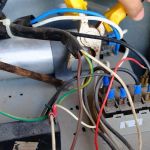
- Electrical issues: Faulty wiring or a malfunctioning relay can cause buzzing noises during operation.
3.2. How to Fix Buzzing Noises
To fix buzzing noises, consider the following steps:
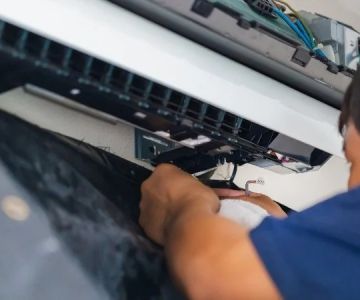
- Inspect the unit for loose parts, such as fan blades or covers, and tighten them if needed.
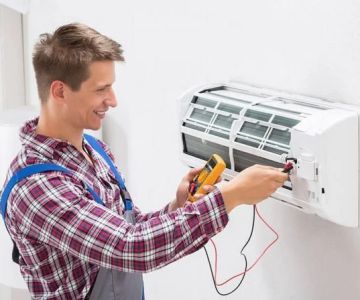
- Check the capacitor and replace it if necessary. If you’re unsure, it’s best to consult a professional technician.
- If you suspect electrical issues, call a licensed technician to inspect and repair any faulty wiring.
4. Troubleshooting Clicking Sounds in Your AC
Clicking sounds can be one of the most annoying air conditioner noises. While some clicking is normal when the unit starts or shuts off, excessive or repeated clicking is usually a sign of a problem.
4.1. Potential Causes of Clicking Noises
Here are some possible causes for clicking sounds:
- Debris in the fan: Small objects or debris can get stuck in the fan, causing it to click as it turns.
- Damaged fan blades: If a blade is bent or broken, it may click against the casing as it moves.
- Electrical relay issues: A malfunctioning relay can cause the unit to click repeatedly as it tries to start the compressor or fan.
4.2. How to Fix Clicking Noises
To address clicking noises, try these solutions:
- Turn off the AC and remove any visible debris around the fan blades.
- Inspect the fan blades for damage. If any blades are broken or bent, they will need to be replaced.
- If the clicking persists, call a professional to check the electrical relays and components.
5. How to Prevent Air Conditioner Noises
Preventing air conditioner noise is easier than dealing with it once it starts. Regular maintenance and early intervention can keep your AC unit running quietly and efficiently.
5.1. Regular Maintenance
Perform routine checks, such as cleaning or replacing the air filter, checking refrigerant levels, and cleaning the evaporator coils. Regular maintenance can help prevent many common noise issues from arising.
5.2. Annual Inspections
Have a professional HVAC technician inspect your system at least once a year. They can identify potential problems early and address them before they turn into noisy, expensive issues.
6. When to Call a Professional
While some air conditioner noises can be fixed with simple DIY solutions, others may require professional intervention. If you’ve tried the above solutions and the noises persist, or if you’re unsure about the issue, it’s time to call in an expert.
6.1. Warning Signs You Need Professional Help
- Persistent noises that don’t go away after basic troubleshooting
- Strange electrical smells or smoke
- Cooling performance issues
For more in-depth troubleshooting or to get the right products and services, visit Ac Fix, where you can find expert solutions for your air conditioning needs.
 Bill's Air Duct Service3.0 (24 reviews)
 Haynes Service Co LLC4.0 (38 reviews)
 Hvac Supply5.0 (22 reviews)
 Orlando HVAC Air Conditioning4.0 (242 reviews)
 Service-Tech HVAC & Industrial Cleaning5.0 (1 reviews)
 Walmart HVAC Services0.0 (0 reviews)
 Who Should You Trust When You Need to Get Your AC Fixed?
 Common Air Conditioning Repair Myths Debunked
 How to Fix an Air Conditioner with Faulty Wiring
 What to Do When Your Air Conditioner is Short Cycling: Causes and Solutions
 Can You Fix Your AC Cheap Without Replacing the Entire System?
 Best Air Conditioning Services Near You Today for Fast and Reliable Repairs