
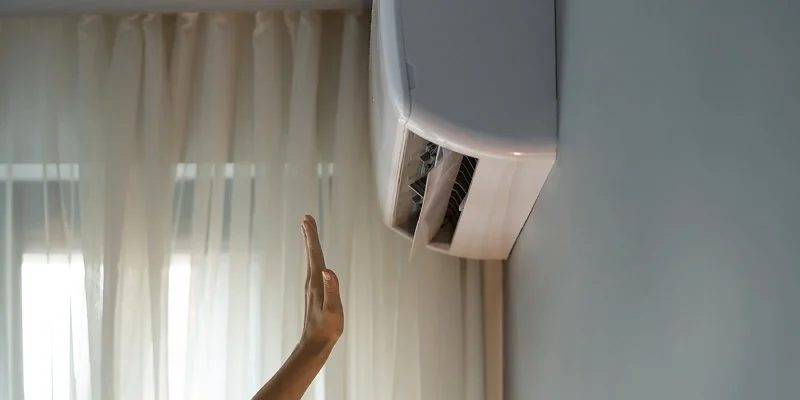
1. Understanding Airflow Problems in Air Conditioners
Airflow problems are one of the most common issues that can affect your air conditioner’s performance. When your AC is not blowing enough air, it can cause uneven cooling, increased energy costs, and even damage to the system. Identifying the cause of low airflow is essential for restoring your AC’s efficiency.

Mountain Mechanical Services
Blue RidgeFannin CountyGeorgia
000 Kingtown St, Blue Ridge, GA 30513, USA
2. Checking and Replacing the Air Filters
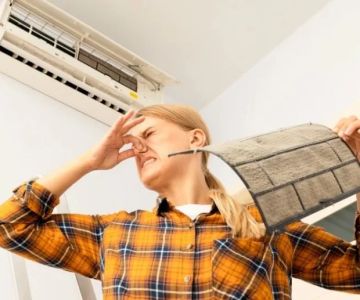
One of the first places to check when troubleshooting low airflow in your air conditioner is the air filter. A clogged or dirty air filter can block the flow of air, reducing your AC's ability to cool your home effectively.
Jay's Heating, Air & Plumbing
Mount AirySurry CountyNorth Carolina
130 Greyhound Rd, Mt Airy, NC 27030, USA
How to Inspect the Air Filter
Start by turning off the power to your air conditioner. Locate the air filter, usually found near the return air duct or inside the air handler unit. Remove the filter and check for dirt and debris. If the filter looks dirty or clogged, replace it with a new one.
When to Replace the Filter
It’s recommended to replace your air filter every 1-3 months, depending on the type of filter and your household's air quality. If you have pets or allergies, consider replacing the filter more frequently.
3. Cleaning the Evaporator Coils
Evaporator coils are responsible for absorbing heat from the air. Over time, dirt and debris can accumulate on the coils, which can cause them to freeze and restrict airflow. Cleaning the coils can improve airflow and restore the AC’s cooling performance.
How to Clean the Coils
Before cleaning the evaporator coils, ensure the unit is turned off. Use a soft brush or a vacuum cleaner with a brush attachment to gently remove dirt from the coils. If the coils are heavily soiled, use a coil cleaner and follow the manufacturer's instructions.
4. Inspecting the Ductwork for Leaks
Leaky ducts can be a significant contributor to low airflow problems. Air leaks in the ducts can cause cool air to escape before reaching the desired areas of your home, reducing the overall efficiency of your system.
How to Find and Fix Leaky Ducts
Inspect your ductwork for any visible holes, gaps, or disconnected sections. If you find any, use duct tape or mastic sealant to seal the leaks. For more extensive issues, you may need to hire a professional HVAC technician to replace or repair damaged ductwork.
5. Checking the Blower Motor
The blower motor is responsible for pushing air through the ductwork. If the blower motor is malfunctioning or not running at full capacity, it can cause reduced airflow.
How to Check the Blower Motor
If you suspect the blower motor is the issue, listen for unusual noises or a lack of air coming from the vents. You can also check the motor’s performance by inspecting the fan blades to see if they are moving at a normal speed. If the motor seems faulty, it may need to be repaired or replaced by a professional technician.
6. Cleaning the Condensate Drain
A clogged condensate drain can cause water to back up in the system, leading to low airflow and potential damage to your air conditioner. The drain removes excess moisture from the air, and when it becomes blocked, it can cause a range of performance issues.
How to Clean the Condensate Drain
Locate the condensate drain line, usually near the air handler. Use a wet/dry vacuum to suck out any debris from the drain line. If the line is still clogged, try flushing it with a mixture of bleach and water to clear the obstruction.
7. When to Call a Professional
If you’ve checked all the components mentioned above and your air conditioner still has low airflow, it might be time to call a professional. An HVAC technician can diagnose and fix issues like a malfunctioning compressor, refrigerant leaks, or more complex electrical problems that require expert attention.
Why Professional Help is Necessary
Some issues, such as problems with the refrigerant or electrical components, can be dangerous to handle without proper training. Calling a professional ensures the job is done safely and correctly, and it can help prevent further damage to your system.
8. Get Expert Help from Ac Fix
If you're facing persistent low airflow issues with your air conditioner, consider visiting Ac Fix for expert advice and professional services. We offer comprehensive air conditioning repair and maintenance services to ensure your AC is working at its best, keeping your home cool and comfortable.
 Cummins Sales and Service4.0 (42 reviews)
 Graham Heating & Air Conditioning - Lakeland (An Arctic Air Holdings Company)4.0 (134 reviews)
 E & E Automotive4.0 (189 reviews)
 E.F. Martin Mechanical Contractors, Inc.4.0 (266 reviews)
 BCS Turns, LLC5.0 (1 reviews)
 Innovative Heating & Air5.0 (12 reviews)
 How Long Should It Take to Fix Your AC at a Reasonable Cost?
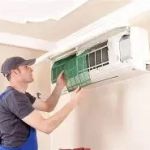 Why Your Air Conditioner Is Not Turning Off and How to Fix It
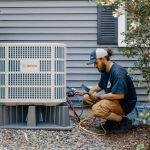 How to Diagnose and Fix Your AC Immediately | Quick Solutions for AC Problems
 Who Should You Trust When You Need to Fix Your Air Conditioning? | Ac Fix
 How to Spot Common Air Conditioning Problems and Fix Them Early
 How to Extend the Life of Your Air Conditioning Unit