
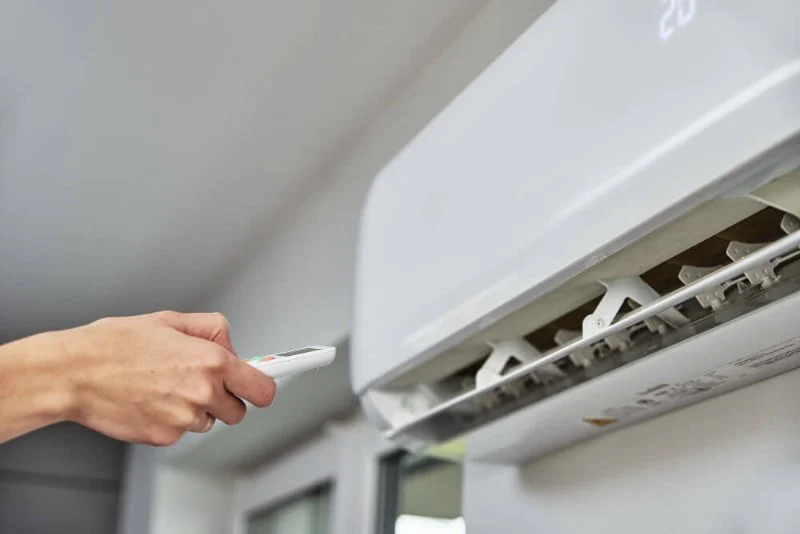
Air Conditioner Troubleshooting: How to Fix an Overheating Unit
Is your air conditioner suddenly not keeping up with the heat? If your AC unit is overheating, it can lead to poor performance, system shutdowns, and potentially expensive repairs. But don't worry—there are several troubleshooting steps you can take to address the issue before calling a professional. In this article, we’ll walk you through the causes of overheating in air conditioners and provide actionable solutions to help you restore comfort in your home.
- 1. Common Causes of an Overheating AC Unit
- 2. Steps to Troubleshoot an Overheating Air Conditioner
- 3. When to Call a Professional HVAC Technician
1. Common Causes of an Overheating AC Unit
Understanding the potential causes of overheating is the first step in fixing your AC unit. Some of the most common reasons include:
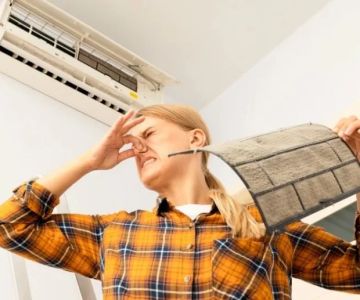
- Dirty Air Filters: One of the most frequent culprits behind an overheating AC unit is a clogged air filter. A dirty filter restricts airflow, forcing the unit to work harder to circulate air. This extra strain can lead to overheating.
- Low Refrigerant Levels: When the refrigerant levels are low, the AC unit struggles to cool the air effectively. This can cause the compressor to overheat due to excessive pressure.
- Faulty Compressor: The compressor is responsible for circulating the refrigerant through the system. If it's malfunctioning, the AC unit can overheat and shut down. This issue may require professional repair or replacement.
- Blocked Vents or Ducts: If the vents or ducts are obstructed, airflow is restricted, forcing the system to work harder and leading to overheating. Be sure to check for any visible blockages and clean them out.
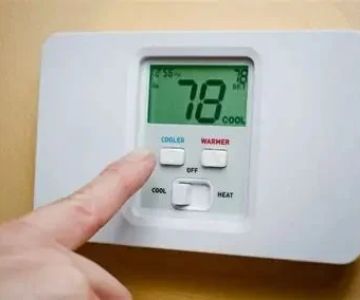
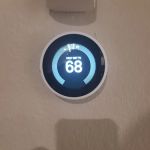
- Thermostat Issues: A malfunctioning thermostat can cause your AC to run continuously or fail to properly regulate temperature, leading to overheating. If you suspect this, you may need to replace the thermostat.
2. Steps to Troubleshoot an Overheating Air Conditioner
Once you've identified the possible causes, follow these steps to troubleshoot and fix your overheating air conditioner:
- Turn Off the Unit: Safety should always come first. Before inspecting or repairing your AC, make sure to turn off the power to the unit. This will help prevent electrical shock or further damage to the system.
- Check the Air Filter: If you haven't replaced the air filter recently, now is the time to do so. A clean air filter will allow air to flow freely through the system, reducing strain on the unit. Replace the filter if it appears dirty or clogged.
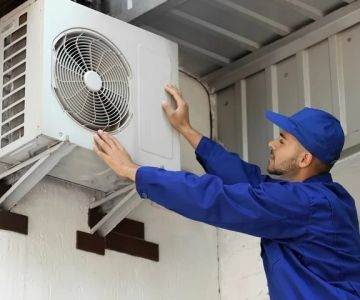
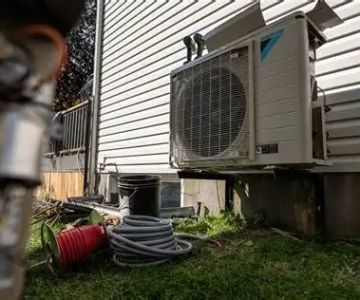
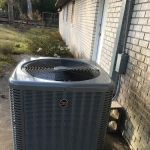
- Inspect the Condenser Coils: Dirty condenser coils can cause your AC unit to overheat. If you notice dirt or debris on the coils, clean them carefully using a coil cleaner or a soft brush. Be sure to follow manufacturer instructions to avoid damage.
- Check Refrigerant Levels: Low refrigerant levels are a common cause of overheating. If you suspect your unit is low on refrigerant, contact a licensed HVAC technician to inspect and recharge the system. Avoid trying to do this yourself, as handling refrigerant requires special equipment.
- Examine the Thermostat: Test the thermostat by adjusting the temperature and observing whether the AC unit responds. If it doesn't seem to work correctly, consider replacing it. Sometimes, recalibration can solve the problem, but if not, a new thermostat may be needed.
- Ensure Proper Ventilation: Make sure that all vents and ducts are open and free from obstructions. Even small blockages can cause significant issues, so check both inside and outside the house for any signs of clogging or debris accumulation.
3. When to Call a Professional HVAC Technician
Sometimes, the issue with your AC is more complex and requires professional assistance. Here are some situations where it's best to call in an expert:
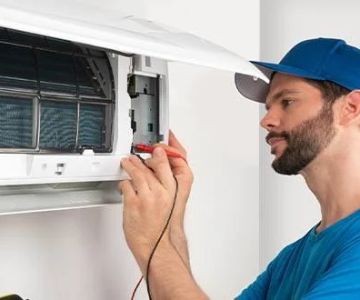
- Faulty Compressor: If you suspect the compressor is malfunctioning, it’s important to call a licensed HVAC technician. Compressors are expensive to replace, and improper handling can lead to further damage.
- Persistent Overheating: If your AC continues to overheat despite troubleshooting, it could indicate a serious underlying issue. An HVAC professional can diagnose the problem and recommend the necessary repairs.
- Low Refrigerant Levels: If your AC is low on refrigerant, a professional can safely recharge the system and check for any leaks, which could be causing the loss of refrigerant.
If you're looking for reliable products and services to help maintain or fix your AC unit, check out Ac Fix for recommendations on tools, replacement parts, and expert technicians to ensure your system runs efficiently year-round.
 Wallace Air Conditioning & Heating3.0 (46 reviews)
 Elite HVAC/DUCT Cleaning5.0 (10 reviews)
 Blue Bear Heating & Air5.0 (245 reviews)
 Home Services at The Home Depot4.0 (7 reviews)
 Manfredi Heating & Air Conditioning5.0 (331 reviews)
 Anderson Air Conditioning Inc3.0 (19 reviews)
 How to Perform Basic Air Conditioner Maintenance and Save on Repairs
 Experts Explain How to Fix an AC Condenser Like a Pro
 How to Maintain Your AC’s Compressor for Long-Term Performance
 How to Replace a Faulty Air Conditioner Capacitor: A Step-by-Step Guide
 How to Fix AC Units with Excessive Ice Buildup: Step-by-Step Guide
 Top Ways to Find Who Can Fix My Air Conditioner Quickly and Affordably in Your Area