
- Why AC Maintenance is Important
- Step-by-Step AC Maintenance Guide
- Common AC Issues You Can Prevent
- When to Call a Professional
- Regular Maintenance Tips to Follow
Why AC Maintenance is Important
Regular maintenance is essential to keep your air conditioner running smoothly and prevent unexpected breakdowns. By performing basic AC maintenance, you can enhance its efficiency, extend its lifespan, and avoid costly repairs. This guide will walk you through simple maintenance tasks you can perform yourself, as well as the reasons why these tasks are important for the health of your system.
Step-by-Step AC Maintenance Guide
Taking a few simple steps each season can keep your air conditioner in optimal condition. Here’s a step-by-step guide to basic air conditioner maintenance:
1. Turn Off the Power
Before you begin, always ensure the power to the air conditioner is turned off. This is important for safety reasons while you're working on the system.
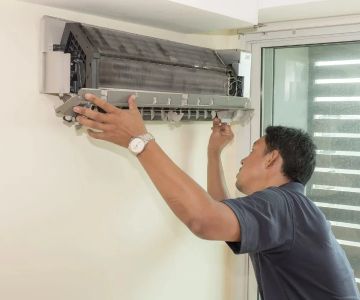
2. Clean or Replace the Air Filter
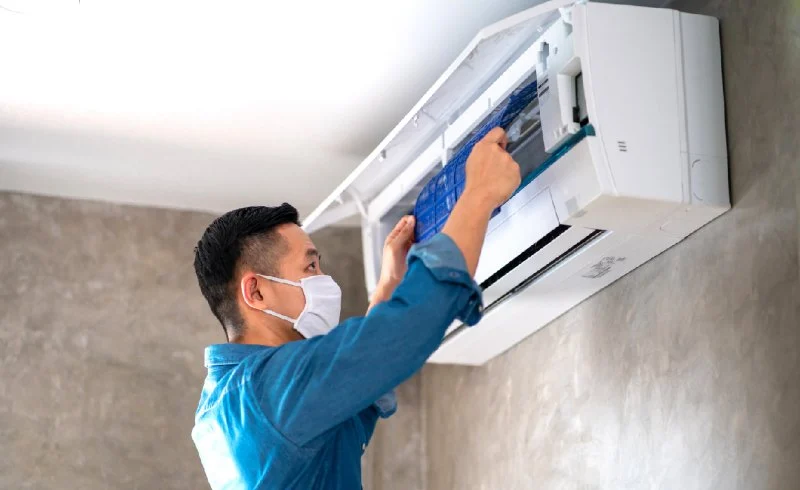
One of the most important tasks in maintaining your AC is regularly cleaning or replacing the air filter. Clogged filters reduce airflow, forcing your unit to work harder, which can increase energy consumption and wear down the system. A clean filter allows better airflow and ensures optimal cooling performance.
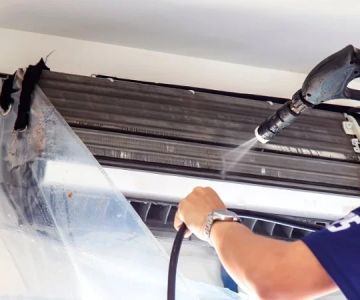
3. Clean the Coils
Both the evaporator and condenser coils in your air conditioner should be cleaned at least once a year. Dust and debris can accumulate on these coils, impairing their ability to absorb and expel heat. Use a coil cleaner or a soft brush to gently clean them.
4. Check the Refrigerant Levels
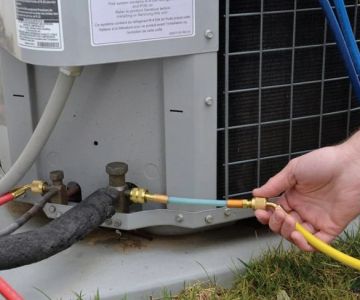
Low refrigerant levels can reduce the efficiency of your air conditioner and even cause it to stop cooling altogether. While checking refrigerant levels usually requires a professional, if you suspect there’s an issue, it’s worth getting a technician to inspect the system.
5. Clean the Condenser Unit
For outdoor units, debris like leaves, dirt, and grass can block airflow and make your unit less efficient. Make sure the area around the condenser is clear of any obstructions, and gently hose down the unit to remove dirt.
Common AC Issues You Can Prevent
By performing regular maintenance, you can prevent many common air conditioner issues. Here are some problems that can be avoided with simple upkeep:
1. Frozen Coils
When the evaporator coils freeze, your air conditioner can no longer cool the air effectively. This can happen when there’s a blockage in airflow or if the refrigerant levels are too low. Regular filter changes and coil cleaning can prevent this issue.
2. Poor Airflow
Poor airflow is often a result of a clogged air filter or blocked ducts. Ensuring regular cleaning of the filter and ductwork can maintain consistent airflow and improve cooling efficiency.
3. Water Leaks
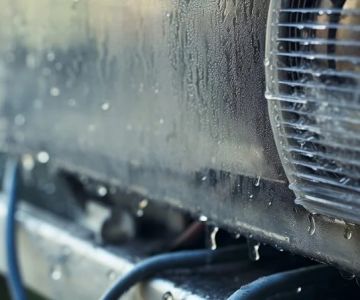
If your air conditioner is leaking water, the issue could be with the condensate drain. Regularly checking the drain line for blockages and clearing it when needed can prevent water damage and keep the system running smoothly.
4. Unpleasant Odors
Dirty filters or mold build-up in the system can cause foul odors when the AC is running. Keeping the system clean and replacing filters regularly will help avoid these unpleasant smells.
When to Call a Professional
While basic maintenance tasks can be done by most homeowners, there are times when you’ll need to call in a professional. Here are a few scenarios when it's best to seek expert help:
1. Refrigerant Leaks
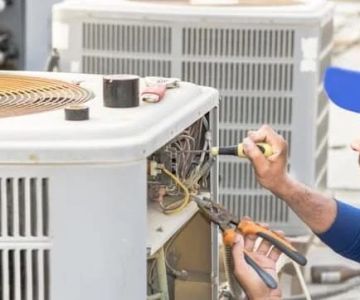
If you suspect that your AC is low on refrigerant or if you notice signs of a leak, it’s important to call a professional. Handling refrigerant requires specialized tools and expertise to avoid further damage and ensure compliance with safety standards.
2. Electrical Issues
If you encounter electrical problems, such as the system not turning on or tripping circuit breakers, you should call a technician. Electrical issues can be dangerous if handled improperly.
3. Compressor Problems
If the compressor isn’t working properly, your air conditioner will not be able to cool the air. Replacing or repairing a compressor typically requires a professional because of the complexity of the job and the tools involved.
Regular Maintenance Tips to Follow
Maintaining your air conditioner is essential to ensuring its longevity and efficiency. Here are some additional maintenance tips to follow throughout the year:
1. Schedule Annual Professional Inspections
Even with regular DIY maintenance, it’s a good idea to have your air conditioner professionally inspected once a year. A technician can spot potential issues early and address them before they become major problems.
2. Keep the Area Around the AC Unit Clean
Ensure that the area around both indoor and outdoor units is clear of debris, dust, and dirt. This will help prevent blockages and improve airflow, keeping your unit functioning at its best.
3. Adjust the Thermostat Settings
To ensure your system is running efficiently, set your thermostat to a moderate temperature. Avoid extreme settings, as they can put unnecessary strain on the system and increase energy costs.
 Eco Home Solutions, Inc.4.0 (493 reviews)
 Dan Summers HVACR5.0 (1 reviews)
 Arnold's HVAC4.0 (44 reviews)
 Ram Co Heating & Air Conditioning Inc5.0 (29 reviews)
 Xtreme Air Services - HVAC, Plumbing, & Electrical4.0 (2236 reviews)
 Angus Heating & Air Conditioning Inc.5.0 (20 reviews)
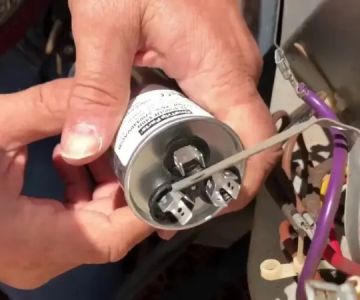
 Understanding the Role of Capacitors in Your Air Conditioner and How to Replace Them
 Pros and Cons of Trying to Who Can Fix My AC on Your Own – What You Should Know
 How to Fix Air Conditioning Without Spending a Fortune
 The Ultimate Checklist to Fix AC Successfully: Complete Guide for Homeowners
 How Long Should It Take to Fix My Air Conditioner? | Tips for Fast AC Repair
 How to Fix an Air Conditioner with Low Airflow