
- #What-Does-a-Capacitor-Do - understanding its role in AC systems
- #Types-of-Capacitors-in-Air-Conditioners - start vs run capacitor explained
- #Signs-of-a-Failing-Capacitor - how to spot problems early
- #How-to-Replace-an-AC-Capacitor - step-by-step process
- #Safety-and-Tools-Required - what you need before starting
- #Real-Homeowner-Story - lessons from a capacitor failure
- #Maintenance-and-Prevention-Tips - keeping your AC running smoothly
1. What Does a Capacitor Do?
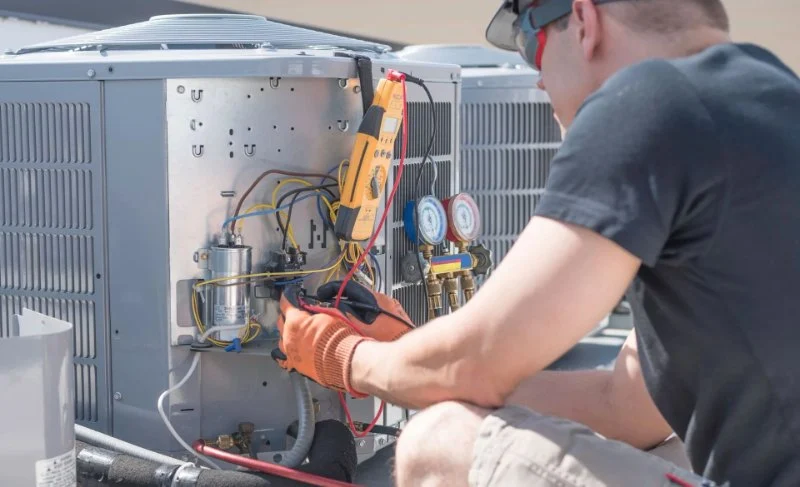
When exploring Understanding the Role of Capacitors in Your Air Conditioner and How to Replace Them, it helps to start with the basics. A capacitor is a small but essential component that stores and releases electrical energy to help your AC system start and run efficiently.

1.1 Powering key components
In simple terms, capacitors give your air conditioner the initial “boost” it needs to start motors—especially the compressor and fan. Without this boost, the system may struggle to turn on or fail entirely.
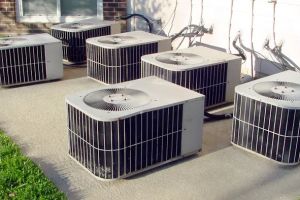
J. Austin Heating & Cooling Inc.
WeirtonHancock CountyWest Virginia
2618 Wylie Ridge Rd, Weirton, WV 26062, USA
1.2 Maintaining consistent performance
Beyond startup, capacitors also help maintain a steady electrical flow. This ensures that your AC runs smoothly without fluctuations that could damage internal components.
2. Types of Capacitors in Air Conditioners
Not all capacitors are the same, and understanding their differences is key when dealing with AC capacitor replacement.
2.1 Start capacitors
Start capacitors provide a high burst of energy to kick-start the compressor or fan motor.
2.1.1 Short-term function
They operate only during startup and then disengage once the system is running.
2.2 Run capacitors
Run capacitors, on the other hand, stay active throughout the operation of the AC system.
2.2.1 Continuous support
They help maintain consistent voltage and keep motors running efficiently over long periods.
2.3 Dual capacitors
Many modern air conditioners use dual capacitors that combine both start and run functions in a single unit, simplifying the system design.
3. Signs of a Failing Capacitor
Recognizing early warning signs can save you from more expensive repairs.
3.1 Difficulty starting the AC
If your air conditioner struggles to turn on or takes longer than usual, a weak capacitor may be the cause.
3.2 Warm air instead of cool air
A failing capacitor can prevent the compressor from running properly, leading to poor cooling performance.
3.3 Unusual noises
Clicking or humming sounds often indicate that the system is trying—but failing—to start.
3.4 Visible damage
In some cases, the capacitor may appear swollen or leaking, which is a clear sign it needs replacement.
4. How to Replace an AC Capacitor
If you’re comfortable with basic home repairs, replacing a capacitor can be manageable. However, safety should always come first.
4.1 Turn off power completely
Before doing anything, shut off power to the AC unit at both the thermostat and the breaker. This step is critical to avoid electrical shock.
4.2 Locate the capacitor
Open the access panel on your outdoor unit. The capacitor is typically a cylindrical or oval-shaped component near the compressor.
4.3 Discharge the capacitor
Even when the power is off, capacitors can hold a charge. Use an insulated screwdriver to safely discharge it.
4.4 Remove and replace
Carefully disconnect the wires, noting their positions. Install the new capacitor with the same specifications and reconnect the wires accordingly.
4.5 Test the system
Restore power and turn on the AC. If everything is working correctly, the unit should start smoothly and cool efficiently.
If you’re unsure about compatibility or sourcing parts, platforms like Ac Fix can help you find the right capacitor and professional support tailored to your system.
5. Safety and Tools Required
Working with electrical components requires caution and preparation.
5.1 Essential tools
You’ll need insulated screwdrivers, pliers, and possibly a multimeter to test the capacitor.
5.2 Protective gear
Wearing gloves and safety glasses reduces the risk of injury during the repair process.
5.3 When safety becomes a concern
If you feel uncertain at any stage, it’s always better to stop and consult a professional technician.
6. Real Homeowner Story
A homeowner in Texas shared a relatable experience during a peak summer heatwave. Their AC suddenly stopped cooling, and they assumed it was a major system failure.
6.1 The initial panic
With temperatures soaring above 100°F, they were worried about the cost of a full system replacement.
6.2 The simple fix
After some research and basic troubleshooting, they discovered the capacitor was swollen. Replacing it cost less than $50 and took under an hour.
6.3 Key lesson learned
Sometimes, what seems like a major breakdown can be resolved with a relatively simple fix—if you know what to look for.
7. Maintenance and Prevention Tips
Preventative care can extend the life of your capacitor and overall AC system.
7.1 Regular inspections
Check your AC components periodically for signs of wear or damage, especially before peak summer months.
7.2 Keep the unit clean
Dust and debris can affect performance and contribute to overheating, which may shorten capacitor lifespan.
7.3 Schedule professional servicing
Annual maintenance by an HVAC technician can identify potential issues early and keep your system running efficiently.
By truly understanding the role of capacitors in your air conditioner and how to replace them, you gain more control over your home comfort system. With the right knowledge, tools, and support from resources like Ac Fix, you can handle minor repairs confidently and avoid unnecessary expenses.

 Bufkin Mechanical Inc5.0 (5 reviews)
 Sun Coast Energy4.0 (39 reviews)
 Home Services at The Home Depot4.0 (5 reviews)
 Bowlin's Auto Repair4.0 (65 reviews)
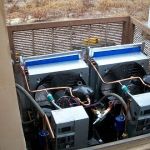 Extreme Air & Refrigeration Services4.0 (134 reviews)
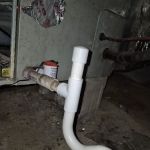 Air Pro Heating, Air & Electric5.0 (2227 reviews)
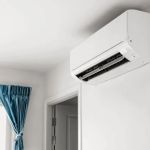 Who Should You Trust When You Need to Fix a Wall Air Conditioner?
 Affordable AC Repair Services: How to Find a Reliable and Cheap Fix
 Best AC Repair Services Near You – Expert Tips and Advice
 Experts Explain How to Fix Central Air Conditioning Unit Like a Pro
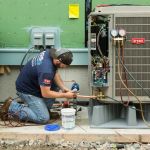 Can You Fix a Central Air Conditioning Unit Without Replacing the Entire System? | Ac Fix
 10 Signs It's Time to Fix Your Air Conditioning