
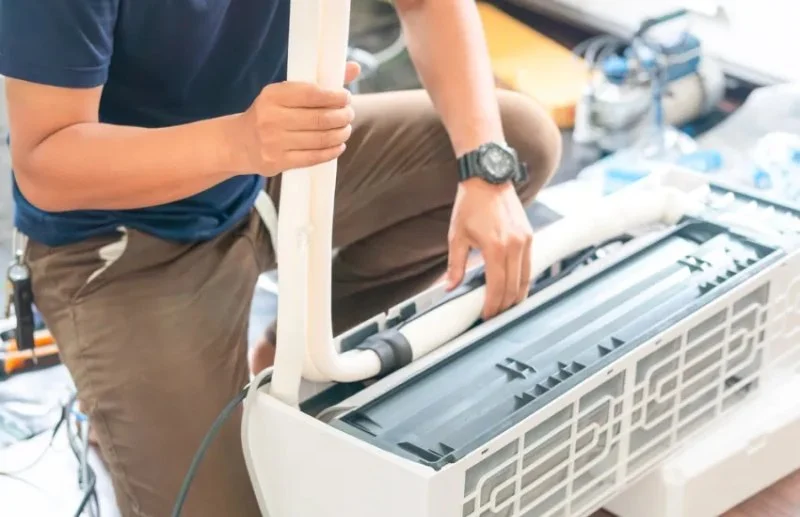
- -Understanding-Low-Refrigerant-Issues-in-Air-Conditioners
- -How-to-Diagnose-Low-Refrigerant-Problems
- -Step-by-Step-Guide-to-Addressing-Low-Refrigerant-in-Your-AC
- -Common-Mistakes-to-Avoid-When-Handling-Low-Refrigerant
- -When-to-Call-a-Professional-for-Low-Refrigerant-Issues
- -Preventing-Future-Low-Refrigerant-Problems-in-Your-AC
1. Understanding Low Refrigerant Issues in Air Conditioners
Low refrigerant is one of the most common reasons an air conditioner (AC) fails to cool effectively. If you notice that your AC isn’t keeping your space cool or is blowing warm air, low refrigerant could be the culprit. Understanding how refrigerant works and how its depletion affects your system is essential for solving these issues.
1.1 How Refrigerant Works in Your AC
Refrigerant is the substance used in the cooling cycle of your air conditioner. It absorbs heat from the indoor air and releases it outside, helping to cool your space. Without enough refrigerant, the system can’t effectively absorb heat, leading to poor cooling performance.
1.2 Causes of Low Refrigerant
There are several reasons your AC might have low refrigerant levels. The most common cause is a leak in the refrigerant lines. Over time, wear and tear or poor installation can lead to these leaks. In some cases, an AC system may be undercharged with refrigerant during installation.
1.3 Consequences of Low Refrigerant
Low refrigerant can cause your air conditioner to freeze up, making it even less effective. It can also lead to increased energy consumption, as the AC works harder to achieve the desired temperature. Left unresolved, a refrigerant leak can cause long-term damage to your AC unit.

AC Tex, LLC Air Conditioning and Heating
312 Paloma St, Weatherford, TX 76087, USA
2. How to Diagnose Low Refrigerant Problems
Identifying low refrigerant issues early can help prevent further damage to your AC system. Here’s how to diagnose low refrigerant problems in your air conditioner.
2.1 Look for Warm Air or Inadequate Cooling
If your AC is running but not cooling your home efficiently, it could be a sign that the refrigerant levels are low. You might feel warm air blowing from the vents, or the system might fail to reach the set temperature.
2.2 Check for Ice Build-Up on the Evaporator Coils
When refrigerant levels are low, your AC’s evaporator coils may freeze. If you notice ice forming on the coils or around the refrigerant lines, it’s a clear indication of a refrigerant problem.
2.3 Listen for Unusual Noises
Low refrigerant can sometimes cause your AC to make strange noises, such as a hissing sound. This could indicate a refrigerant leak.
2.4 Examine the Condenser Coils for Proper Function
If the condenser coils (outside unit) are not functioning properly or seem excessively hot, it could point to low refrigerant, as the system struggles to release absorbed heat.

3. Step-by-Step Guide to Addressing Low Refrigerant in Your AC
Once you've diagnosed low refrigerant as the problem, follow these steps to resolve it quickly and efficiently.
3.1 Turn Off the AC
Before attempting any repairs, turn off the AC to prevent further damage to the system. Running the system with low refrigerant can cause overheating and damage the compressor.
3.2 Inspect for Leaks
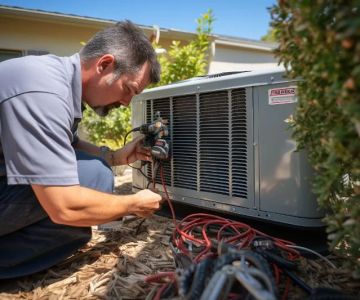
The next step is to locate any refrigerant leaks. This typically requires a professional technician who can use specialized tools like ultraviolet dye and leak detectors to find and seal any leaks in the refrigerant lines.
3.3 Recharge the System with Refrigerant
Once the leak is repaired, the refrigerant must be recharged. This process involves adding the correct type and amount of refrigerant to your AC system to restore proper function. It's important to ensure the system is charged properly, as overcharging or undercharging can cause additional issues.
3.4 Test the System
After recharging the refrigerant, turn the AC back on and test the system. Check that it is cooling effectively and that there are no signs of further leaks. You may also want to monitor the temperature to ensure it reaches the desired levels.
4. Common Mistakes to Avoid When Handling Low Refrigerant
While addressing low refrigerant issues is relatively straightforward, many people make mistakes that can lead to further complications. Here are common errors to avoid when dealing with refrigerant problems.
4.1 Trying to Fix the Leak Yourself
While you may be tempted to patch up a refrigerant leak yourself, it’s important to remember that refrigerant handling requires certification. Improper handling can not only worsen the leak but also be harmful to you and the environment.
4.2 Ignoring the Cause of the Leak
Simply recharging the refrigerant without addressing the underlying cause, such as a leak, will lead to the same problem recurring. Always ensure that any leaks are fixed before recharging.
4.3 Overcharging the System
Adding too much refrigerant can cause significant damage to your air conditioner. Always ensure that the right amount is added, as overcharging can cause the compressor to malfunction and lead to further costly repairs.
5. When to Call a Professional for Low Refrigerant Issues
While some basic troubleshooting can be done by homeowners, low refrigerant issues usually require professional attention. Here’s when you should call a technician.
5.1 When You Suspect a Leak
If you’re unable to find the source of the refrigerant loss or suspect a leak, it’s best to call a professional. They have the tools and expertise to detect leaks and ensure that the problem is properly addressed.
5.2 When the System Continues to Malfunction
If your AC continues to blow warm air or doesn’t seem to cool effectively even after recharging, it’s time to call a professional. There may be underlying issues that require more advanced repairs.
5.3 If You’re Not Comfortable Handling Refrigerant
Since refrigerants can be harmful to your health and the environment, it’s important to leave refrigerant handling to professionals. If you’re not trained to manage refrigerants, it’s always safer to seek help from an HVAC technician.
6. Preventing Future Low Refrigerant Problems in Your AC
Once your refrigerant levels have been restored, there are steps you can take to prevent future issues and extend the life of your air conditioning system.
6.1 Schedule Regular Maintenance
Regular maintenance, including system inspections and cleaning, can help prevent leaks and ensure your AC operates efficiently. This can help catch any issues before they become serious.
6.2 Check for Leaks Periodically
Have your system checked for leaks every few years. Catching small leaks early can prevent significant refrigerant loss and save you from expensive repairs.
6.3 Maintain Proper Airflow
Ensure that air can flow freely through your AC unit by keeping the filters clean and maintaining the condenser coils. This reduces strain on the system and helps it operate more efficiently.
For more tips and professional assistance in handling low refrigerant issues, visit Ac Fix for reliable solutions and services.


 Ashworth's Heating & Cooling Inc.4.0 (45 reviews)
 Cartwright Heat & Air4.0 (78 reviews)
 7 DAYS Air Conditioning & Heating4.0 (13 reviews)
 Ferguson HVAC4.0 (52 reviews)
 Ingenuity Air4.0 (89 reviews)
 Hope Mechanical Heat & Air5.0 (4 reviews)
 How Much Does It Really Cost to Fix an AC Condenser?
 代码How to Clean Your Air Conditioning Coils for Better Cooling Performance
 Can You Fix an AC Condenser Without Replacing the Entire System? Insights and Solutions
 The Ultimate Checklist to Fix Air Conditioner Near Me Successfully
 The Ultimate Checklist for Fixing Air Conditioning Successfully
 10 Signs It’s Time to Cheap AC Fix Before Bigger Problems Start