
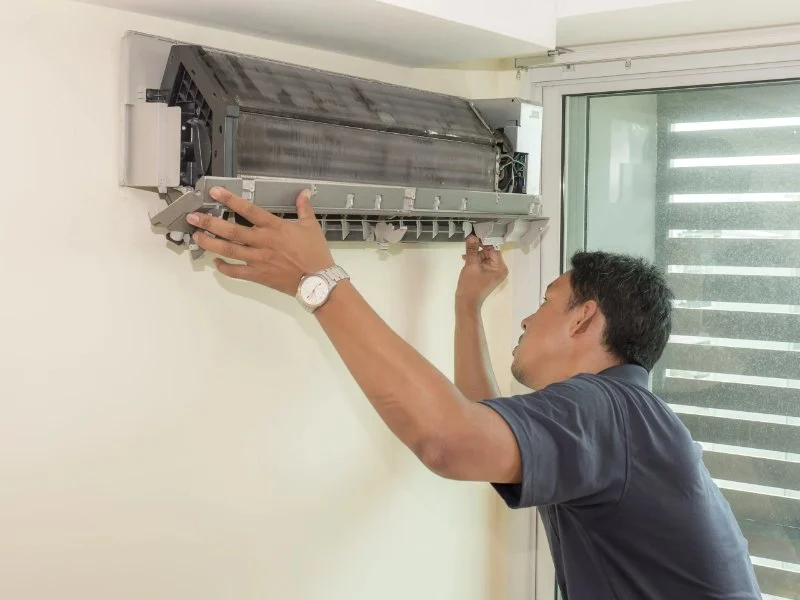
Understanding Air Conditioner Water Leaks
Water leaks from your air conditioner are more than just an inconvenience—they can lead to significant damage if left unaddressed. AC water leaks typically occur due to clogged drains, dirty filters, or other internal malfunctions. If left unchecked, water damage can affect your walls, floors, and even the structural integrity of your home. Understanding why these leaks happen and how to address them is key to preventing costly repairs.
Common Causes of Air Conditioner Water Leaks
Several factors can cause water leaks in your air conditioning system. Here are some of the most common culprits:
- Clogged Drain Line: The most common cause of AC water leaks is a clogged condensate drain line. The drain line carries the moisture collected by your air conditioner’s evaporator coil. Over time, algae, dirt, and debris can block this line, causing water to back up and leak out.
- Dirty or Clogged Air Filters: When air filters become clogged, airflow is restricted. This can cause the coils to freeze, and when the ice melts, it can lead to excess water that overflows and leaks out.
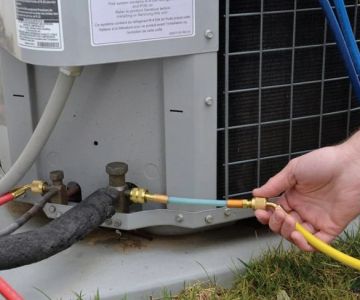
- Low Refrigerant Levels: If your AC has a refrigerant leak, it can cause the evaporator coils to freeze. Once the ice melts, the resulting water may leak into your home.
- Damaged Drain Pan: The drain pan collects water that drips from the coils. If the pan is cracked or damaged, it can cause water to leak into your system or onto the floor.
- Poor Installation or Maintenance: If your air conditioner is improperly installed or not regularly maintained, issues such as water leaks are more likely to occur. Misaligned pipes, improperly sealed connections, or a lack of regular servicing can all contribute to leaks.
How to Handle Water Leaks in Your AC System
If you notice water leaking from your air conditioner, it's essential to take action quickly. Here are steps you can take to manage and fix the problem:
- Turn Off the AC: The first thing you should do when you notice water leaking is to turn off the air conditioner. This prevents further water damage and allows you to safely inspect the system.
- Check the Drain Line: Inspect the condensate drain line for any blockages. If it’s clogged, try using a wet/dry vacuum to suck out the debris. Alternatively, you can use a plumber’s snake or a mixture of water and vinegar to clear the line.
- Replace or Clean the Air Filter: If the air filter is dirty, replace it or clean it thoroughly. This will help ensure proper airflow, preventing ice from forming on the coils.
- Inspect the Drain Pan: Check the drain pan for any cracks or damage. If the pan is cracked, it may need to be replaced to prevent further leaks.
- Defrost the Coils: If your coils are frozen, allow them to thaw out completely before turning the AC back on. Ensure that the refrigerant level is correct and that there are no leaks in the system.
Preventing Water Damage from AC Leaks
Once you’ve handled the immediate issue of water leakage, it’s important to take steps to prevent future problems. Here are some preventive measures you can implement:
- Regular Maintenance: Schedule regular maintenance for your air conditioner, including cleaning the coils, replacing filters, and inspecting the condensate drain line. Routine maintenance can help identify problems before they cause damage.
- Install a Drain Safety Switch: A drain safety switch detects any backup in the condensate drain and shuts off the air conditioner to prevent leaks. Installing one of these switches can save you from future water damage.
- Monitor Water Leaks: Keep an eye on your AC unit, especially during the summer months when it’s working harder. Check for any signs of water accumulation around the unit or the air handler, and address problems as soon as they arise.
- Upgrade Your AC System: If your system is old or frequently experiences leaks, it may be time to upgrade to a newer, more reliable unit. Modern AC systems are designed to be more efficient and have better safeguards against water leaks.
When to Call a Professional for AC Leaks
If you’ve tried to fix the water leak yourself but it persists, it’s time to call a professional. Here are signs that you should reach out to an HVAC technician:
- If you cannot locate the source of the leak or if the water damage continues despite your efforts to fix it.
- If the refrigerant levels are low, which may require a professional to refill and check for leaks in the refrigerant line.
- If your AC is making strange noises or showing signs of other mechanical failure, which could be indicative of a larger issue.
Real Case Study: Handling AC Water Leaks
A family in New York noticed water pooling around their air conditioner during the summer months. After turning off the unit, they discovered that the condensate drain line was clogged, and the drain pan was cracked. They attempted to clear the line but were unable to resolve the issue completely. After calling a professional, the technician replaced the damaged pan, cleaned the lines thoroughly, and checked the refrigerant levels. The system was restored to full functionality, and the family was able to avoid extensive water damage.
If you need professional help handling air conditioner water leaks or for maintenance tips, visit Ac Fix for expert services.
 York Heating And Air Conditioning0.0 (0 reviews)
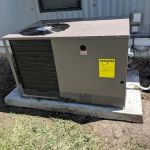 Miller's Wholesale Dist. & AC3.0 (31 reviews)
 Goodman Manufacturing Co3.0 (12 reviews)
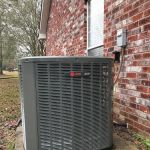 Murry's AC, Heating, & Electrical5.0 (151 reviews)
 Spartan Heating & Air, LLC5.0 (11 reviews)
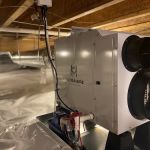 The Comfort Squad5.0 (6 reviews)
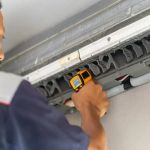 How to Fix Air Conditioner Leaks and Prevent Future Issues
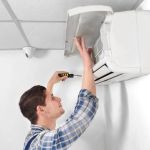 How to Choose a Trusted Technician for Your Wall Air Conditioner Repair
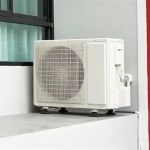 Complete Guide: Air Conditioning Replace for Homeowners in 2025 | Ac Fix
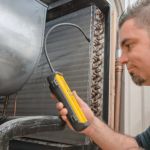 How to Fix Air Conditioner Refrigerant Leaks Quickly and Effectively
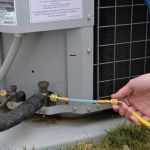 How to Solve Refrigerant Leaks in Your Air Conditioner
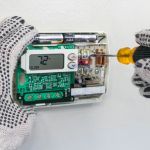 Troubleshooting an Air Conditioner with a Faulty Control Board – A Step-by-Step Guide