
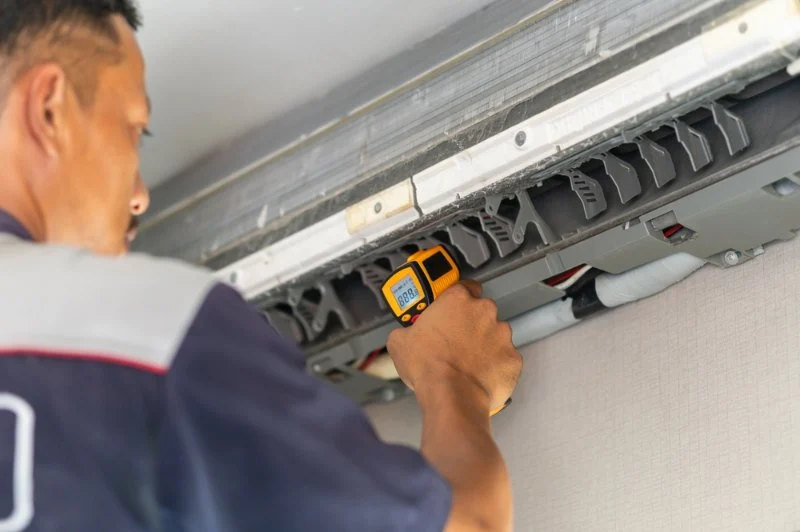
How to Fix Air Conditioner Leaks and Prevent Future Issues
- 1. Understanding AC Leaks and Their Causes
- 2. How to Detect Air Conditioner Leaks
- 3. Steps to Fix Air Conditioner Leaks
- 4. How to Prevent Future Air Conditioner Leaks
- 5. Real-Life Case Study: Fixing an AC Leak
- 6. Where to Find the Best Tools for AC Repair
1. Understanding AC Leaks and Their Causes
Air conditioner leaks are a common issue that homeowners face, but understanding their causes is the first step toward effective repair and prevention. Leaks can occur in several parts of your AC unit, and they’re often the result of poor maintenance or system malfunctions. The two most common types of leaks are refrigerant leaks and water leaks. Here's an overview of what causes each type:
- Refrigerant Leaks: These occur when the refrigerant, which is essential for the cooling process, escapes from the system due to damaged or corroded coils or tubing. Low refrigerant levels can cause the AC to blow warm air and eventually damage the compressor.
- Water Leaks: These leaks happen when the condensate drain is clogged or the evaporator coil freezes. When the system is running, it produces condensation, which is supposed to be drained away. If the drainage system is blocked, water can accumulate inside the unit and cause leaks.
2. How to Detect Air Conditioner Leaks
Identifying an air conditioner leak early can save you a lot of time and money on repairs. Here are some common signs that indicate your AC may have a leak:
- Warm Air: If your AC is blowing warm air instead of cool air, it could be due to a refrigerant leak.
- Increased Humidity: Excess moisture or humidity inside the room could indicate a water leak from the condensate drain or evaporator coil.
- Pooling Water: If you see water pooling around your air conditioning unit, it's likely that there’s a clog or issue with the condensate drain system.
- Ice Formation: Ice on the evaporator coil or refrigerant lines is a sign that the AC system is low on refrigerant or there is a blockage in the airflow.
- Unusual Noises: Hissing or bubbling sounds may indicate a refrigerant leak, as gas escapes from the unit.
3. Steps to Fix Air Conditioner Leaks
Fixing air conditioner leaks can be a DIY project or may require professional assistance, depending on the severity of the issue. Here are the general steps you can take to fix an AC leak:
- Turn Off the AC: Before you start any repairs, always turn off your air conditioning unit to avoid further damage or injury.
- Check for Water Leaks: If the issue is water-related, inspect the condensate drain for any blockages. You can clear a clogged drain by using a wet/dry vacuum or a plumber’s snake. Make sure the drain pan is also clear and not cracked.
- Check Refrigerant Levels: If your system is low on refrigerant, you’ll need to have it recharged. Refrigerant leaks should be handled by a professional, as they require specialized equipment and knowledge to properly refill the system.
- Inspect Coils and Tubing: Examine the evaporator coil and refrigerant lines for any visible damage, rust, or corrosion. If you find any holes or cracks, these will need to be repaired or replaced to stop the refrigerant from leaking.
- Professional Help: If the leak is significant or if you are not comfortable making the repair, it’s best to call an HVAC technician. A professional will have the right tools and expertise to fix the leak and ensure your AC is working properly.
4. How to Prevent Future Air Conditioner Leaks
Preventing future air conditioner leaks involves proper maintenance and attention to your AC unit throughout the year. Here are some proactive steps you can take:
- Regular Maintenance: Schedule annual inspections and maintenance with a licensed HVAC technician to ensure your AC is in optimal condition. This will help catch small issues before they become major problems.
- Change Air Filters: Dirty or clogged air filters can restrict airflow and lead to frozen coils or water buildup. Change your air filters regularly to maintain efficient operation.
- Clean the Condensate Drain: Ensure that the condensate drain is free of debris and clogs. Regularly clean the drain line to prevent water buildup and potential leaks.
- Seal Ducts and Insulate Refrigerant Lines: Make sure all ducts are properly sealed and insulated to avoid energy loss. Insulating refrigerant lines can help prevent condensation from forming on the lines.
- Monitor Refrigerant Levels: Keep track of refrigerant levels and ensure that your AC isn’t losing refrigerant due to leaks. Low refrigerant can cause inefficiency and long-term damage.
5. Real-Life Case Study: Fixing an AC Leak
John, a homeowner in Florida, experienced a refrigerant leak in his air conditioning unit during the summer months. His AC stopped cooling effectively, and he noticed a hissing sound coming from the unit. After calling a technician, they found a small hole in the refrigerant line, which was causing the refrigerant to leak out. The technician replaced the damaged line and recharged the system. To prevent future issues, John also scheduled regular maintenance to ensure his system stayed in top shape throughout the year.
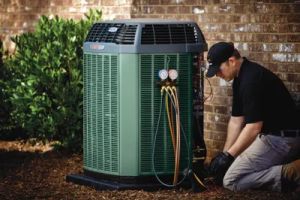
Integrity Services Heating and Cooling
500 Beltline Rd SW, Decatur, AL 35603, USA
6. Where to Find the Best Tools for AC Repair
If you’re planning to fix an AC leak yourself or want to maintain your system, having the right tools is essential. Visit Ac Fix to find high-quality tools for HVAC maintenance, including refrigerant leak detectors, vacuum pumps, and gauges. With the right equipment, you can ensure your air conditioner operates efficiently and remains leak-free.



 Denson Heating & Air Conditioning Co4.0 (98 reviews)
 Peach State Air Conditioning0.0 (0 reviews)
 Complete Comfort Heating & Air4.0 (173 reviews)
 Air Quality Air Conditioning And Heating Repair5.0 (232 reviews)
 Simpson Heating & Air Conditioning5.0 (2 reviews)
 Climatech Heating & Cooling4.0 (939 reviews)
 2025 Trends: How People Are Choosing Who Can Fix My Air Conditioner Now
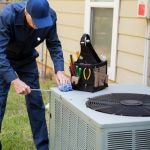 Complete Guide: Fix AC Unit for Homeowners in 2025
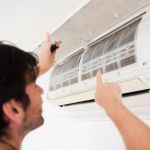 Pros and Cons of Trying to Fix Your AC Yourself vs Professional Repair
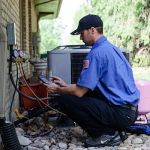 Experts Explain How to Fix Central Air Conditioning Unit Like a Pro
 Immediate Steps to Fix Air Conditioning When It Breaks Down
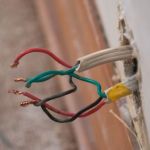 How to Solve AC Problems with Faulty Electrical Wiring