
- 1- Understanding the Causes of Air Conditioner Leaks
- 2- Common Signs of Air Conditioner Leaks
- 3- How to Fix Air Conditioner Leaks
- 4- Preventing Future Air Conditioner Leaks
- 5- When to Call a Professional for AC Leaks
1- Understanding the Causes of Air Conditioner Leaks
Air conditioner leaks are a common issue that can lead to serious damage if not addressed properly. Understanding the causes of these leaks is the first step in preventing costly repairs. Here are some of the most common causes of air conditioner leaks:
- Clogged Condensate Drain: The condensate drain in your AC system is responsible for carrying excess moisture away. If the drain is clogged, water can back up and leak out, causing damage to walls, floors, and ceilings.
- Frozen Coils: When the evaporator coils freeze, water can build up and eventually leak. This can be caused by low refrigerant levels, poor airflow, or a dirty air filter.
- Dirty or Damaged Coils: If the coils are dirty or damaged, they can't effectively absorb and transfer heat. This can lead to excess moisture buildup and leaks.
- Improper Installation: An incorrectly installed air conditioner can result in poor drainage and leaks. This is especially common in window units or portable AC systems.
2- Common Signs of Air Conditioner Leaks
Recognizing the signs of an air conditioner leak early can save you time and money on repairs. Here are some common symptoms of air conditioner leaks:
- Water Pooling Around the Unit: If you notice water pooling around your air conditioner, this is a clear sign of a leak. The water may be coming from a clogged condensate drain or frozen coils.
- Increased Humidity: An AC unit that isn’t properly draining moisture can cause increased humidity in your home. If you notice excessive moisture or dampness in the air, it could be due to a leaking air conditioner.
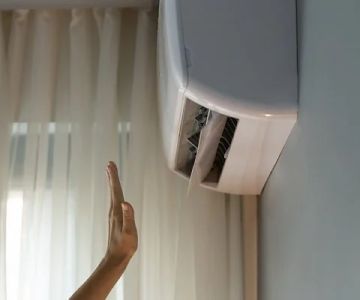
- Reduced Cooling Efficiency: A leaking AC system may struggle to cool your space properly. You might notice warm air coming from the vents or the unit running constantly without achieving the desired temperature.
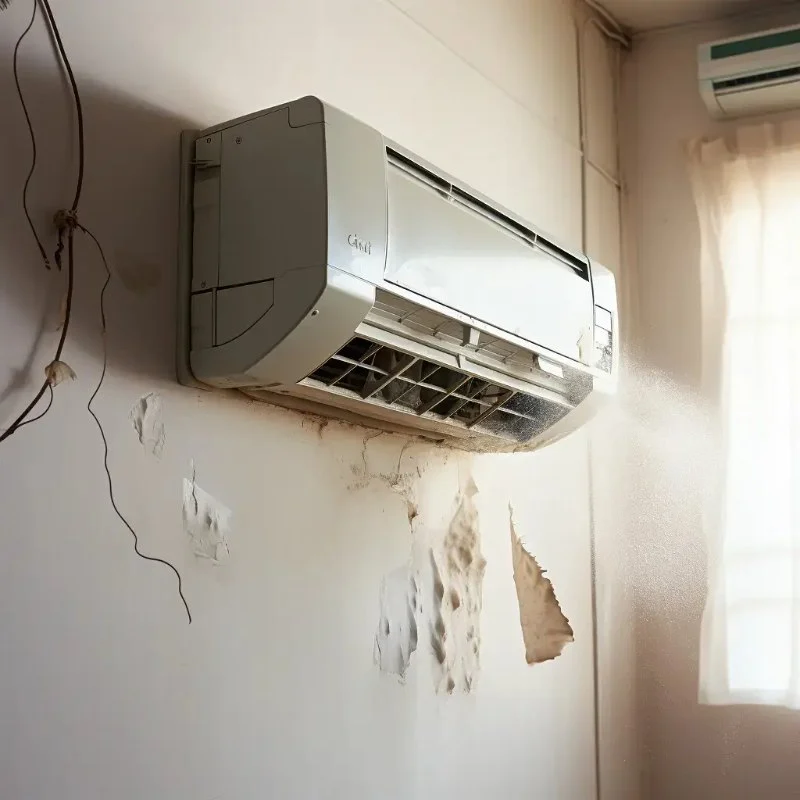
- Visible Water Stains or Damage: If you spot water stains on walls, ceilings, or floors near your AC unit, it’s likely a result of a leak. The stains may appear yellowish or brown as the water seeps into surfaces.
3- How to Fix Air Conditioner Leaks
Fixing an air conditioner leak is a process that requires some basic maintenance skills. Here’s a step-by-step guide to help you solve common AC leaks:
- Step 1: Turn Off the Power: Before working on your AC unit, always turn off the power to avoid electrical hazards. This can be done by switching off the circuit breaker or unplugging the unit.
- Step 2: Clean the Condensate Drain: A clogged condensate drain is one of the most common causes of AC leaks. Use a wet/dry vacuum to remove any debris from the drain line. You can also flush the line with a mixture of water and vinegar to help clear any blockages.
- Step 3: Inspect and Clean the Coils: Dirty evaporator and condenser coils can cause ice buildup and lead to leaks. Use a soft brush or coil cleaner to remove dust and debris. If the coils are severely damaged, you may need to call a professional for repairs.
- Step 4: Check for Refrigerant Leaks: If your coils freeze frequently, it could be a sign of low refrigerant. This is a more complex issue that may require a professional to fix. A technician can check for leaks and refill the refrigerant if necessary.
- Step 5: Repair Any Cracks or Holes: If you notice any cracks or holes in the unit’s components, seal them with waterproof tape or caulk to prevent further leakage.
4- Preventing Future Air Conditioner Leaks
Preventing future leaks is just as important as fixing existing ones. Regular maintenance and smart habits can keep your AC running smoothly and prevent costly repairs. Here are some prevention tips:
- Regularly Clean the Condensate Drain: Cleaning your condensate drain every few months will ensure it remains clear and functional. This is one of the simplest ways to prevent water leaks in your AC system.
- Replace Air Filters Regularly: Clogged air filters can cause poor airflow, which can lead to freezing coils and water buildup. Replace filters every 1-3 months to maintain airflow and prevent issues.
- Schedule Annual AC Maintenance: Have your AC unit inspected and serviced by a professional at least once a year. Regular maintenance will help identify potential issues before they become major problems.
- Monitor Humidity Levels: High humidity can contribute to water buildup in your AC system. Use a dehumidifier in particularly humid areas of your home to reduce strain on your AC unit.
5- When to Call a Professional for AC Leaks
While some air conditioner leaks can be fixed by homeowners, certain situations require professional help. Here’s when you should call an expert:
- Refrigerant Leaks: If you suspect a refrigerant leak, it’s important to call a licensed HVAC professional. Handling refrigerant requires special training, and low levels can damage your AC unit.
- Severe Water Damage: If your AC leak has caused significant water damage to walls, ceilings, or floors, it’s best to consult a professional for both the repair and any necessary restoration work.
- Frozen Coils: If your AC unit’s coils are freezing regularly, it could indicate a deeper issue with the refrigerant levels or airflow. An HVAC technician can diagnose the problem and provide an effective solution.
- Complex Repairs: If the leak involves complicated repairs or requires replacing major components, hiring a professional will save you time and ensure the job is done correctly.


 Denson Heating & Air Conditioning Co4.0 (98 reviews)
 Peach State Air Conditioning0.0 (0 reviews)
 Complete Comfort Heating & Air4.0 (173 reviews)
 Air Quality Air Conditioning And Heating Repair5.0 (232 reviews)
 Simpson Heating & Air Conditioning5.0 (2 reviews)
 Climatech Heating & Cooling4.0 (939 reviews)
 2025 Trends: How People Are Choosing Who Can Fix My Air Conditioner Now
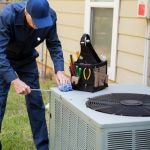 Complete Guide: Fix AC Unit for Homeowners in 2025
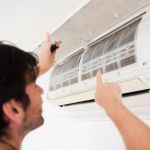 Pros and Cons of Trying to Fix Your AC Yourself vs Professional Repair
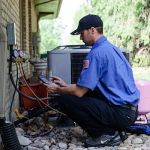 Experts Explain How to Fix Central Air Conditioning Unit Like a Pro
 Immediate Steps to Fix Air Conditioning When It Breaks Down
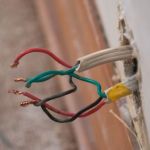 How to Solve AC Problems with Faulty Electrical Wiring