
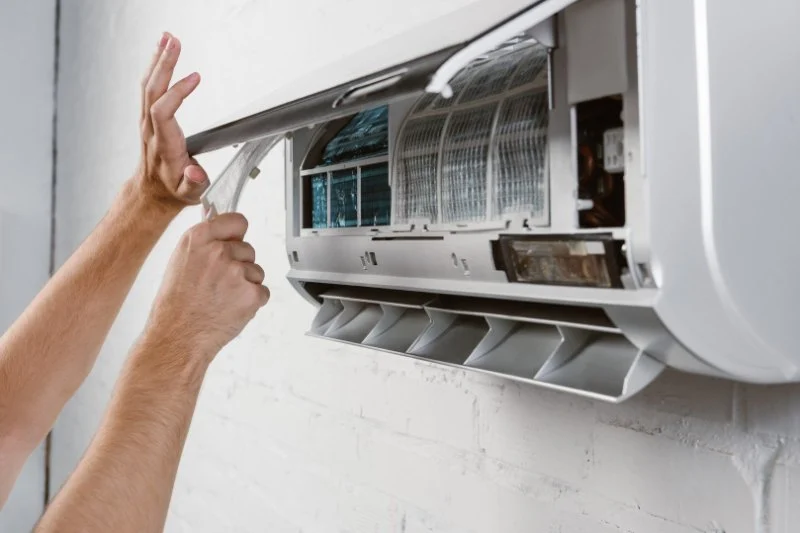
- Signs of Low Coolant in Your AC
- Understanding the Coolant and Cooling System
- How to Check for Low Coolant in Your AC
- Steps to Add Coolant to Your AC
- When to Call a Professional for AC Repairs
- Real-Life Case Study of AC Cooling Issues
1. Signs of Low Coolant in Your AC
When your air conditioner is experiencing insufficient cooling, one of the most common culprits is low refrigerant (coolant) levels. Understanding the signs of low coolant is essential for diagnosing the problem before it leads to more severe issues with your AC system. Here are some signs that indicate your AC may be running low on coolant:

All Weather Heating and Cooling
MartinezColumbia CountyGeorgia
4002 Enterprise Ct, Martinez, GA 30907, USA
1.1- Warm Air Blowing from Vents
If your AC is blowing warm air instead of cool air, this may be an indication that the coolant is low. Refrigerant is responsible for absorbing heat from the air inside your home and releasing it outside. When the refrigerant is insufficient, your system can no longer properly cool the air, resulting in warm air blowing from the vents.

1.2- Ice Formation on the Coils
Another clear sign of low coolant is ice forming on the evaporator coils. When there isn’t enough refrigerant, the pressure in the evaporator coil drops, causing the coil to freeze. If you notice ice or frost on the coil or the refrigerant lines, this is a strong indicator of low coolant.
1.3- High Energy Bills
If your AC is running inefficiently due to low coolant, it will have to work harder to cool your home. This often leads to an increase in energy consumption and, consequently, higher electricity bills. If you’ve noticed a sudden spike in your energy costs, low coolant may be to blame.
2. Understanding the Coolant and Cooling System
To effectively address low coolant issues, it’s important to understand how your air conditioning system works. Coolant, also known as refrigerant, is a chemical compound that circulates through the AC unit. It absorbs heat from the indoor air and releases it outside. The coolant is essential for the cooling process, and a drop in refrigerant levels can cause your AC to stop cooling efficiently.
2.1- How the Refrigerant Works in Your AC
In a typical air conditioning system, the refrigerant is pumped through a closed loop. It absorbs heat from inside your home at the evaporator coils, then travels to the compressor where it is pressurized. This high-pressure refrigerant then moves to the condenser coils outside your home, where it releases the absorbed heat. The refrigerant then returns to the evaporator to repeat the cycle. If the refrigerant level is low, this process is disrupted, causing your AC to cool less effectively.
2.2- Causes of Low Coolant Levels
Low coolant levels in your AC are typically caused by leaks in the system. These leaks can occur in various parts of the AC, including the evaporator coils, condenser coils, or refrigerant lines. Over time, wear and tear or improper installation can lead to refrigerant leaks. Additionally, the coolant may gradually degrade, reducing its efficiency. Regular maintenance and timely repairs can help prevent these issues from escalating.
3. How to Check for Low Coolant in Your AC
If you suspect that your air conditioner is low on coolant, the first step is to confirm the issue. Here’s how to check for low coolant levels in your AC:
3.1- Visual Inspection for Leaks
Start by visually inspecting your AC system for any signs of leakage. Look for oil stains around the refrigerant lines or on the evaporator and condenser coils. A refrigerant leak is often accompanied by an oily residue, which can indicate a problem with the system. However, leaks may not always be visible, so you may need to take additional steps to confirm the issue.
3.2- Use a Manifold Gauge
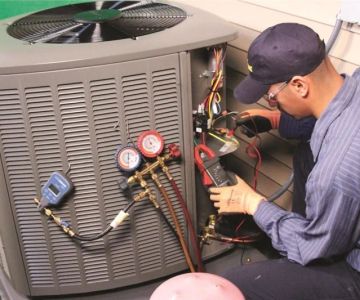
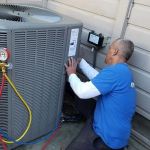
For a more accurate diagnosis, use a manifold gauge to measure the pressure in your AC system. Low refrigerant levels will show up as low pressure on the gauge. If the pressure is below the manufacturer’s recommended range, it’s likely that your system is low on coolant. However, this method requires some technical knowledge, so if you're unsure, it’s best to call a professional.
3.3- Check for Ice or Frost
Another indicator of low coolant is the formation of ice or frost on the evaporator coils or refrigerant lines. If you notice this, it’s a clear sign that your system is not functioning properly due to low coolant. If ice is present, turn off your AC to allow it to thaw before proceeding with further diagnostics or repairs.
4. Steps to Add Coolant to Your AC
If you’ve confirmed that your AC is low on coolant, adding more refrigerant is necessary to restore proper cooling. Here’s how you can add coolant to your air conditioner:
4.1- Turn Off the AC and Locate the Service Valve
Before adding coolant, turn off your AC unit and unplug it from the power source to ensure safety. Locate the low-pressure service valve on your AC system, typically found on the larger refrigerant line (suction line). This is where you will connect the refrigerant canister.
4.2- Attach the Refrigerant Canister
Using the correct refrigerant for your AC system, attach the refrigerant canister to the low-pressure service valve. Ensure the canister is connected securely before proceeding. Be sure to check your AC’s specifications to ensure compatibility with the type of refrigerant you are using.
4.3- Add Refrigerant Slowly
Slowly release the refrigerant into the system while monitoring the pressure gauge to ensure you don’t overfill the system. Adding too much refrigerant can cause further damage. Follow the manufacturer’s recommended pressure levels for your specific AC model. Once the refrigerant is added, detach the canister and replace the valve cap.
4.4- Test the System
Turn your AC back on and test its cooling performance. If the air conditioner is blowing cool air and there is no ice formation on the coils, you’ve likely resolved the issue. Monitor the system for the next few hours to ensure that it continues to work properly.
5. When to Call a Professional for AC Repairs
While adding coolant to your AC can be done as a DIY task, some situations require the expertise of a professional. If you're not comfortable handling refrigerant or if the system continues to malfunction despite adding coolant, it’s best to call an expert.
5.1- Persistent Leaks
If your AC continues to lose refrigerant, it’s likely that there’s a persistent leak somewhere in the system. In these cases, a professional technician will need to locate and repair the leak before refilling the system with refrigerant.
5.2- Low Coolant After DIY Fix
If you’ve tried adding coolant yourself and the system still isn’t cooling properly, there may be a more complex issue at play. Professionals can perform a more thorough diagnostic to identify issues like a failing compressor, clogged coils, or malfunctioning components.
6. Real-Life Case Study of AC Cooling Issues
Consider the case of a homeowner in Arizona whose air conditioner stopped cooling during a heatwave. After noticing warm air blowing from the vents, the homeowner used a manifold gauge to check the refrigerant pressure, confirming that it was low. After adding refrigerant, the AC cooled properly for several days, but the problem resurfaced shortly afterward. A professional technician later found a small leak in the refrigerant line, which required welding and sealing. The homeowner's decision to hire a professional saved them time and money in the long run.
6.1- Lessons Learned
This example demonstrates the importance of properly diagnosing the issue and knowing when to call a professional. While DIY fixes can be effective in the short term, professional help is often necessary for more complex issues like leaks or system failures.
Conclusion
Low coolant and insufficient cooling are common issues that can often be resolved with the right tools and knowledge. By diagnosing the problem, adding refrigerant, and maintaining your AC system properly, you can restore cooling efficiency. However, if the issue persists or if you encounter more complex problems, it’s always best to consult with a professional technician. For expert advice and resources on fixing your air conditioner, visit Ac Fix for the best products and services.


 Butler Heating & A/C Inc.4.0 (43 reviews)
 Donald Guy Heating & Cooling, Inc.4.0 (127 reviews)
 Baker Distributing Company4.0 (11 reviews)
 Strittmatter Plumbing, Heating and AC | Highland Village, TX4.0 (544 reviews)
 Ward Mechanical Equipment Inc0.0 (0 reviews)
 Howell's Heating & Air Conditioning4.0 (1681 reviews)
 How Much Does It Really Cost to Fix Air Conditioning Leak?
 Top Ways to Replace Your Air Conditioning Quickly and Affordably in Your Area
 Can You Fix an AC Condenser Without Replacing the Entire System? Insights and Solutions
 Understanding the Importance of Regular AC Maintenance for Long-Lasting Performance
 Best AC Repair Services Near You – Expert Tips and Advice
 The Ultimate Checklist to Fix Air Conditioner Near Me Successfully