
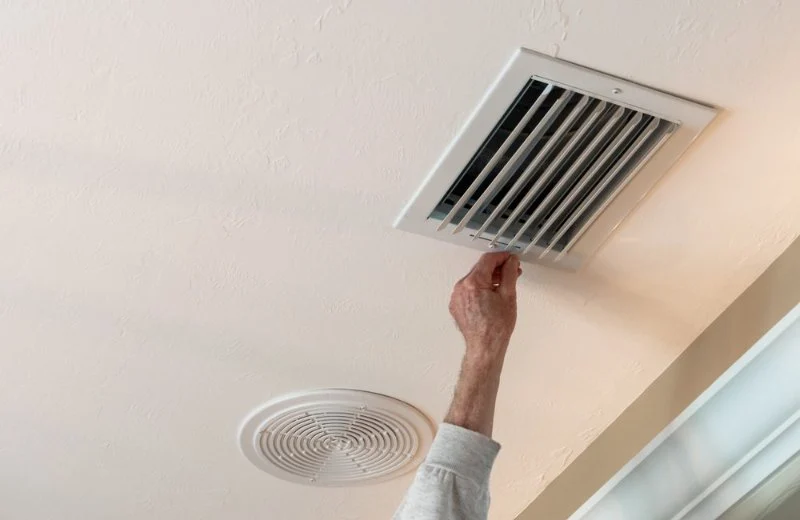
1- Understanding Airflow Problems in Air Conditioners
Airflow issues are one of the most common problems homeowners face with their air conditioning systems. When airflow is restricted or insufficient, it can significantly reduce the efficiency of the system, leading to poor cooling and higher energy bills. Low airflow is often a sign of underlying issues such as dirty filters, blocked vents, or problems with the fan. Identifying the cause of the problem and addressing it promptly is essential for restoring optimal performance.

2- Common Causes of Low Airflow in Air Conditioners
Before diving into troubleshooting, it’s important to understand the common causes of low airflow in air conditioners. The most frequent culprits include:
- 1. Clogged Air Filters – One of the most common reasons for reduced airflow is dirty or clogged air filters. When filters are blocked, they prevent air from circulating properly, which affects the system’s ability to cool effectively.
- 2. Blocked or Closed Vents – Vents that are closed or obstructed by furniture, curtains, or debris can restrict the airflow throughout the room and reduce cooling efficiency.
- 3. Low Refrigerant Levels – Insufficient refrigerant can cause the air conditioner to blow warm air, affecting the overall airflow and cooling capacity of the system.
- 4. Dirty Coils – Both the evaporator and condenser coils play a crucial role in heat exchange. If these coils are covered in dirt or grime, they can prevent proper airflow and hinder the cooling process.
- 5. Faulty Blower Fan – The blower fan is responsible for circulating air through the ducts. If the fan is malfunctioning or damaged, it can lead to poor airflow and reduced cooling performance.
3- How to Fix Low Airflow and Blocked Vents
Now that you understand the common causes of low airflow, let's look at the troubleshooting steps you can take to fix the problem. Here are the most effective solutions:
- 1. Change or Clean the Air Filters – If you haven’t changed the air filter in a while, it’s time to do so. Dirty filters are the primary cause of restricted airflow, so replacing them with clean ones can instantly improve performance. If your filters are reusable, wash them thoroughly to ensure optimal airflow.
- 2. Check and Clear the Vents – Make sure all vents are open and unobstructed. Move furniture, rugs, or other objects away from vents to ensure that air can flow freely. If you notice dirt or debris in the vents, use a vacuum or a soft brush to clean them.
- 3. Inspect the Ductwork – Leaks or blockages in the ductwork can reduce airflow. Check for any visible damage, such as holes or disconnections, and seal them with duct tape or call a professional for repairs.
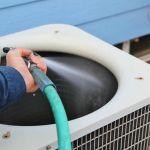
- 4. Clean the Coils – Over time, dirt and dust can accumulate on the coils, which reduces the efficiency of the air conditioner. Turn off the power to the unit and clean the coils using a coil cleaner or a soft brush. If you're unsure about cleaning the coils yourself, hire a professional HVAC technician to do it for you.
- 5. Check the Refrigerant Levels – If the refrigerant is low, your air conditioner may not be able to cool effectively. This usually requires professional service to recharge the refrigerant and ensure the system is working properly.
4- Real-Life Example: Solving Low Airflow Issues
Take the example of John, a homeowner who noticed his air conditioner wasn’t cooling his home as effectively as it used to. After inspecting the system, he found that the air filters were clogged and the vents were blocked by furniture. By replacing the filters and clearing the vents, John was able to restore proper airflow, improving the cooling efficiency and reducing energy consumption. A simple maintenance routine, including checking the filters and vents, helped him avoid costly repairs and enjoy a more comfortable home.
5- Preventing Future Airflow Problems
Once you've fixed the current airflow problem, it’s important to implement a regular maintenance routine to prevent future issues. Here are some tips to keep your air conditioner running efficiently:
- 1. Regular Filter Maintenance – Check and replace your air filters every 1-3 months, depending on usage and the type of filter. A clean filter ensures smooth airflow and better performance.
- 2. Schedule Annual Professional Maintenance – Have a professional HVAC technician inspect your air conditioner annually. They can clean the coils, check refrigerant levels, and identify potential issues before they become major problems.
- 3. Maintain Proper Ventilation – Keep vents clear of obstructions and ensure that the airflow is not hindered by furniture or clutter. Regularly inspect the ducts for leaks or blockages.
6- Conclusion: Maintaining Proper Airflow for Optimal Performance
Low airflow and blocked vents are common issues in air conditioners that can impact cooling efficiency. By performing regular maintenance, cleaning filters and vents, and addressing any mechanical issues promptly, you can restore proper airflow and ensure your system operates at its best. For more tips on air conditioner maintenance and troubleshooting, visit Ac Fix for the best products and expert advice to keep your AC running smoothly throughout the year.


 Shindi Heating and Air LLC4.0 (118 reviews)
 Air Pro AC & Heating4.0 (804 reviews)
 Lanham's Air Conditioning4.0 (9 reviews)
 Cool Experts4.0 (90 reviews)
 Peak Performance Heating & AC Repair5.0 (1 reviews)
 GRS Plumbing Heating and Air5.0 (99 reviews)
 How Long Should It Take to Fix Your AC on a Budget?
 The Ultimate Checklist for Finding Who Can Fix My AC Successfully
 Experts Explain How to Fix AC Unit Like a Pro – Professional Tips and Real Cases
 How to Clean Your Air Conditioning Coils for Better Cooling Performance
 How to Fix an Air Conditioner with Low Airflow
 What to Do When You Need Someone Who Can Fix My AC Immediately