
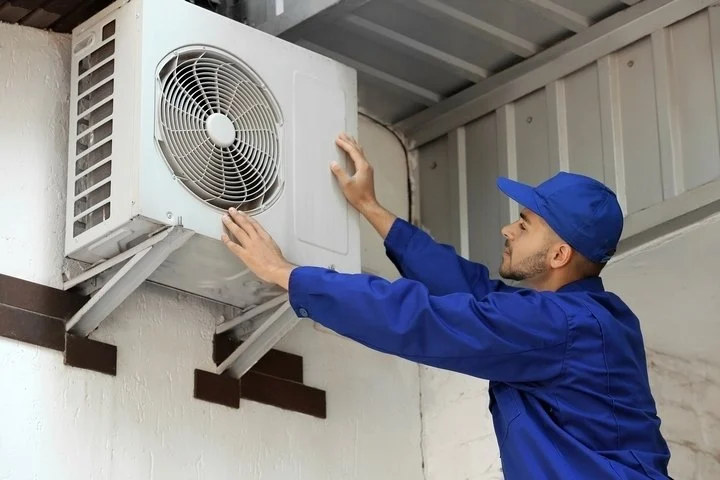
How to Solve Air Conditioner Low Airflow Issues
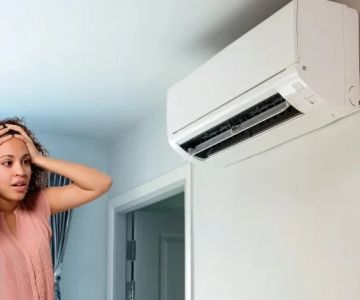
Low airflow in an air conditioning system can significantly affect its performance and your comfort. If you notice that your AC isn’t blowing air as powerfully as it should, or if some rooms are cooler than others, it might be time to investigate the cause of the issue. This guide will walk you through common causes of low airflow and the best solutions to get your system back to optimal performance.
- 1. Why Low Airflow Happens in Your AC
- 2. Key Solutions to Increase Airflow in Your AC
- 3. Common Causes of Low Airflow and How to Fix Them
- 4. When to Call a Professional for Low Airflow Issues
1. Why Low Airflow Happens in Your AC
Low airflow in an air conditioning system is often a sign of an underlying problem. Understanding the common causes of poor airflow can help you address the issue before it worsens. In general, airflow problems can arise due to several factors, including blockages, dirty components, or system malfunctions. Addressing these causes quickly will not only improve comfort but can also save money on future repairs.
2. Key Solutions to Increase Airflow in Your AC
There are several strategies you can try to restore optimal airflow in your air conditioning system. Here are the most effective solutions:
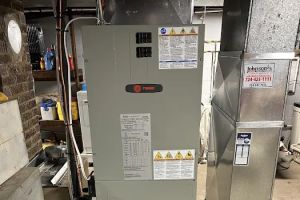
Johnson's Heating & Air Conditioning
NorveltWestmoreland CountyPennsylvania
2231 Mt Pleasant Rd, Norvelt, PA 15674, USA
2.1 Clean or Replace the Air Filter
The air filter plays a critical role in your AC’s airflow by trapping dust, dirt, and debris before they enter the system. Over time, the filter can become clogged, restricting airflow and forcing your AC to work harder. This is one of the most common causes of low airflow.
To fix this issue, simply clean or replace the filter. Depending on your type of filter, cleaning may involve vacuuming or washing it. If it’s a disposable filter, replace it every 1-3 months to maintain optimal airflow and efficiency.
2.2 Clear Blockages in the Vents and Ducts
Obstructions in the vents or ducts can block airflow, causing uneven cooling and poor air circulation. Common blockages include furniture or debris that blocks the air vents or dirt buildup inside the ducts.
Inspect your air vents and ensure that nothing is obstructing the airflow. You can also schedule duct cleaning to remove any dirt or dust buildup that may be restricting airflow.
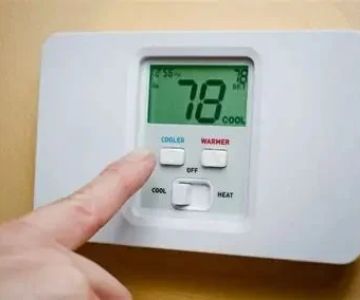
2.3 Adjust the Thermostat Settings
If your thermostat settings are incorrect, it may result in low airflow. For example, setting the thermostat to an overly high temperature can cause the system to operate inefficiently. Ensure that your thermostat is set to the desired temperature and that it is functioning correctly.
2.4 Inspect the Blower Fan
The blower fan is responsible for moving the cooled air throughout the house. If the fan is malfunctioning or dirty, it can reduce airflow significantly. Check the fan and ensure it’s running properly. If it’s dirty, cleaning the fan blades may restore its effectiveness.
If you notice unusual noises or poor fan performance, you may need to replace the fan motor or call a professional technician for further diagnosis.
2.5 Check for Refrigerant Leaks
Low refrigerant levels can also cause low airflow. When the refrigerant is low, the AC system can’t cool the air effectively, leading to poor airflow. This is often caused by a refrigerant leak, which requires professional repair.
If you suspect a refrigerant issue, it’s important to call a technician who can detect and fix the leak. They can recharge your system with the proper amount of refrigerant to restore normal airflow and cooling performance.
3. Common Causes of Low Airflow and How to Fix Them
Low airflow can stem from a variety of issues. Understanding the root causes will help you implement the correct solution. Here are some of the most common causes:
3.1 Dirty or Clogged Air Filters
As mentioned earlier, dirty filters are one of the primary causes of low airflow. When filters become clogged, they restrict the air entering the system, forcing the air conditioner to work harder and consume more energy. Cleaning or replacing your filter regularly is essential for maintaining good airflow.
3.2 Blocked or Leaking Ducts
Ductwork can become blocked due to debris or suffer from leaks that reduce airflow. If ducts are improperly sealed or have gaps, air can escape before it reaches the desired areas of your home. Sealing and repairing ducts can prevent airflow problems and improve efficiency.
3.3 Faulty Blower Fan
The blower fan is responsible for circulating cool air throughout your home. A faulty fan or one that isn’t working properly can result in poor airflow. Regular maintenance and timely repairs can prevent this issue from escalating.
3.4 Dirty Coils
The evaporator and condenser coils in your AC can accumulate dirt over time, which reduces the system’s efficiency and causes low airflow. Cleaning these coils regularly can improve airflow and prevent further issues.
4. When to Call a Professional for Low Airflow Issues
While many airflow problems can be solved with simple maintenance, some issues may require professional assistance. Here are a few signs that it’s time to call an expert:
4.1 Persistent Low Airflow Despite Maintenance
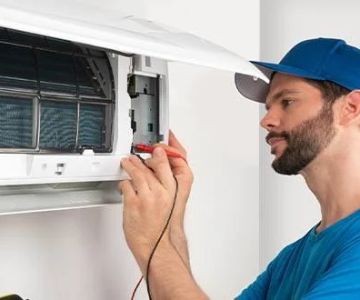
If you’ve cleaned the filter, removed blockages, and adjusted settings but still experience low airflow, it may be time to call a professional. A technician can perform a thorough inspection to diagnose more complex issues, such as refrigerant leaks or malfunctioning components.
4.2 Unusual Noises from the AC
If your air conditioner is making strange noises, such as grinding, rattling, or buzzing, it could indicate a problem with the blower fan or another part of the system. A professional can identify and fix the source of the noise to restore smooth operation.
4.3 Refrigerant Issues
If you suspect refrigerant issues, such as low levels or leaks, don’t attempt to fix them yourself. Handling refrigerant requires special tools and training. A certified HVAC technician can safely repair leaks and recharge the refrigerant to restore proper airflow.
By addressing low airflow issues early, you can extend the life of your air conditioning system, improve energy efficiency, and ensure your home remains comfortable. Regular maintenance and timely repairs are key to preventing airflow problems and keeping your AC in top condition.
 Central Air, Inc3.0 (8 reviews)
 RichAir0.0 (0 reviews)
 Triple Z HVAC, LLC5.0 (5 reviews)
 Seasoned Pro HVAC5.0 (3 reviews)
 Nash Plumbing and Mechanical LLC (new office)4.0 (29 reviews)
 Cozy Climate LLC4.0 (10 reviews)
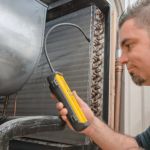 How to Fix Air Conditioner Refrigerant Leaks Quickly and Effectively
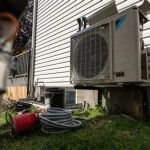 How to Identify and Fix an Air Conditioner Blower Fan Failure
 Fix Air Conditioning Issues for Homeowners in 2025 | Easy Solutions
 Immediate Steps to Fix Air Conditioning When It Breaks Down
 Best Services That Fix AC Unit Near You Today
 Best Air Conditioning Services Near You Today for Fast and Reliable Repairs