Ac Fix
Ac FixAC Fix AcademyFix Air Conditioner Near Me
AlabamaArkansasFloridaGeorgiaIllinoisIndianaKentuckyLouisianaMarylandMississippiMissouriNorth CarolinaOhioOklahomaPennsylvaniaSouth CarolinaTennesseeTexasVirginiaWest Virginia

Ac FixAC Fix Academy

The Ultimate Checklist to Fix Central Air Conditioning Unit Successfully

The Ultimate Checklist to Fix Central Air Conditioning Unit Successfully

1. Understanding Your Central Air Conditioning Unit

Central air conditioning units are complex systems that require both proper care and understanding to function efficiently. These systems are made up of several key components, including the compressor, condenser, evaporator coils, and air handler. The main function of a central AC unit is to cool the air circulating in your home, providing a comfortable living environment during the warmer months.Understanding how your central AC works will help you troubleshoot and fix minor issues on your own. It is important to familiarize yourself with the components and their functions, so you can identify potential problems and take action before they escalate into costly repairs.

2. Common Central AC Issues and How to Identify Them

There are several common issues that homeowners may face with their central air conditioning systems. Identifying these issues early can save you time and money. Here are some of the most frequent problems:1. AC Not Cooling Properly: If your AC is blowing warm air, it could be due to a refrigerant leak, a clogged air filter, or dirty evaporator coils. Check the air filter first, as it’s the most common cause.2. Strange Noises: If your AC is making loud or unusual noises, this could indicate a problem with the fan, motor, or compressor. A buzzing or rattling noise could signal loose parts or debris inside the unit.3. Water Leaks: AC systems have condensate drains that remove excess moisture. If your unit is leaking water, the drain might be clogged, or the condensate pump could be malfunctioning.4. Short Cycling: If the AC is turning on and off frequently, it could be due to a malfunctioning thermostat, dirty coils, or an issue with the compressor.5. Poor Airflow: If the airflow seems weak or inconsistent, it could be caused by ductwork issues, a clogged air filter, or problems with the blower motor.

3. Step-by-Step Checklist to Fix Your AC

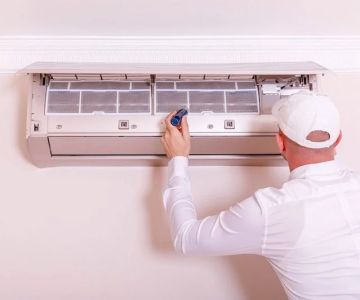
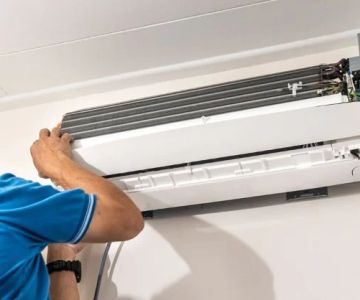
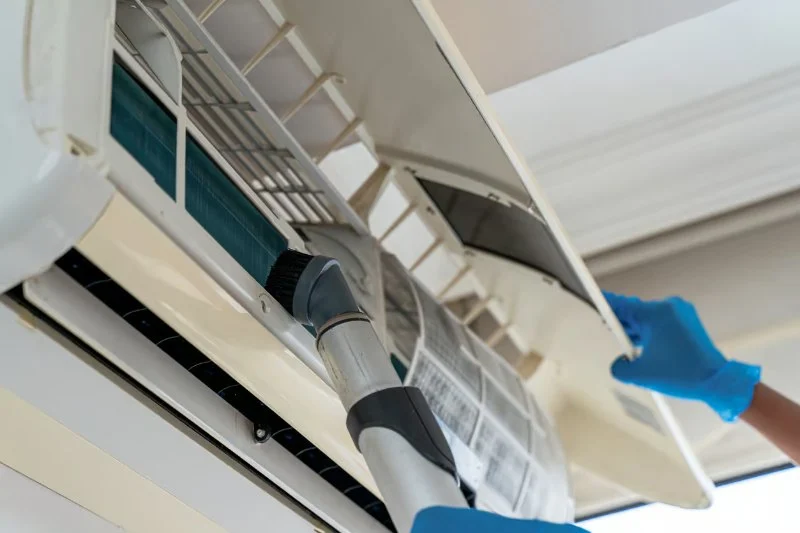
If you notice any of the above problems, here’s a step-by-step checklist to help you troubleshoot and fix your central air conditioning unit:Step 1: Turn off the PowerBefore doing any work on your AC unit, make sure to turn off the power to avoid injury. This includes shutting off the power at the circuit breaker and unplugging the unit if possible.Step 2: Inspect the Air FilterA clogged air filter is one of the most common causes of AC malfunctions. Check the filter and clean or replace it if necessary. Clean filters ensure proper airflow and improve the efficiency of your unit.Step 3: Clean the CoilsOver time, the evaporator and condenser coils can accumulate dirt, which reduces the unit's efficiency. Gently clean both coils using a coil cleaner or soft brush. If you’re not comfortable doing this yourself, it’s best to call a professional.Step 4: Check for LeaksInspect the refrigerant lines for any signs of leaks. If you notice any, the refrigerant needs to be recharged. If the refrigerant is low, it may be due to a leak that requires professional repair.Step 5: Inspect the Drain LineCheck the condensate drain for clogs. If it's clogged, the water has nowhere to go, leading to leaks. You can try clearing the drain with a wet/dry vacuum or a pipe cleaner.Step 6: Check the Thermostat SettingsMake sure the thermostat is set correctly. If the settings seem fine but the unit still isn’t working, the thermostat may need recalibration or replacement.Step 7: Examine the DuctworkEnsure there are no leaks in the ductwork that could be causing airflow problems. Sealing ducts and ensuring that air is directed properly can increase efficiency and improve cooling performance.

4. Maintenance Tips to Extend Your AC’s Lifespan

To ensure your central AC unit runs smoothly year after year, here are some maintenance tips:1. Change the Air Filter Regularly: Replace your air filter every 1-3 months, depending on the type of filter and usage. This will maintain proper airflow and prevent debris buildup.2. Schedule Professional Maintenance: Have a professional HVAC technician perform an annual maintenance check-up. They can clean the coils, inspect refrigerant levels, and ensure the unit is running efficiently.3. Keep the Outdoor Unit Clean: The outdoor unit can accumulate debris like leaves and dirt, which can obstruct airflow. Clean the area around the unit regularly and remove any debris that may affect its performance.4. Keep Vents and Registers Open: Blocked or closed vents can reduce the efficiency of your system. Make sure vents and registers are open and unobstructed.5. Seal Leaks in Ductwork: Air leaks in ductwork can waste energy and increase cooling costs. Seal any visible leaks with duct tape or mastic.

5. When to Call a Professional for AC Repair

While many AC issues can be resolved with basic troubleshooting, some problems require the expertise of a professional HVAC technician. If you’ve followed the steps above and your AC still isn’t functioning properly, it’s time to call in a professional.Here are some signs that indicate you need professional help:The unit is still not cooling after troubleshooting.You suspect a refrigerant leak.The compressor is malfunctioning.There are electrical issues with the unit.The unit makes strange or loud noises after you’ve tried to fix it.Having a professional assess and repair your system will prevent further damage and ensure the longevity of your central AC unit.

Popular Blog Posts

Categories

Top Visited Sites

Trending AC Fix Academy Posts