
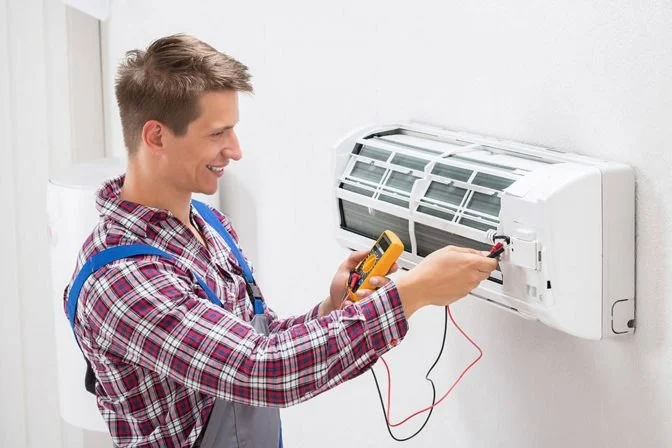
How to Solve Air Conditioner Cooling Issues Without Calling a Professional
- 1. Understanding Common Air Conditioner Cooling Issues
- 2. Step-by-Step Guide to Troubleshooting Your AC
- 3. Preventive Maintenance Tips to Avoid Future Issues
- 4. When to Call a Professional
- 5. Where to Find the Best Air Conditioner Parts and Tools
1. Understanding Common Air Conditioner Cooling Issues
When your air conditioner fails to cool as effectively as it should, it can be frustrating, especially during the hottest months. Fortunately, many common air conditioner cooling issues can be diagnosed and fixed without the need to call in a professional technician. To solve the problem efficiently, it’s important to first understand what might be causing your AC to underperform.
Some of the most common causes of cooling issues include dirty air filters, low refrigerant levels, blocked air vents, and electrical problems. Understanding the potential issues will allow you to pinpoint the problem and take the necessary steps to fix it.
2. Step-by-Step Guide to Troubleshooting Your AC
Here is a comprehensive, step-by-step guide to troubleshoot your air conditioner cooling problems:
2.1 Check the Thermostat Settings
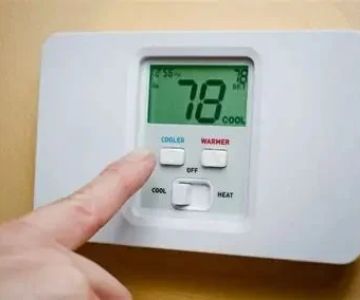
Before diving into more complicated solutions, ensure that your thermostat is set to the right temperature and cooling mode. A simple mistake like setting the thermostat to “heat” instead of “cool” can cause the AC to blow warm air.
2.2 Inspect the Air Filter
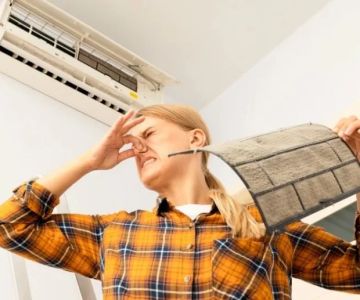
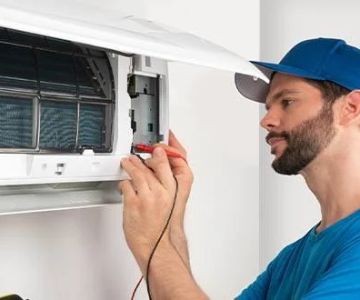
A dirty air filter is one of the most common causes of cooling issues. If the filter is clogged, it restricts airflow, making it harder for your AC to cool your space. Inspect the filter, and if it's dirty, clean it or replace it with a new one. A clean air filter not only helps your AC cool better, but it also extends the lifespan of the unit.
2.3 Clean the Coils
The coils in your air conditioner can become dirty over time, which affects the cooling efficiency. There are two types of coils to check: the evaporator coil (inside the unit) and the condenser coil (outside). To clean them, turn off the power, and gently vacuum the coils with a brush attachment. If necessary, use a coil cleaner designed for air conditioners to remove built-up debris.
2.4 Check the Refrigerant Level
If your AC isn’t cooling properly, the refrigerant level could be too low. Low refrigerant can result from a leak or poor maintenance. Unfortunately, recharging refrigerant is not a DIY task for homeowners, but it’s worth inspecting the AC for any visible signs of refrigerant leaks, such as oily spots near the unit. If you spot a leak, you’ll need to call a professional for repairs.
2.5 Ensure Proper Airflow
Blocked or closed vents, as well as obstructions around the AC unit, can restrict airflow and lead to poor cooling. Make sure that all vents are open and unblocked. Additionally, if the outdoor unit is covered in dirt, leaves, or debris, this could hinder its efficiency. Clean the area around the unit and ensure it has enough space for air to flow freely.
2.6 Inspect the Ductwork
If your AC is blowing cool air in some areas but not others, there might be a problem with your ductwork. Check the ducts for leaks, holes, or blockages. Leaky ducts can cause cold air to escape, making your AC less effective. Use duct tape or sealant to patch up any small holes or gaps.
3. Preventive Maintenance Tips to Avoid Future Issues
Once you’ve solved the current cooling issue, it’s important to maintain your AC regularly to avoid future problems. Here are some preventive maintenance tips:
3.1 Clean Your AC Regularly
Regular cleaning of your air conditioner’s air filter, coils, and vents can help keep it running efficiently. Aim to clean or replace the filter every 1–3 months, depending on how often you use the AC. Cleaning the coils annually can also prevent dirt buildup that affects performance.
3.2 Schedule a Professional Checkup
Even if you're handling minor repairs yourself, it's a good idea to schedule an annual professional checkup for your air conditioner. A technician can inspect for refrigerant leaks, clean internal components, and ensure your system is running at optimal efficiency.
3.3 Insulate Your Home
Good insulation helps keep the cool air inside and prevents heat from entering. Make sure your home is properly insulated, especially around windows and doors. This can help your air conditioner work less hard and improve overall efficiency.
4. When to Call a Professional
While many air conditioning issues can be fixed on your own, there are times when it’s best to call a professional:
4.1 Refrigerant Leaks
If you suspect that your air conditioner has a refrigerant leak, it’s crucial to call a professional. Handling refrigerant requires special tools and knowledge, and improper handling can cause damage to the unit or pose a safety risk.
4.2 Electrical Problems
If your AC is blowing warm air, and you've already ruled out issues like the thermostat or filter, it could be an electrical problem, such as a faulty capacitor or compressor. These issues should be handled by a licensed professional to avoid further damage or safety risks.
4.3 Persistent Cooling Issues
If you’ve gone through all the troubleshooting steps and your AC still isn’t cooling effectively, it’s time to call in a professional. They can diagnose complex issues, such as problems with the compressor or internal components, that may require expert repairs.
5. Where to Find the Best Air Conditioner Parts and Tools
If you prefer to tackle DIY repairs, having access to quality parts and tools is essential. Visit Ac Fix for a wide selection of air conditioner parts, including filters, coils, capacitors, and refrigerants. You can also find helpful resources to guide you through various repair tasks and keep your AC in top working condition.
 Elliott Heating and Cooling5.0 (79 reviews)
 Hiller Plumbing, Heating, Cooling & Electrical4.0 (1120 reviews)
 Swift Brothers Plumbing, Heating & Air4.0 (329 reviews)
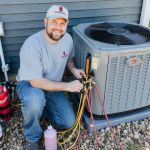 Heating & Cooling Columbus5.0 (3 reviews)
 Hugh's Heating & Air3.0 (4 reviews)
 Wilson's Heating and Cooling5.0 (4 reviews)
 How to Find Someone Who Can Fix My Air Conditioner Immediately
 Avoid These Common Mistakes When Trying to Get Your AC Fixed
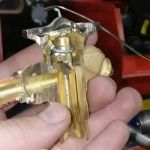 How to Detect and Repair a Faulty AC Expansion Valve
 How to Prevent Air Conditioner Freezing Problems and Improve Efficiency | Ac Fix
 Who Should You Trust When You Need to Fix Air Conditioner?
 How to Choose a Trusted Technician for Your Wall Air Conditioner Repair