

1. Common Causes of Air Conditioner Failure
Air conditioners, like any other appliance, are prone to breakdowns and failures, especially when not properly maintained. The failure of an air conditioner can be frustrating, especially during the hot summer months. Understanding the common causes of AC failure can help you take preventive measures to avoid these issues and extend the lifespan of your unit.
Why Do ACs Fail?
AC failures often happen gradually, with small issues building up over time. Some problems, such as clogged filters or refrigerant leaks, may go unnoticed until they cause a significant malfunction. Others, such as electrical problems or improper installation, can lead to sudden breakdowns. Fortunately, most of these issues can be prevented with proper care and maintenance.
2. Lack of Maintenance
One of the most common reasons for AC failure is a lack of regular maintenance. Without routine cleaning, inspection, and servicing, small issues can quickly escalate into major problems that require expensive repairs or replacements.
Preventive Maintenance Tasks
- Clean and replace filters regularly: Dirty or clogged filters restrict airflow and reduce cooling efficiency, causing the system to overheat.
- Inspect coils and refrigerant levels: Clean the evaporator and condenser coils to prevent overheating, and check refrigerant levels to ensure optimal performance.
- Check drainage: Clear any blockages in the condensate drain to prevent water damage and mold growth.
By scheduling annual professional maintenance, you can prevent most maintenance-related failures and keep your AC unit running smoothly.
3. Dirty Filters and Coils
Dirty filters and coils are one of the top causes of AC inefficiency and failure. When the filters become clogged with dust and debris, the air cannot flow properly, which can lead to the unit overworking and eventually failing. Dirty coils can also impair the unit's heat transfer, causing the system to freeze up or overheat.
How to Prevent This Problem
- Change filters regularly: Replace the air filters every 1–3 months, depending on usage.
- Clean coils annually: Use a soft brush or vacuum to clean the evaporator and condenser coils and remove any dust or dirt.
Regularly cleaning and replacing filters and coils ensures your AC runs efficiently and prevents strain on the system.
4. Low Refrigerant Levels
Refrigerant is essential for the cooling process in your air conditioner. If the refrigerant levels are low due to a leak or insufficient charge, the system cannot cool effectively, and the compressor may overheat and fail. Low refrigerant levels can also lead to ice buildup on the evaporator coils, further compromising the AC’s performance.
How to Prevent Low Refrigerant Levels
- Regularly check refrigerant levels: Have a professional technician check and top off the refrigerant levels during annual maintenance.
- Seal refrigerant leaks: If you suspect a refrigerant leak, contact an HVAC professional immediately to repair the leak and recharge the refrigerant.
Addressing refrigerant issues promptly helps to avoid system damage and prevents costly repairs down the line.
5. Electrical Issues
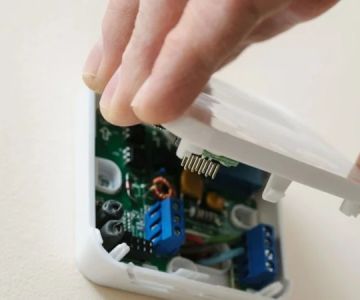
Electrical problems are another common cause of AC failure. Faulty wiring, tripped circuit breakers, or malfunctioning thermostats can cause the system to fail unexpectedly. These issues can be dangerous if not addressed properly, as they may lead to fire hazards or further damage to the AC unit.
How to Prevent Electrical Issues
- Check wiring regularly: Have an electrician inspect the wiring in your AC unit during routine maintenance to ensure there are no exposed or damaged wires.
- Replace faulty thermostats: If the thermostat is not functioning correctly, it can cause temperature regulation problems and lead to system failure.
Regular electrical inspections can prevent sudden failures and improve the safety and reliability of your air conditioning system.
6. Clogged Drain Lines
Air conditioners remove moisture from the air as part of the cooling process. This moisture is collected and expelled through the condensate drain. If the drain line becomes clogged with dirt, algae, or debris, water may back up into the unit, leading to water damage, mold growth, and eventually a system failure.
How to Prevent Clogged Drain Lines
- Clean drain lines regularly: Use a wet/dry vacuum to clear the drain line of any blockages.
- Install a float switch: Consider installing a float switch to automatically shut off the system if the drain line becomes clogged.
Keeping the drain line clear prevents water damage and ensures proper moisture removal from the system.
7. Real-Life Example: Preventing an AC Failure
Take the example of John, a homeowner in Florida. He regularly maintained his air conditioner by changing the filters every two months, having the refrigerant checked annually, and scheduling professional maintenance. His AC unit lasted 15 years without major issues, even through the hottest summer months. By staying on top of maintenance, John avoided the frustration of unexpected breakdowns and costly repairs.
8. AC Maintenance Tips to Prevent Failure
To keep your air conditioning unit in top shape and prevent failure, follow these essential maintenance tips:
- Change filters every 1–3 months, depending on usage.
- Schedule annual professional inspections to catch small issues early.
- Clean coils and drain lines to prevent inefficiency and water damage.
- Check refrigerant levels and repair leaks promptly.
- Ensure electrical components are in good working order.
By following these tips, you can extend the life of your AC, improve its efficiency, and prevent costly breakdowns. For more information or professional services, visit Ac Fix for the best recommendations on products and services.

 Wittichen Supply Co4.0 (44 reviews)
 Sanchez Air Conditioning0.0 (0 reviews)
 Johnston Mechanical Cooling and Heating5.0 (2 reviews)
 Tri County Air Conditioning and Heating4.0 (8169 reviews)
 E Randoll HVAC AC Fast Repair0.0 (0 reviews)
 Rapid HVAC Hull5.0 (1 reviews)
 Experts Explain How to Fix Central Air Conditioning Unit Like a Pro
 Why Your Air Conditioner Might Be Tripping the Breaker and How to Fix It
 How Much Does It Really Cost to Air Conditioning Replacement?
 Troubleshooting an Air Conditioner with a Faulty Control Board – A Step-by-Step Guide
 Top Ways to Fix Your AC Quickly and Affordably in Your Area
 Can You Fix My AC Without Replacing the Entire System? Expert Solutions Explained