
cheap-ac-fix-without-replacing – Can You Fix Your AC Cheap Without Replacing the Entire System?
ac-repair-options – Affordable Air Conditioning Repair Options
ac-repair-or-replacement – When to Repair or Replace Your Air Conditioning System
fixing-air-conditioning-problems – How to Fix Common Air Conditioning Problems Without Replacing the System
ac-maintenance-tips – Essential AC Maintenance Tips to Avoid Expensive Repairs
Can You Fix Your AC Cheap Without Replacing the Entire System?
When your air conditioning unit breaks down, the last thing you want to hear is that you need to replace the entire system. Not only is a full replacement expensive, but it’s often unnecessary for many common air conditioning problems. The good news is that in many cases, you can fix your AC without replacing the entire system—and at a fraction of the cost.
In this article, we’ll discuss how to handle common AC problems, when repairs are sufficient, and when it might actually make more sense to replace your unit. You’ll learn how to identify issues that can be fixed affordably, and how to avoid getting overcharged for unnecessary replacements.

Skelton's Heating, Cooling & Plumbing
ChildersburgTalladega CountyAlabama
33672 US-280, Childersburg, AL 35044, USA
Affordable Air Conditioning Repair Options
If your air conditioner is not working properly, you might be tempted to replace it entirely, especially if it’s an older model. However, there are often affordable repair options that can extend the life of your AC unit for several more years.
1. Dirty or Clogged Air Filters:
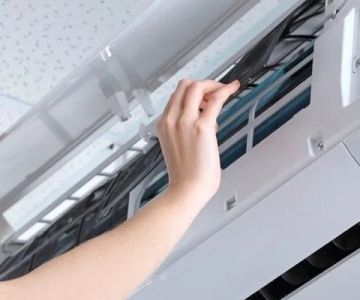
One of the most common—and simplest—reasons for an AC malfunction is dirty or clogged air filters. When the filters are blocked, airflow is reduced, which makes your system work harder and can lead to overheating. Replacing the filters is an inexpensive fix that can improve your system’s efficiency.
2. Refrigerant Leak:
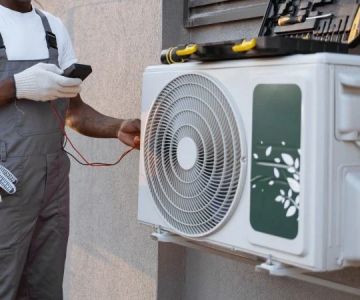
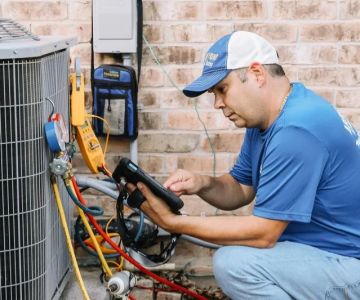
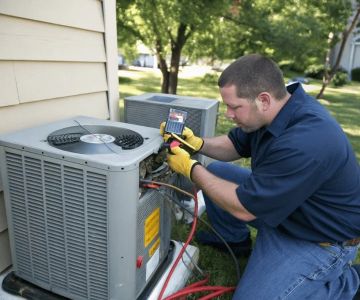
A refrigerant leak can cause your air conditioner to lose its cooling power. This issue may be repairable without replacing the whole system. An HVAC technician can check for leaks, recharge the refrigerant, and fix any issues that caused the leak in the first place.
3. Faulty Thermostat:
If your AC system isn’t cooling the space correctly, the issue might be with your thermostat. If it’s inaccurate or malfunctioning, it can prevent the system from running properly. Replacing or recalibrating a faulty thermostat is an affordable fix that doesn’t require a full replacement.
4. Leaking Ductwork:
Leaking ducts can cause cool air to escape, reducing the efficiency of your AC. This issue can usually be fixed by sealing the ducts, which is far less expensive than replacing the entire AC system.
These are just a few examples of common AC issues that can be fixed without replacing the entire unit. In many cases, simple repairs and regular maintenance can keep your system running efficiently for years.
Mechanical Air Conditioning Port St. Lucie
Port St. LucieSt. Lucie CountyFlorida
571 NW Mercantile Pl Ste 107, Port St. Lucie, FL 34986, USA
When to Repair or Replace Your Air Conditioning System
While many issues can be repaired affordably, there are times when replacing the system is the more cost-effective option. Understanding when to repair versus when to replace your AC system can save you a significant amount of money.
1. Age of the AC System:
If your AC system is over 10 years old and requires frequent repairs, it may be more cost-effective to replace the unit entirely. Older units are less energy-efficient, and continued repairs may add up over time. Investing in a new system can lower your energy bills and provide better cooling performance.
2. Major System Failures:
If your AC has a major mechanical failure, such as a broken compressor or a damaged condenser, it may be more affordable to replace the system than to attempt expensive repairs. These are critical components, and fixing them can be costly, often approaching the price of a new unit.
3. Higher Energy Costs:
Older AC units tend to consume more energy to operate. If your system is no longer energy-efficient and you notice a significant increase in your electricity bills, it may be worth replacing the system with a more energy-efficient model. Modern units are designed to meet higher energy standards, reducing your overall energy consumption and costs.
In cases where your AC system is still relatively young and the problem is not too severe, repairs are usually the more affordable option. But when a replacement is the right choice, investing in a new system can save you money in the long run through lower repair costs and better energy efficiency.
How to Fix Common Air Conditioning Problems Without Replacing the System
There are many common air conditioning issues that homeowners can fix without the need to replace the entire system. Let’s look at some of these problems and how you can address them yourself—or with the help of a professional—without breaking the bank.
1. Airflow Issues:
If your AC isn’t cooling the space effectively, it may be due to airflow issues. The most common causes of poor airflow are clogged filters or blocked vents. Regularly cleaning or replacing the filters and ensuring that vents are unobstructed can significantly improve your system’s performance.
2. Frozen Coils:
Frozen evaporator coils are often the result of poor airflow or low refrigerant levels. If you notice that the coils are frozen, check the air filters and the refrigerant levels. If the filters are clean and the refrigerant is adequate, the problem may be due to a malfunctioning fan or a blockage in the system.
3. Strange Noises:
If your AC is making strange noises, such as rattling, buzzing, or grinding, it could indicate a loose part, clogged drain pan, or a malfunctioning fan. Checking for debris around the unit or calling an HVAC professional to inspect the fan and other moving parts can resolve these issues without needing to replace the entire system.
4. Short Cycling:
If your air conditioner is turning on and off frequently, it could be a sign of a malfunctioning thermostat, clogged air filters, or a refrigerant leak. Fixing these issues without replacing the unit is possible, and a professional can quickly identify and resolve the cause of short cycling.
Addressing these issues early can prevent further damage to your AC system and extend its lifespan, saving you money on replacements and expensive repairs.
Essential AC Maintenance Tips to Avoid Expensive Repairs
Preventing future problems is the best way to avoid costly repairs and replacements. Regular maintenance is essential to keep your air conditioning system running efficiently. Here are some key maintenance tips:
1. Clean or Replace Air Filters Regularly:
Clogged air filters can reduce airflow and strain your system. Clean or replace your filters every 1-3 months, especially during peak cooling seasons.
2. Check Refrigerant Levels:
Low refrigerant levels can cause your AC to freeze up and reduce its efficiency. Regularly check the refrigerant levels and have a technician top it off if necessary.
3. Inspect and Clean Coils:
Dirt buildup on the evaporator or condenser coils can reduce efficiency. Clean the coils every year to prevent the system from overheating or freezing up.
4. Schedule Annual Professional Maintenance:
Having your system professionally inspected once a year can help identify issues before they become major problems. A technician can clean the system, check for leaks, and ensure everything is functioning properly.
By following these simple maintenance practices, you can keep your air conditioning system in good condition, avoid expensive repairs, and extend the life of your unit.
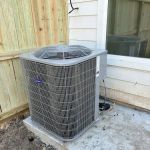 L & M Air Conditioning & Heating4.0 (10 reviews)
 Moore's Electrical & Mechanical0.0 (0 reviews)
 Walmart HVAC Services0.0 (0 reviews)
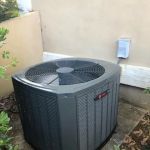 Aire-Pro Services LLC5.0 (144 reviews)
 Plaza Tire Service4.0 (1045 reviews)
 A&D Repairs LLC4.0 (93 reviews)
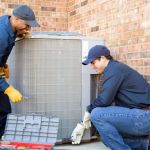 How Much Does It Really Cost to Fix My AC?
 Top Ways to Fix Wall Air Conditioner Quickly and Affordably in Your Area
 The Ultimate Checklist to Fix Air Conditioner Near Me Successfully
 Avoid These Common Mistakes When Trying to Find Where to Get My AC Fixed
 2025 Trends: How People Are Choosing to Fix Air Conditioner Now
 Can You Fix an AC Condenser Without Replacing the Entire System? Insights and Solutions