
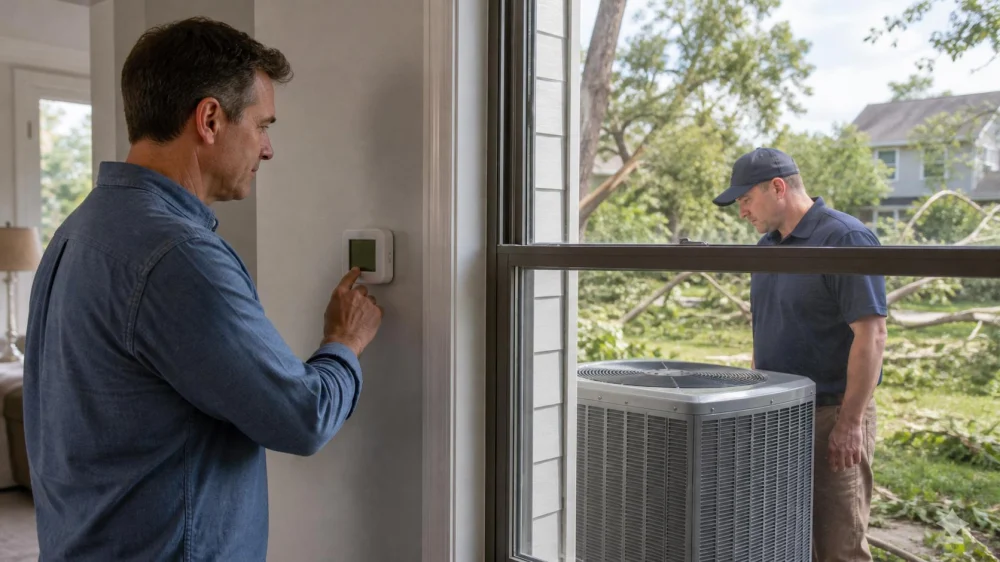
Restart Your AC After a Power Outage: Wait, Check, and Observe
When power returns after an outage, the air conditioner may not start immediately—and that delay can be normal. Thermostats, compressors, utility controls, and protective devices may impose waiting periods. Repeatedly changing settings or resetting breakers can turn a simple recovery into equipment damage or an electrical hazard.
Check Household Safety First
Follow utility and emergency instructions, especially after storms, flooding, fire, damaged lines, or a reported gas leak. Stay away from downed wires and wet electrical equipment. Confirm that the home is safe to occupy before focusing on cooling. People vulnerable to heat may need a cooled alternative location while power or HVAC reliability remains uncertain.

H & B Services LLC
ReidsvilleRockingham CountyNorth Carolina
509 W Harrison St, Reidsville, NC 27320, USA
Confirm Stable Power
Look for normal lighting and utility restoration notices, but remember that partial power or fluctuating voltage can affect equipment differently. Do not run major appliances merely to test the supply. If lights flicker, only part of the home has power, outlets smell hot, or the electrical panel makes unusual sounds, contact the utility or a qualified electrician.

SERVPRO of Pickens County
EasleyPickens CountySouth Carolina
648 Gentry Memorial Hwy, Easley, SC 29640, USA
Review the Thermostat
Check whether the display is on, the time and schedule reset, and cooling mode remains selected. Replace thermostat batteries only according to instructions. Avoid rapid changes between off, fan, heat, and cool. Smart thermostats may be reconnecting to Wi-Fi or a cloud service, but basic HVAC operation should be evaluated from the manufacturer’s guidance rather than app status alone.
Respect Restart Delay
Many systems include a compressor-protection delay after power or settings change. The thermostat may show “waiting,” a flashing symbol, or no obvious message. Allow the specified interval without repeatedly lowering the setpoint. Utility demand-response equipment can create a longer delay. Check service records or call the utility if an enrolled control program may be limiting operation.
Treat Breakers Carefully
Inspect the panel only from a dry, safe position and follow household electrical guidance. A clearly tripped breaker should not be reset repeatedly. If it trips again, feels hot, will not stay set, or the cause is unclear, stop and call a qualified professional. Never remove the panel cover, touch exposed conductors, or bypass a disconnect or fuse.
Observe the Outdoor Unit
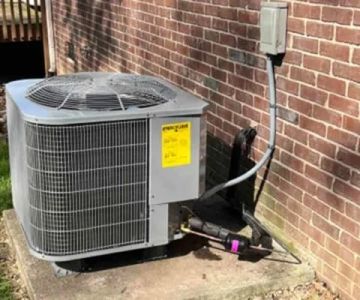
From a safe distance, check for storm debris, standing water, impact damage, ice, smoke, unusual noise, or a fan that is not operating when cooling is called. Do not reach through the grille or move the blades. A silent outdoor unit during the protection delay may be normal; buzzing, burning odour, arcing, or severe vibration is a stop signal.
Check Indoor Airflow
Confirm that supply and return openings are not blocked and the filter is installed correctly. Feel for airflow at several vents after operation begins. Do not open the equipment cabinet to inspect the blower or coil. If airflow is absent, extremely weak, wet, smoky, or accompanied by a burning smell, switch the system off and arrange service.
Lower Temperature Gradually
Set a reasonable target rather than an extreme low number. An air conditioner cools at its designed capacity; a lower setting does not make it remove heat instantly. Close windows and doors, use shades, limit heat-producing activities, and use safe fans for comfort. Monitor vulnerable people and indoor humidity while the home recovers.
Record Abnormal Signs
Write down outage and restoration times, thermostat messages, breaker position, noises, odours, outdoor and indoor unit behaviour, and room temperatures. Take photos or short video from a safe position. Do not repeatedly recreate the symptom for recording. Accurate timing helps a technician distinguish a protective delay, utility issue, thermostat reset, electrical fault, or HVAC failure.
Know When to Call
Contact HVAC service when the system remains off beyond documented delays, cannot cool, short cycles, trips protection, freezes, leaks, or produces abnormal sound or smell. Contact the utility for unresolved supply issues and emergency services for fire, smoke, sparking, or immediate danger. Share the outage history and avoid authorizing repair before the diagnosis and price are clear.
Prepare for the next outage by saving the thermostat manual, HVAC model information, utility outage number, service company, and medically necessary cooling plan. Keep flashlights and charged backup batteries where they can be reached without opening the electrical panel. A whole-home surge or standby-power decision should be designed and installed by qualified professionals for the actual loads. Test emergency communications periodically and update the plan when equipment, occupants, or utility programs change.
An AC restart after an outage should be calm and deliberate. Confirm safety and stable power, review the thermostat, allow protective delays, avoid repeated breaker resets, and observe both units. When the recovery pattern is abnormal, recorded details are safer and more useful than repeated experiments.
 Flynt Service Company4.0 (53 reviews)
 Aircons Heat & Better Air Inc5.0 (491 reviews)
 McDaniel Mechanical Inc4.0 (23 reviews)
 Loris Heating & Cooling Specialty4.0 (6 reviews)
 Dunn's HVAC, Plumbing & Electrical4.0 (1804 reviews)
 Texas Comfort Air - Heating - Air - Electrical Services4.0 (184 reviews)
 Immediate Solutions for Fixing Your Wall Air Conditioner | AC Repair Guide
 How to Prevent Air Conditioner Refrigerant Leaks
 How to Fix a Short Cycling Air Conditioner
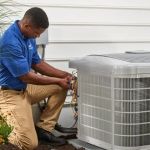 Experts Explain How to Fix an AC Unit Like a Pro
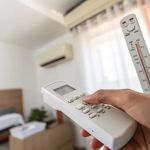 Fixing an Air Conditioner Not Blowing Cold Air: Complete Guide
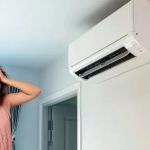 Why Your Air Conditioner is Not Cooling and How to Repair It