
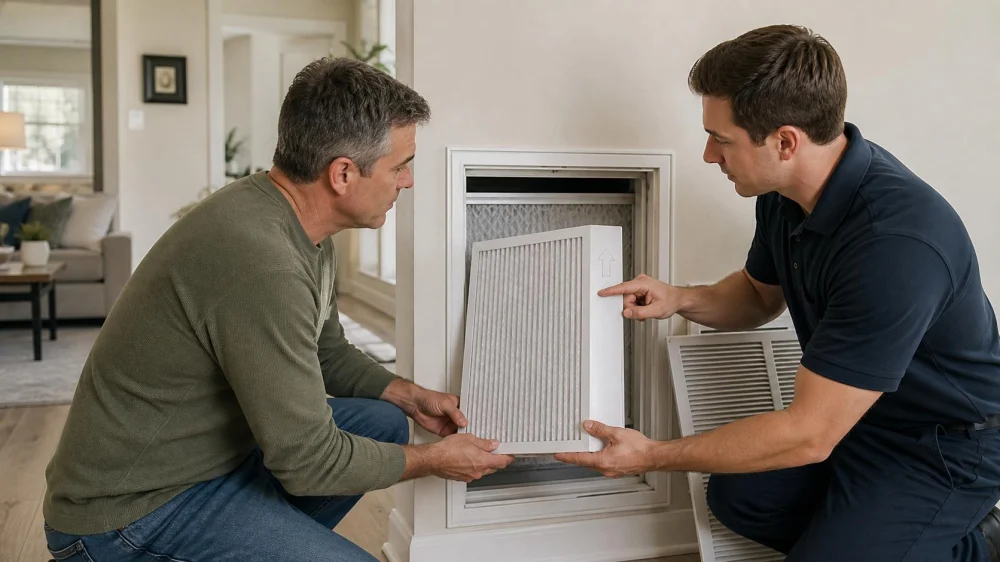
AC Filter Size and Airflow Arrow: Replace It Without Guessing
An air-conditioning filter only works as intended when its type, dimensions, orientation, and replacement interval match the system. A filter that is forced into place, installed backward, or chosen only for the highest rating can reduce airflow and create new problems. Homeowners can handle many routine filter changes safely while leaving cabinets, wiring, and duct modifications to HVAC professionals.
Find the Filter Location
Common locations include a return grille, a slot near the air handler or furnace, or a dedicated media cabinet. Some homes have more than one filter; others use one central filter even when several return grilles are visible. Check the equipment manual and prior service records. Do not open a panel that exposes electrical, blower, refrigerant, or combustion components.
JD'S Heating & Air Conditioning Inc.
CasselberrySeminole CountyFlorida
770 Lake Kathryn Cir, Casselberry, FL 32707, USA
Use a Safe Setup
Set the thermostat so the fan will not start during the change and follow manufacturer instructions for power control. Use a stable floor position and adequate light. Do not balance on furniture to reach a high return grille. If access requires a ladder, tight attic, crawlspace, or removal of a service panel, have a qualified person perform the work.
Read the Exact Size
Record the dimensions printed on the existing filter, including thickness. The nominal size on the frame may differ from the actual measured size, so match the cabinet or grille specification. Photograph the label before disposal. A filter that looks almost right can bow, leak air around its edges, jam in the slot, or prevent the cover from closing.
Match the Filter Rating
Higher filtration is not automatically better for every system. Dense media can add resistance that an older or improperly designed blower cannot handle. Use the rating range approved by the equipment or recommended after an HVAC airflow assessment. Discuss allergies, smoke, pets, and indoor-air goals with a professional instead of solving them by installing an unapproved restrictive filter.
Follow the Airflow Arrow
The arrow printed on a disposable filter points in the direction air travels toward the blower or air-handling equipment, not necessarily “up” or “in.” Note the old filter’s orientation only if it was known to be correct. Mark the cabinet exterior with a removable note if allowed. Never rely on wire backing alone because construction varies by product.
Check the Fit
Slide the filter into the intended track without crushing the frame. It should sit squarely, with minimal bypass, and allow the cover or grille to latch. Do not tape over service panels, drill a new track, stack multiple one-inch filters, or leave a filter protruding. If the specified size does not fit, stop and ask an HVAC professional to assess the cabinet.
Set a Replacement Routine
Manufacturer guidance, runtime, filter area, household dust, pets, smoke, and renovation work all affect replacement timing. Check the filter regularly rather than relying on one universal number of days. A slightly grey surface may be normal; a loaded, bowed, damp, or damaged filter needs attention. Record the installation date and product details in the service log.
Remove It Cleanly
Pull the used filter slowly so dust does not spill into the return or room. Place it directly into a bag and follow local disposal guidance. Wash hands afterward. Do not vacuum or wash a disposable filter unless its instructions explicitly allow it. Reusable filters need the manufacturer’s cleaning, drying, and reinstallation process; reinstalling one damp can encourage microbial growth.
Observe After Replacement
Restore the approved settings, let the system operate, and listen for unusual whistling, rattling, or airflow changes. Check that the grille or cabinet cover stays secure. A new filter does not fix blocked ducts, failing blowers, frozen coils, or major pressure problems. Record any new symptom, thermostat message, or room-temperature change for the service technician.
Know When to Call
Call for HVAC help when filters collapse, become wet, blacken unusually fast, will not fit, or are sucked out of position. Also report burning smells, repeated freezing, breaker trips, severe airflow loss, or visible cabinet damage. Do not operate without a required filter simply because the correct replacement is unavailable; follow professional or manufacturer guidance.
Keep one correct spare in a clean, dry place, flat in its original packaging. Write the equipment served by that filter on a separate storage note, not over required product information. Before buying in bulk, verify that the size and rating have not changed after service. Multi-packs save money only when they remain undamaged and actually match the system.
A correct filter change is a precise maintenance task, not a trial-and-error upgrade. Confirm the location and size, use an approved rating, point the arrow toward airflow, seat the frame correctly, and log the change. When the filter or access does not match expectations, pause before forcing it.
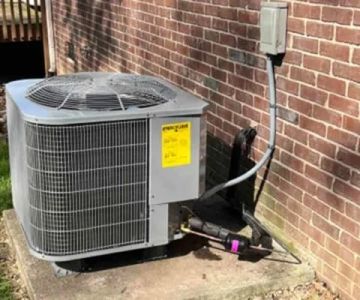
 Flynt Service Company4.0 (53 reviews)
 Aircons Heat & Better Air Inc5.0 (491 reviews)
 McDaniel Mechanical Inc4.0 (23 reviews)
 Loris Heating & Cooling Specialty4.0 (6 reviews)
 Dunn's HVAC, Plumbing & Electrical4.0 (1804 reviews)
 Texas Comfort Air - Heating - Air - Electrical Services4.0 (184 reviews)
 Immediate Solutions for Fixing Your Wall Air Conditioner | AC Repair Guide
 How to Prevent Air Conditioner Refrigerant Leaks
 How to Fix a Short Cycling Air Conditioner
 Experts Explain How to Fix an AC Unit Like a Pro
 Fixing an Air Conditioner Not Blowing Cold Air: Complete Guide
 Why Your Air Conditioner is Not Cooling and How to Repair It