

AC Warranty Claim: Gather Records Before You Call
On this page
Quick answer
Before starting an AC warranty claim, identify the equipment model and serial number, find the installation invoice and warranty terms, list maintenance and prior repairs, and document the current symptoms without opening the unit. Confirm who must diagnose the failure, whether preauthorization is required, and which parts, labor, travel, refrigerant, or shipping costs are excluded.
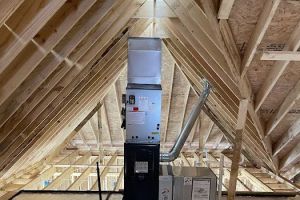
McCary Heating and Cooling, LLC
BridgetownDeSoto CountyMississippi
4293 Brooke Dr, Nesbit, MS 38651, USA
Separate the types of coverage
An AC warranty is a written promise with defined parties, covered items, conditions, remedies, and time limits. Manufacturer parts coverage, installer labor coverage, an extended service agreement, a home warranty, and a credit-card benefit are separate arrangements. One may pay for a component while another cost remains the owner’s responsibility.
Read the actual document in effect for the installation date. Look for the covered equipment, start and end dates, registration rules, transfer terms, maintenance duties, authorized-service requirements, exclusions, claim deadlines, and remedy. Do not rely only on a sales phrase such as “ten-year warranty.”
- Which named company is responsible for each promise?
- Are parts, labor, diagnostic time, refrigerant, freight, permits, and travel included?
- Is replacement limited to a comparable part rather than an entire system?
- Does ownership transfer, rental use, relocation, or commercial use change coverage?
Build the equipment record
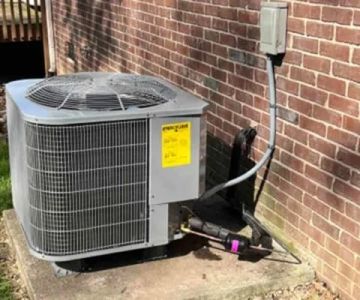
Create one folder for the system. Photograph accessible rating plates from a safe position without removing panels. A central system may have identifiers on indoor and outdoor components, and their warranty periods may differ. Keep photographs of the installation condition and documents showing who supplied and installed each component.
- Model and serial numbers for the outdoor unit, indoor coil, furnace or air handler, thermostat, and covered accessories.
- Installation contract, itemized invoice, payment record, completion date, and permit or inspection documents when applicable.
- Product-registration confirmation and the email or account used to register.
- Warranty documents, service agreement, amendments, and transfer paperwork.
- Dated maintenance invoices, filter records, and prior diagnostic or repair reports.
- Property purchase records if coverage may have transferred with the home.
Keep originals unchanged. If a name, date, or serial number is wrong, ask the issuer to correct it in writing rather than editing the document yourself.
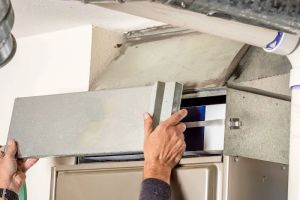
Sears Heating and Air Conditioning
CharlotteMecklenburg CountyNorth Carolina
8301 Arrowridge Blvd, Charlotte, NC 28273, USA
Document symptoms without altering evidence
Describe what the system does, when it happens, and what changed. Record thermostat settings, visible error codes, run and stop times, sounds, odors, room conditions, weather, and accessible water or ice. Photographs and short videos can preserve an intermittent pattern, but they do not establish the failed part.
Do not reset repeatedly, remove covers, cut wires, add refrigerant, apply leak sealant, dismantle a component, or authorize an unapproved repair to make a claim stronger. Those actions can create hazards, erase diagnostic clues, or conflict with warranty terms. Follow the manufacturer’s safe shutdown instructions for smoke, burning odors, sparking, repeated breaker trips, significant water, or ice.
Write down the first symptom date and every contact. If cooling loss creates a health risk, ask the provider about safe temporary arrangements while the claim is reviewed; do not assume temporary equipment will be reimbursed.
Confirm the claim process before work
Contact the responsible warranty administrator through a verified phone number, website, or document. Ask whether the homeowner, original installer, or an authorized HVAC contractor must open the claim and whether diagnosis or replacement needs approval before work begins.
- Get a claim number and record the representative, date, and promised response.
- Confirm the approved contractor and whether a second diagnosis is allowed.
- Ask which records, photographs, failed parts, or test results must be retained.
- Request written estimates for covered and noncovered amounts before authorizing work.
- Clarify who pays first, how reimbursement works, and where invoices must be sent.
- Check deadlines for diagnosis, return of a failed part, appeal, or reimbursement.
In the United States, contractor licensing and permit requirements vary by state and locality. Verify the applicable credentials and insurance, and do not let warranty administration replace electrical, refrigerant, combustion, or building-safety requirements.
Review the decision and repair scope
Compare the written approval or denial with the warranty clause, diagnosis, repair estimate, and equipment identifiers. If coverage is partial, ask for an itemized explanation of parts, labor hours, diagnostic charges, refrigerant, freight, tax, permits, disposal, and upgrades. A covered part does not automatically make every associated cost free.
Ask how the proposed repair affects remaining coverage and whether the replacement part has its own warranty. If a system replacement is recommended, separate the technical reason from incentives, rebates, financing, and coverage. Get the load, compatibility, code, and scope assumptions in writing before deciding.
For a denial, request the exact reason and document relied upon, then follow the stated review or appeal path by the deadline. Preserve a chronological file of submissions and responses. Consumer-protection options differ by jurisdiction, so use the relevant state or local authority or qualified legal advice for a disputed contract.
Evidence note: This checklist uses general warranty-administration and HVAC service practices: identify the promise, preserve equipment and service records, obtain an authorized diagnosis, document approval, and distinguish covered components from related costs. The signed warranty and applicable law control the outcome.
Frequently asked questions
Does a manufacturer parts warranty include labor?
Not necessarily. Read the covered-cost section and ask for an itemized estimate showing parts, labor, diagnosis, freight, refrigerant, and other charges.
Can any HVAC company perform the warranty repair?
Some warranties require an authorized contractor or prior approval. Confirm the process before authorizing nonemergency work.
What if I cannot find the registration confirmation?
Contact the manufacturer or administrator with the model, serial number, installation information, owner details, and proof of purchase. Do not invent a registration date.
Should I give the contractor my original records?
Provide copies unless an original is explicitly required. Keep a complete duplicate and a receipt for anything transferred.
Does a denied claim prove the repair is unnecessary?
No. Coverage and technical need are different questions. Ask a qualified professional about safety and repair priority while separately reviewing the claim decision.
Conclusion and next steps
Find the warranty terms, identify every covered component, organize installation and maintenance records, and document symptoms safely. Verify the administrator and approved diagnostic route before work begins. Keep written approvals, estimates, invoices, failed-part instructions, and deadlines together so you can compare the final decision with the promise you actually bought.
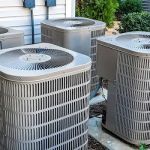 Armor Heating & Air4.0 (594 reviews)
 Sloan Plumbing & Heating, LLC.4.0 (73 reviews)
 The Cooling Center Inc.5.0 (14 reviews)
 Gee Heating and Air4.0 (2878 reviews)
 Operation Handyman of Alabama LLC4.0 (32 reviews)
 Hogle Co3.0 (18 reviews)
 Affordable Companies That Fix Air Conditioning Near You – Find Trusted Services
 What to Do When Your Air Conditioner is Short Cycling
 Quick and Affordable Ways to Fix Your Air Conditioner in Your Area
 What to Do When You Need AC Fix Immediately: Quick Solutions and Tips
 10 Signs It's Time to Replace Your Air Conditioning System
 How to Prevent Air Conditioner Breakdowns with Simple Maintenance