

AC Tune-Up Checklist: Compare What the Visit Actually Includes
Quick answer: A useful air conditioner tune-up is more than a quick rinse and a new filter. Before booking, ask for a written scope that covers thermostat operation, electrical connections, the condensate drain, system controls, indoor and outdoor coils, refrigerant performance, and airflow. During the visit, let the technician work safely, then request measured findings, recommended repairs, and an itemized invoice. This checklist helps US homeowners compare offers without treating every add-on as necessary.
1. Get the Scope in Writing Before the Appointment
“Tune-up,” “maintenance,” and “precision service” are marketing terms, not universal packages. Two companies can use the same phrase while providing very different work. Ask for a written list of included tasks, the visit price, expected duration, and any exclusions. Confirm whether the quoted price covers one cooling system or multiple indoor and outdoor units.
Look for verbs that describe actual work: inspect, test, measure, clean, tighten, and document. A vague promise to “check the AC” gives you little basis for comparison. Also ask whether filter replacement, coil cleaning, drain clearing, or diagnostic time costs extra. A low advertised price may still be reasonable, but only when you know what it buys.
ENERGY STAR recommends annual pre-season checkups and publishes a homeowner HVAC maintenance checklist. Use it as a baseline, then account for your equipment type and manufacturer instructions.
2. Share the System History and Current Symptoms
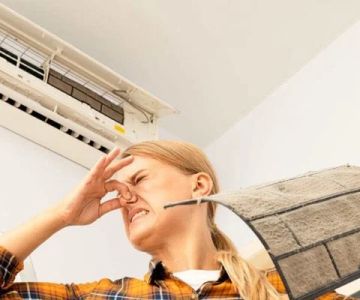
A maintenance visit is more productive when the technician knows what changed. Before arrival, write down the equipment model numbers, approximate age, last service date, recent repairs, filter size, and any thermostat alerts. Note rooms that feel warmer, new sounds, unusual odors, longer run times, water near the indoor unit, or recent increases in electricity use.
Describe when a symptom happens instead of guessing at the cause. “The upstairs stays warm after 4 p.m.” is more useful than “the compressor is failing.” Photos or short recordings can help with intermittent issues. If the system has frozen, tripped a breaker, leaked water, or produced a burning smell, tell the company while scheduling; routine maintenance may need to become a diagnostic or urgent service call.
Clear access to the thermostat, indoor equipment, electrical panel, filter slot, and outdoor condenser. Keep children and pets away from the work area. Do not remove panels or attempt to prepare electrical components yourself.

3. Include Thermostat and Operating Checks
The technician should confirm that the thermostat is reading reasonably, calling for cooling, and allowing the system to start, run, and shut down normally. Ask whether they will review mode, schedule, fan setting, and any equipment-specific configuration. A thermostat problem can imitate an equipment problem, while an incorrect schedule can create comfort complaints without a mechanical failure.
Ask the technician to record the indoor temperature and relevant operating conditions rather than making only a visual judgment. If you use a smart thermostat, have your login or app available, but never share a permanent password. You can enter credentials yourself if a setting needs review.
The goal is not to force a particular temperature at the vent. Measurements depend on indoor and outdoor conditions, system design, airflow, and where readings are taken. What matters is whether the technician uses a consistent method and explains what the result means for your equipment.
4. Expect Professional Electrical and Safety Checks
A qualified technician may inspect and tighten electrical connections, measure voltage and motor current, evaluate controls, and watch the starting and stopping sequence. These are professional tasks because HVAC equipment can contain hazardous voltage and capacitors that retain energy. Homeowners should not open service panels, touch terminals, or test a capacitor.
Ask whether electrical measurements are included and whether unusual readings will appear on the report. “Looks okay” is less useful than a documented observation. If a component is recommended for replacement, request the finding that supports the recommendation and the price before authorizing work.
If you notice smoke, scorching, a burning odor, a hot disconnect, or repeated breaker trips before the visit, turn the system off if you can do so safely and arrange prompt professional help. Do not repeatedly reset a tripping breaker; a maintenance appointment is not a reason to keep unsafe equipment running.
5. Verify the Condensate Drain and Water Controls
Cooling removes moisture from indoor air, and that water must leave through a drain or condensate pump. ENERGY STAR includes condensate-drain inspection in a typical maintenance visit because a blockage can contribute to water damage and indoor humidity problems. Ask the contractor how the drain, pan, pump, and any float switch will be checked.
A technician should look for standing water, biological buildup, loose connections, damage, and evidence of past overflow. If drain cleaning is an extra service, ask what method is used and what is included. Never agree to bypass a float switch simply to make the system run; that control may be protecting the house from an overflow.
After service, know where the drain terminates and which signs require a call: water around the indoor unit, a full emergency pan, a tripped float switch, musty odor, or repeated shutdowns. Prompt attention can limit damage even when the cooling problem seems minor.
6. Ask How Indoor and Outdoor Coils Will Be Inspected
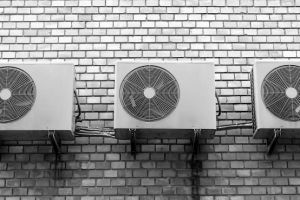
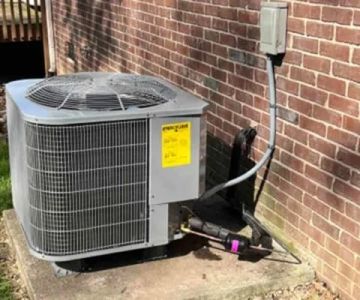
Heat must move across the indoor evaporator coil and outdoor condenser coil. Dirt, matted debris, or blocked airflow can reduce performance. A maintenance scope should say whether the coils are merely inspected or actually cleaned, and whether access or heavy cleaning costs extra.
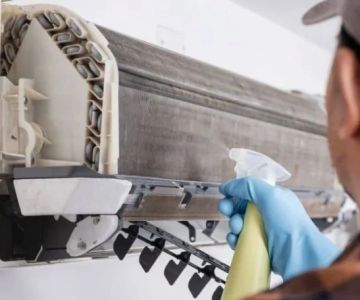
Outdoor work may include removing loose leaves and evaluating coil condition and clearance. Indoor coil access varies by installation; a technician should not promise a full cleaning without understanding the equipment. Ask whether the cleaning method and product are appropriate for the coil manufacturer. High pressure, harsh chemicals, or bent fins can cause damage.
Before-and-after photos are useful when a coil is difficult for you to see. They also help distinguish routine surface debris from a larger problem, such as corrosion, oil residue, or severe contamination that needs a separate estimate.
7. Look for an Airflow and Blower Evaluation
Cooling performance depends on moving the correct amount of air through the system. A thorough visit may include checking the filter, return and supply conditions, blower components, and accessible duct connections. ENERGY STAR notes that a contractor should clean and adjust blower components as appropriate to support proper airflow.
Ask what the package means by “airflow check.” It might be a basic visual inspection, a temperature comparison, a static-pressure test, or more detailed measurements. Those levels are not identical. If your complaint involves one hot room, weak vents, noise, or frequent freezing, tell the technician; it may justify measurements beyond a standard tune-up.
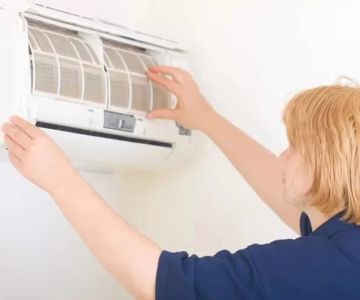
Replace or clean the filter only with the correct size and a type the system can handle. A more restrictive filter is not automatically better. Keep supply registers and return grilles open and unobstructed unless a professional design calls for something different.
8. Treat Refrigerant as a Measured Diagnosis, Not a Routine Top-Off
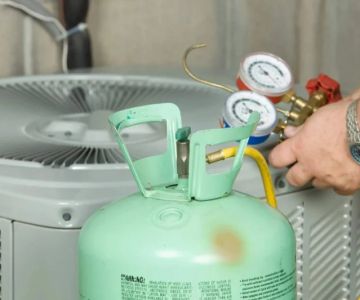
A tune-up may include evaluating refrigerant performance, but adding refrigerant should not be automatic. Air conditioners are closed systems; low charge can indicate a leak or a prior charging error. Ask what measurements led to the diagnosis, whether operating conditions were appropriate for testing, and what the next step will address.
Refrigerant handling requires trained professionals and applicable credentials. Do not open refrigerant lines or buy a do-it-yourself charging kit. If a company proposes adding refrigerant, request the refrigerant type, quantity, price, leak-evaluation plan, and written warranty implications. Older systems may require a broader repair-versus-replacement discussion, but age alone does not prove a specific fault.
Keep the service record. Charge data and repair history can help a future technician see whether a problem is recurring instead of treating each visit as isolated.
9. Request Measurements, Findings, and an Itemized Report
Before the technician leaves, ask for a readable report that separates completed maintenance from observed defects and optional improvements. It should identify the equipment serviced, tasks performed, measurements taken, parts replaced, and any areas that could not be accessed. Photos can support findings, especially for hidden coils, drains, ducts, or damaged insulation.
For a recommended repair, ask three questions: What evidence shows the problem? What happens if it is deferred? Is the price for diagnosis, repair, or both? Get authorization and cost in writing before added work begins. You can seek another opinion for a major repair unless there is an immediate safety or property-damage concern.
Keep the invoice with model and serial numbers, warranty documents, and past records. A specific service history is useful for future troubleshooting and may be required for some warranty claims. Confirm warranty terms with the manufacturer rather than relying on a general statement.
10. Plan the Next Step Without Buying From Pressure
Review urgent items first: electrical hazards, active water leaks, damaged safety controls, or conditions that could harm equipment or the home. Then separate necessary repairs from comfort upgrades and optional efficiency improvements. Ask for written prices and the reasoning behind each recommendation.
A maintenance membership can be convenient, but compare the number of visits, included equipment, priority-service terms, cancellation rules, discounts, transferability, and exclusions. Calculate the full annual cost. A discount has value only if the underlying service and price are clear.
Schedule cooling maintenance before peak summer demand when practical, and set a reminder to inspect the filter regularly according to equipment and manufacturer guidance. The best tune-up leaves you with a safer, documented system and a clear plan—not just a sticker on the cabinet.
 Gent Heating And Cooling4.0 (128 reviews)
 All Seasons Mechanical Heating & Air Conditioning5.0 (2 reviews)
 Ac Lady Inc5.0 (193 reviews)
 Professional A/C and Heating, Inc.4.0 (77 reviews)
 Irwin HVAC Services LLC4.0 (91 reviews)
 Cool 1 Air Conditoning and Heating LLC4.0 (6 reviews)
 Who Should You Trust When You Need to Air Conditioning Replace? Tips and Advice
 Can You Who Can Fix My Air Conditioner Without Replacing the Entire System?
 How to Fix an Air Conditioner That’s Blowing Hot Air Instead of Cool Air | Ac Fix
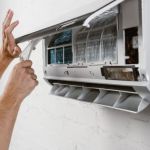 Pros and Cons of Trying to Fix AC Unit on Your Own
 Is Your Air Conditioner Not Cooling Even After You’ve Cleaned It? Here’s What to Do
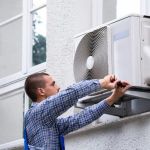 Troubleshooting Tips for an Air Conditioner That’s Not Cooling Your Home