
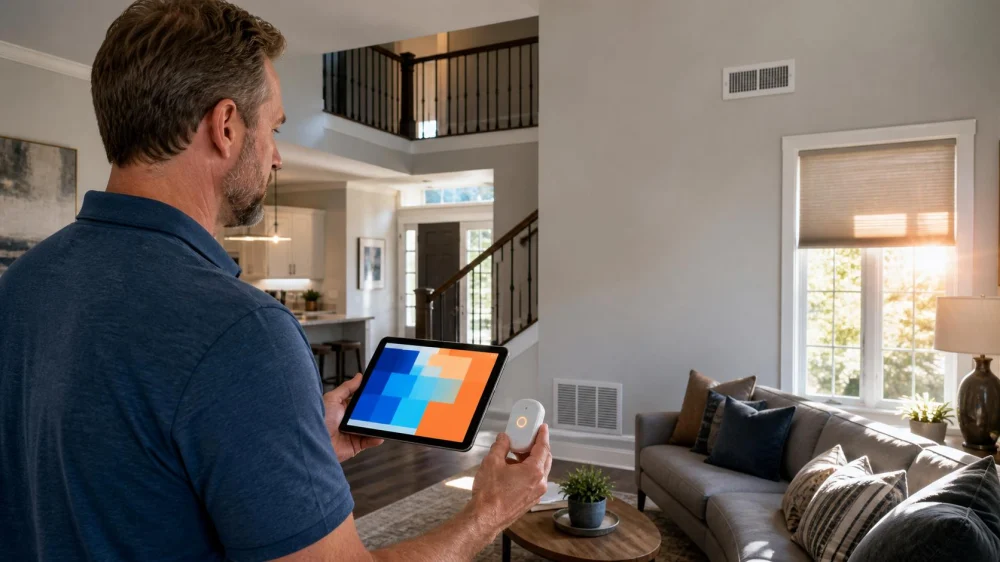
Uneven AC Cooling: Map Room Temperatures Before Service
On this page
Quick answer
If some rooms stay warmer than others, record temperatures, time, outdoor weather, thermostat setting, sunlight, occupancy, and which doors and vents are open. Check the filter, visible supply and return grilles, thermostat surroundings, and obvious airflow obstructions without opening equipment. Persistent or sudden imbalance may involve airflow, ducts, insulation, solar gain, controls, system capacity, or equipment performance and deserves HVAC evaluation.
Do not close many vents, enter unsafe attics or crawlspaces, or adjust refrigerant and electrical components.

Build a temperature map
- Use one reliable thermometer and let it stabilize in each room.
- Measure near the occupied area, away from direct sun, vents, windows, and appliances.
- Record the thermostat reading and setting at the same time.
- Note floor level, room orientation, window coverings, people, and active electronics.
- Repeat in morning, late afternoon, and evening for several comparable days.
- Mark supply and return locations on a simple floor plan.
- Write down cycle length, unusual sounds, odors, and humidity if known.
The goal is a pattern, not a perfect laboratory measurement. A single handheld reading can be distorted by placement.
Safe homeowner checks
- Confirm the thermostat is in cooling mode with a reasonable setpoint.
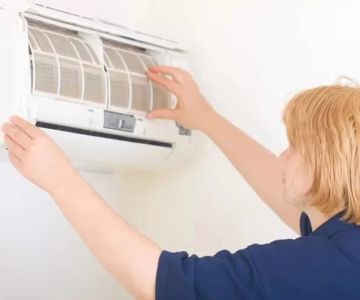
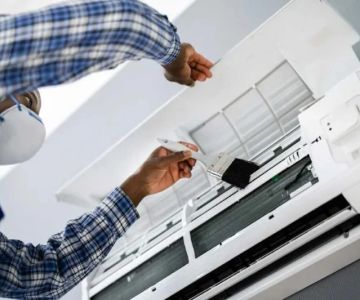
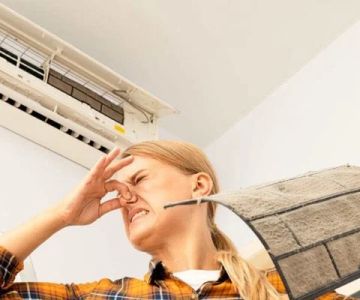
- Check whether the approved filter is dirty, damaged, or installed incorrectly.
- Keep visible supply and return grilles open and unobstructed.
- Move furniture, rugs, curtains, and boxes away from airflow paths.
- Close windows and exterior doors while the system runs.
- Use blinds or shades consistently when comparing sun-exposed rooms.
- Check that interior doors match the home’s intended return-air path.
Follow the equipment manual for filter access. Stop if the panel requires tools, exposes wiring, or does not appear intended for routine homeowner service.
Possible causes
Uneven cooling can reflect room-by-room heat gain, limited return paths, duct leakage or restriction, damaged insulation, incorrect balancing, zoning-control problems, blower issues, installation design, or equipment that does not match the home. Additions and renovations can change airflow needs.
A very cold room and a warm room may be connected symptoms. Closing the cold room’s vents can raise duct pressure and may not solve the underlying distribution problem.
What to avoid
Do not tape over returns, insert objects into ducts, remove blower panels, bend dampers blindly, or use chemical duct treatments. Avoid portable heater or fan placement that creates fire, cord, or moisture hazards.
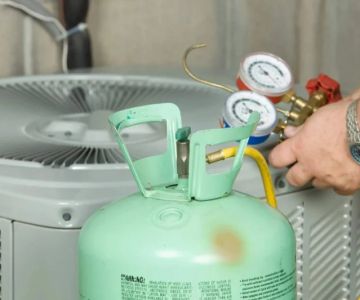
Never handle refrigerant lines, capacitors, contactors, wiring, or a condensate system beyond manufacturer-approved user tasks. Refrigerant and electrical work require trained service and may be regulated.
When to call HVAC service
Request service for a new large temperature difference, weak or absent airflow, ice, repeated short cycling, water leakage, breaker trips, burning or chemical odors, unusual noise, or poor comfort after basic checks. Shut the system off and seek prompt help for electrical signs, smoke, or significant water near energized equipment.
Provide the technician with the temperature map, filter details, system age, recent changes, and service history. This can shorten diagnosis.
Questions for the visit
- Are measured supply and return airflows appropriate?
- Is static pressure within the equipment’s requirements?
- Are ducts damaged, restricted, leaking, or poorly insulated?
- Do room loads and duct sizes align?
- Are dampers and zoning controls operating as designed?
- Would air sealing, shading, or insulation address part of the problem?
- What measurements support the proposed repair?
Frequently asked questions
Should every room have the same temperature?
Not exactly, but persistent large differences deserve investigation.
Can I close vents in unused rooms?
Closing many vents can disrupt airflow. Ask an HVAC professional about the system design.
Why is the upstairs warmer?
Solar gain, stack effect, insulation, ducts, returns, and system design can all contribute.
Will a larger AC solve uneven rooms?
Not automatically. Oversizing can create other comfort and humidity problems; request a load and distribution assessment.
Can a dirty filter affect only some rooms?
It can reduce overall airflow and make existing distribution problems more noticeable.
Sources and evidence notes
This guide follows HVAC diagnostic practice: collect repeatable comfort data, check user-serviceable airflow basics, and measure system performance before recommending changes. Exact acceptable differences and solutions depend on climate, building envelope, duct design, equipment, and manufacturer specifications.
Use equipment instructions and a qualified, licensed HVAC professional where required.
Conclusion and next steps
Create a simple room-temperature map before changing the system. Clear visible airflow paths, verify the correct filter and thermostat setting, and keep operating conditions consistent. If the pattern persists, give the data to an HVAC technician and ask for measured airflow, pressure, load, and equipment findings—not just a guess based on the warmest room.
 North Point Air Conditioning & Heating5.0 (69 reviews)
 Jay's Heating and Cooling4.0 (20 reviews)
 SERVPRO of Durant5.0 (3 reviews)
 Granado Ac5.0 (1 reviews)
 Elizabethtown Winair Co.4.0 (18 reviews)
 Palmetto Systems Inc5.0 (2 reviews)
 Top Ways to Fix Your AC Quickly and Affordably in Your Area
 The Ultimate Checklist for Fixing Air Conditioning Successfully
 How to Repair a Broken Thermostat in Your Air Conditioning System
 Can You Fix Air Conditioning Without Replacing the Entire System?
 The Ultimate Checklist to Fix Wall Air Conditioner Successfully
 How to Handle an Immediate AC Repair Emergency: Fast Solutions for Your Home