
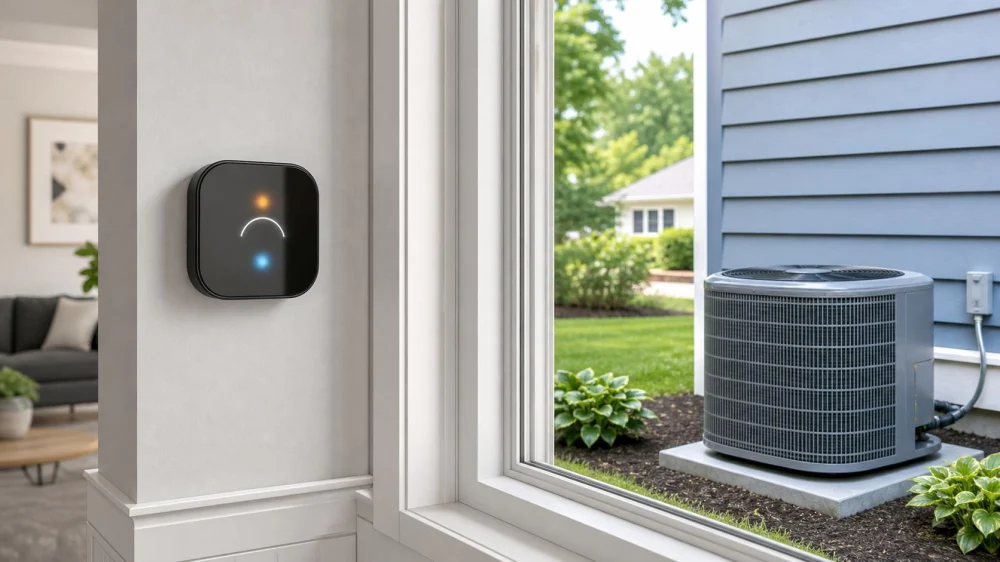
AC Short Cycling: Safe Checks Before You Call
On this page
Quick answer
AC short cycling means a cooling system starts and stops repeatedly without completing a normal cooling cycle. First confirm that the thermostat is actually calling for cooling, then check its setting, closed doors around the thermostat, a safely accessible filter and blocked supply or return grilles. Turn the system off and call an HVAC technician for burning smells, sparking, repeated breaker trips, ice, water near electrical parts or rapidly worsening symptoms.

What short cycling means
Short cycling is repeated operation in unusually brief intervals that prevents the system from reaching a stable run period or satisfying the thermostat normally. It is a symptom, not a diagnosis.
Cycle length varies with outdoor conditions, equipment type, staging, thermostat logic, home load and system capacity. Variable-speed and multi-stage systems can change output without being faulty. A single short run after a setting change is less useful than a repeated pattern across several calls for cooling.
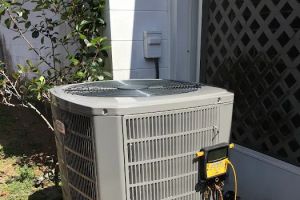
Confirm the pattern without opening equipment
- Note the thermostat display. Record room temperature, setpoint, mode, fan setting and any error or alert.
- Time several cycles. From indoors, record when cooling begins and ends; do not stand beside moving outdoor equipment.
- Identify what stops. Note whether the indoor airflow, outdoor unit or both stop, without removing panels.
- Record conditions. Include outdoor weather, time of day, occupied rooms and whether the problem follows a schedule change.
- Check comfort effects. Note uneven rooms, humidity, unusual noise, odour, ice or water.
A short video of the thermostat and audible equipment sequence can help a technician. Do not repeatedly change settings to force more cycles.
Safe homeowner checks
Thermostat basics
- Confirm the mode is Cool and the setpoint is below the measured room temperature.
- Temporarily review schedules, smart recovery, geofencing, demand-response events and hold settings.
- Make sure sunlight, a lamp, electronics, a supply register or an open exterior door is not strongly affecting the thermostat.
- Replace user-serviceable batteries if the manufacturer instructions call for it.
Airflow basics
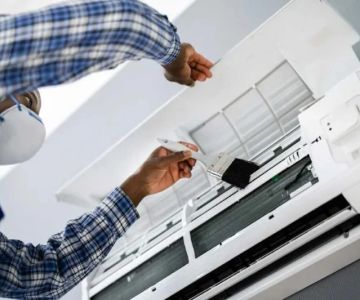
- Inspect the filter only at its normal user-access location. Replace it with the specified size and type if visibly loaded.
- Open normal supply registers and keep return grilles unobstructed by furniture, rugs or stored items.
- Look for ice on visible insulated refrigerant lines or accessible cabinet surfaces, but do not touch or remove it.
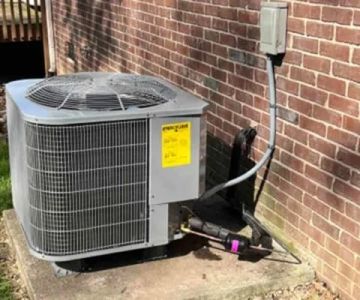
- Check that indoor and outdoor areas have normal clearance; never reach through a grille or move a running fan.
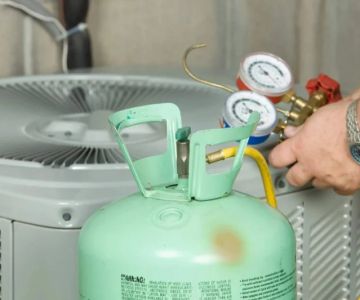
Best homeowner role: observe, document and correct simple settings or accessible obstructions. Not appropriate for DIY: opening electrical panels, testing capacitors, adding refrigerant, bypassing safeties or changing control wiring.
Possible causes a technician may evaluate
- Thermostat or sensor issue: poor placement, loose wiring, calibration error or control configuration can interrupt calls.
- Restricted airflow: a loaded filter, blocked coil, blower problem or duct restriction may trigger protective limits.
- Condensate safety response: water backup can open a float switch on systems equipped with one.
- Electrical or control fault: contactors, relays, capacitors, boards, connections or power quality may cause intermittent operation.
- Refrigerant-circuit problem: abnormal pressure, leakage, restriction or coil conditions require qualified diagnosis.
- Equipment sizing or duct design: an oversized system or inadequate distribution can satisfy one area quickly while leaving humidity or room comfort unresolved.
- Protective shutdown: overheating, high or low pressure and other monitored conditions can stop equipment to limit damage.
The same visible symptom can have several causes. Parts should not be replaced from cycle timing alone.
When to stop the system and call
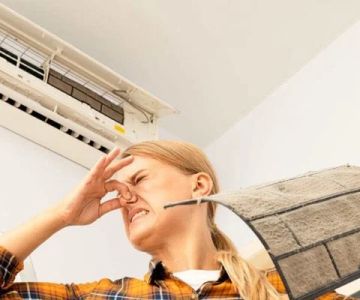
- Burning, melting, sharp electrical or strong chemical odour.
- Sparking, smoke, buzzing that rapidly worsens or a hot electrical enclosure.
- A breaker that trips again after one reset permitted by the equipment instructions.
- Ice on the coil or refrigerant line, or water near electrical components.
- Grinding, metal impact, a stalled fan or severe vibration.
- No cooling during dangerous heat, especially for people vulnerable to heat illness.
Use the thermostat or normal service disconnect only if it is safe and clearly identified. Do not open equipment or keep resetting protection devices. Seek a cool location and emergency help if anyone develops signs of heat illness.
What to ask the HVAC technician
- Which component or condition is ending the cooling call?
- Are thermostat commands and sensor readings consistent?
- Were static pressure, temperature change and blower performance checked?
- Is a safety switch opening, and what condition triggers it?
- If refrigerant is suspected, was the leak or restriction identified before proposing a charge?
- Are electrical readings within the equipment manufacturer's specifications?
- Does the proposed repair address the cause rather than only resetting the system?
- What observations should the homeowner monitor afterward?
For local service discovery, compare applicable state or local licensing, insurance, written diagnostic findings, repair scope and parts/workmanship terms. A directory listing is a starting point, not verification of current credentials.
Evidence and scope notes
This guide follows broad HVAC safety practice: start with controls and accessible airflow, preserve protective devices and leave sealed refrigerant and energized electrical work to qualified personnel. Exact normal cycle behavior and test specifications come from the equipment and thermostat manufacturers.
This information is not a remote diagnosis. U.S. code, licensing and refrigerant-handling requirements vary, and only an on-site assessment can connect measurements to the reported symptom.
Frequently asked questions
How short is too short for an AC cycle?
There is no universal minute threshold. Equipment type, load and controls matter. Repeated starts and stops that fail to maintain temperature or humidity are more informative than one timed cycle.
Can a dirty filter cause short cycling?
Yes, restricted airflow can contribute to protective shutdowns, but replacing a dirty filter may not resolve an existing coil, blower, duct or control problem.
Should I keep lowering the thermostat?
No. A lower setpoint does not make most systems cool faster and can keep a faulty system attempting repeated operation.
Can I reset the breaker?
Follow the equipment instructions. If a breaker trips again, leave it off and call a professional; repeated resets can conceal an electrical fault and increase risk.
Is short cycling always caused by oversized equipment?
No. Oversizing is one possible design cause, but thermostat, airflow, condensate, electrical, refrigerant and safety-control problems can create similar behavior.
Next steps
Record thermostat settings and several cycle times, check the accessible filter and grilles, and note ice, water, noise or odour. If the pattern persists after simple safe corrections—or any hazard sign appears—turn the system off as appropriate and schedule a qualified HVAC diagnosis with your notes ready.
 Stanford&Sons Ac Electric Repair and Install llc4.0 (76 reviews)
 Cannell Air Conditioning & Heating5.0 (23 reviews)
 Hollandsworth Heating and Air5.0 (16 reviews)
 Ken Vaughn's Home Comfort Services4.0 (9 reviews)
 Family Heating and Air4.0 (22 reviews)
 Clark Heating & Cooling, Inc.4.0 (673 reviews)
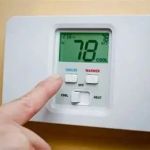 How to Fix a Faulty Thermostat in Your Air Conditioner
 How to Prepare for an AC Service Appointment: What You Should Know
 How to Maintain Your Air Conditioner’s Fan for Smooth Operation
 Affordable Companies That Can Fix My Air Conditioner Near You
 Top Ways to Get My AC Fixed Quickly and Affordably in Your Area | AC Fix
 How Long Should It Take to Fix Air Conditioner? | AC Fix