
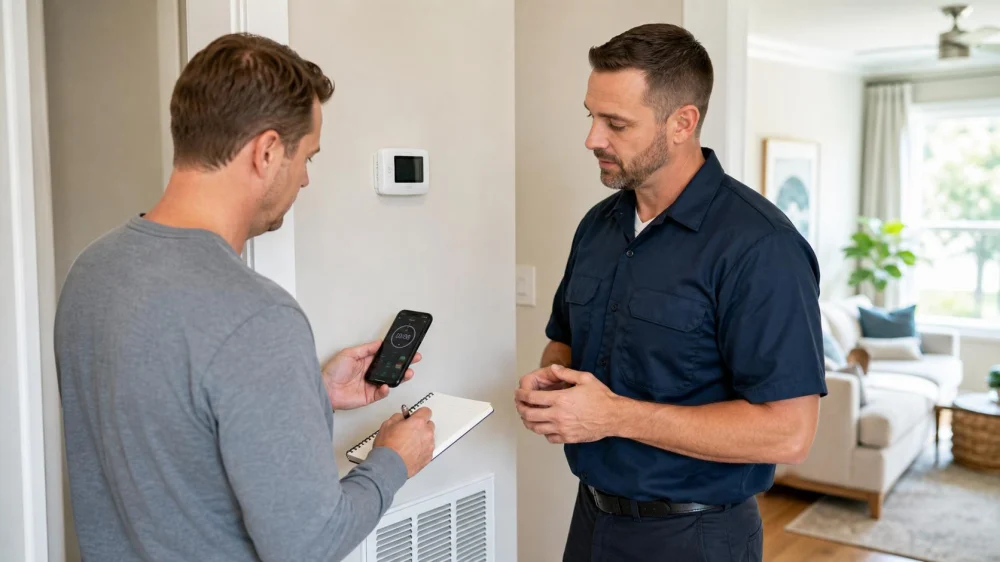
AC Short Cycling: Record the Timing Before You Call
On this page
Quick answer
AC short cycling means cooling starts and stops more frequently than expected. Do not guess at refrigerant or electrical repairs. Record run and off times, thermostat settings, indoor conditions, sounds, and warning codes. Check only the filter, vents, thermostat mode, and outdoor clearance, then call a qualified HVAC technician if the pattern continues or any safety warning appears.
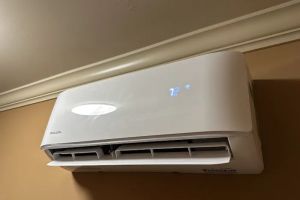
What short cycling means
An air conditioner normally runs in cycles that vary with weather, home heat gain, equipment capacity, and control settings. Short cycling is a repeated pattern of unusually brief runs or rapid restarts that prevents steady cooling.
There is no single minute threshold for every system. Variable-speed and multi-stage equipment behaves differently from a basic single-stage unit. Focus on a new, persistent pattern and compare it with the equipment's normal operation.
Coastal Cooling and Heating - AC Repair and Installation Company
AbbevilleVermilion ParishLouisiana
8740 LA-339, Abbeville, LA 70510, USA
Record the pattern
- Note the thermostat setpoint and displayed room temperature.
- Time when cooling starts and stops for several cycles.
- Record outdoor temperature and sunlight if known.
- Note whether indoor and outdoor units stop together.
- Capture sounds, odors, water, ice, or error codes from a safe distance.
- Write down recent filter, thermostat, repair, or power changes.
Do not repeatedly change settings while collecting information. A stable record gives the technician a clearer starting point.
Safe homeowner checks
- Confirm the thermostat is on cooling and the fan setting is intended.
- Check that the thermostat is not being heated by a lamp, appliance, open window, or direct sun.
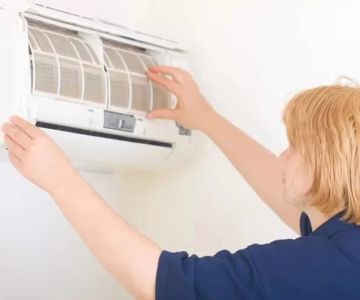
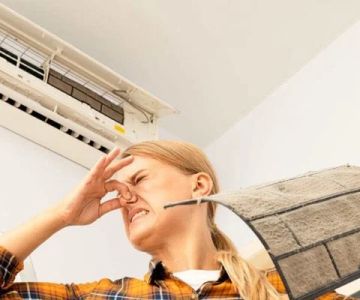
- Inspect the air filter and replace it only with the correct size and approved type.
- Open supply registers and make sure return grilles are not blocked.
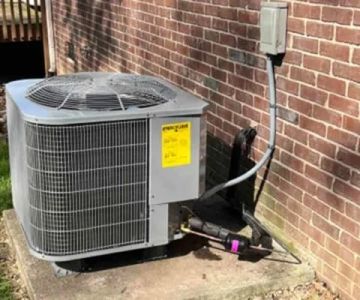
- From the ground, check that leaves and objects do not obstruct the outdoor unit.
- Review the user manual for displayed alerts.
Turn power off before opening any homeowner-accessible panel, and do not remove service panels. Filters and access differ by system.
Possible causes
Short cycling can result from airflow restriction, thermostat location or control faults, frozen coils, condensate safety switches, electrical problems, refrigerant issues, overheating components, or equipment that is oversized for the load. Duct problems or zoning controls can also contribute.
The visible symptom does not identify the cause. Adding refrigerant without finding a confirmed leak, replacing a thermostat on a guess, or bypassing a safety switch can waste money and create danger.
When to stop the system
Turn cooling off and seek prompt service if you see ice, water near electrical parts, repeated breaker trips, a burning or chemical odor, smoke, sparks, or harsh mechanical noise. Leave the area and call emergency services for smoke, fire, or suspected gas or refrigerant exposure with breathing symptoms.
Do not continue resetting a breaker. An electrical fault requires qualified diagnosis.
What not to do
- Do not open electrical or refrigerant compartments.
- Do not bypass a float switch, pressure control, or thermostat.
- Do not chip ice from a coil.
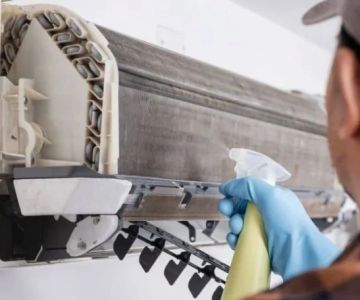
- Do not spray cleaner into equipment without approved directions.
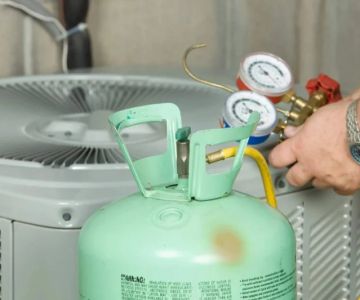
- Do not add refrigerant or use a leak-sealing product yourself.
Prepare for the service call
Give the technician the model and serial numbers, cycle log, error codes, filter details, maintenance history, and recent changes. Ask the company to diagnose before replacing parts.
A useful written estimate identifies the fault, tests performed, parts, labor, refrigerant handling, warranty, and any further work. For an oversized or replacement system concern, ask whether a recognized load calculation supports the recommendation.
Verify the result
- Ask what caused the cycling and how it was confirmed.
- Review replaced parts and settings.
- Run the system with the technician present.
- Confirm normal condensate drainage and airflow.
- Keep the invoice and diagnostic readings.
- Monitor several cycles under comparable conditions.
Important limitations
This article is general information, not remote diagnosis or repair instruction. Equipment design, climate, building load, controls, and electrical requirements vary. Refrigerant and electrical work must be performed by properly qualified professionals under applicable rules.
Sources and evidence notes
- U.S. Department of Energy: air-conditioner maintenance, sizing, and efficiency guidance.
- ENERGY STAR: HVAC maintenance and quality-installation information.
- Air Conditioning Contractors of America: recognized load-calculation and HVAC quality standards.
- Equipment manufacturer documentation: model-specific controls, codes, filters, and safe operating instructions.
Frequently asked questions
Is short cycling always caused by an oversized AC?
No. Oversizing is one possibility among airflow, controls, drainage, electrical, refrigerant, and equipment faults.
Can a dirty filter cause short cycling?
Restricted airflow can contribute to protective shutdowns or icing. Use the correct approved filter and seek service if cycling continues.
Should I lower the thermostat further?
No. A lower setting does not make most systems cool faster and may extend unsafe or ineffective operation.
Why does the system restart after a few minutes?
Controls may include delays, or a safety condition may reset temporarily. Record the timing and let a technician identify the cause.
Conclusion
Short cycling is a symptom, not a diagnosis. Preserve the pattern, make only safe external checks, and stop the system when electrical, odor, water, ice, or noise warnings appear. A qualified technician should test the system, identify the actual cause, and demonstrate stable operation after repair.
 D & D Climate Control5.0 (404 reviews)
 Air Masters of Tampa Bay4.0 (1485 reviews)
 Collards Heating & Air Conditioning4.0 (16 reviews)
 Key Heating And Cooling, Inc.4.0 (24 reviews)
 American LubeFast4.0 (642 reviews)
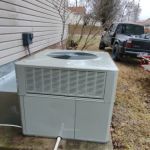 Batson and Phillips Heating and Air INC4.0 (37 reviews)
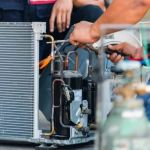 The Top Causes of Air Conditioner Failure and How to Fix Them
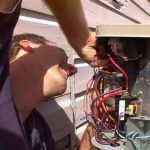 Who Should You Trust When You Need to Fix Central Air Conditioning?
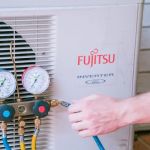 Who Should You Trust When You Need to Fix AC Condenser?
 How Long Should It Take to Fix an Air Conditioner? Time Expectations and Common Issues
 How to Solve Air Conditioner Filter Clogging Issues Effectively
 Why Your Air Conditioner Is Running Too Much and How to Fix It