
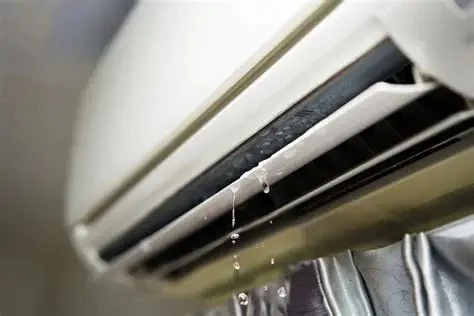
Experts Explain How to Fix Air Conditioning Leak Like a Pro
- 1. Understanding Air Conditioning Leaks
- 2. Signs of a Leak in Your Air Conditioner
- 3. Common Causes of Air Conditioning Leaks
- 4. Steps to Fix an Air Conditioning Leak
- 5. Tools and Materials You Need
- 6. When to Call a Professional for Air Conditioning Leaks
- 7. Real-Life Experiences and Solutions
1. Understanding Air Conditioning Leaks
An air conditioning leak can be one of the most frustrating issues you face with your HVAC system. When there’s a leak, it can significantly impact the performance and efficiency of your air conditioner, leading to higher energy bills and less effective cooling. Understanding the basics of air conditioning leaks will help you identify problems early and take action to address them before they escalate.
In most cases, an AC leak involves a refrigerant leak, which is essential for cooling your home. Without the right amount of refrigerant, your air conditioner won’t work properly, leading to reduced cooling power and potential damage to the system.
Service Experts Plumbing and Drain Service
D'IbervilleHarrison CountyMississippi
3301a Warrior Dr Suite A, D'Iberville, MS 39540, USA
2. Signs of a Leak in Your Air Conditioner
The first step in fixing an air conditioning leak is recognizing the signs. Here are some common indicators that you may have a leak:

Advanced Products & Service , Inc.
HarrodsburgMercer CountyKentucky
346 E Office St, Harrodsburg, KY 40330, USA
1. Reduced Cooling Power
If your AC system isn’t cooling as effectively as it used to, it may be due to a refrigerant leak. When refrigerant levels drop, the cooling power is compromised, and your air conditioner may run constantly without reaching the desired temperature.
2. Ice Buildup on Coils
A common sign of a refrigerant leak is ice forming on the evaporator coils. When refrigerant levels are low, the coils get too cold, causing moisture in the air to freeze, which can restrict airflow and further damage the system.
3. Hissing or Bubbling Noises
If you hear hissing or bubbling noises near the unit, it could be a sign that refrigerant is leaking out. These sounds occur when the refrigerant escapes under pressure, signaling a potential problem.
4. Higher Energy Bills
If your AC system is working harder to compensate for the loss of refrigerant, it will consume more energy. A noticeable spike in energy bills could be due to an underlying refrigerant leak.
3. Common Causes of Air Conditioning Leaks
Understanding the causes of air conditioning leaks is essential for addressing the issue effectively. The most common causes include:
1. Corrosion of Copper Tubing
Over time, copper tubing in your AC system can corrode due to exposure to moisture and air. Corrosion can create tiny holes or cracks where refrigerant can leak out.
2. Loose Connections
If the fittings and connections in your AC unit aren’t properly tightened, refrigerant can escape. This is a common problem in both new and older systems.
3. Physical Damage
Accidental physical damage to your AC unit, such as from debris or improper handling, can puncture refrigerant lines and cause leaks.
4. Faulty Manufacturing
In rare cases, faulty manufacturing or poor-quality components can result in air conditioning leaks. These issues are often covered by warranty if the system is still under coverage.
4. Steps to Fix an Air Conditioning Leak
Fixing an air conditioning leak like a pro involves a series of steps. Here's how you can tackle the issue:
1. Turn Off the Power
Before you begin, turn off the power to the air conditioning unit to avoid any electrical hazards.
2. Locate the Leak
The next step is to locate the source of the leak. This can sometimes be done by inspecting the refrigerant lines for visible damage or frost buildup. If the leak is not obvious, you may need a UV dye to pinpoint the issue.
3. Seal the Leak
If the leak is small, it can be sealed using a refrigerant leak sealant. For more significant leaks, the damaged components (such as tubing or coils) may need to be replaced.
4. Refill the Refrigerant
After sealing the leak, you will need to refill the refrigerant to the proper levels. This step should be done carefully, as overfilling or underfilling the system can cause further issues.
5. Test the System
Turn the system back on and monitor its performance. If the leak is properly sealed, the system should cool effectively without any further issues.
5. Tools and Materials You Need
To fix an air conditioning leak, you will need the following tools and materials:
- Refrigerant leak sealant
- UV leak detection dye
- Wrenches for tightening fittings
- Refrigerant refill kit
- Safety gloves and goggles
- Leak detection equipment (optional, for advanced cases)
6. When to Call a Professional for Air Conditioning Leaks
While some DIY fixes are possible, it's often best to call a professional HVAC technician for air conditioning leaks. If you are unable to locate the leak, if the damage is extensive, or if you’re unsure about handling refrigerants safely, a professional will have the expertise and equipment to perform a thorough inspection and repair.
At Ac Fix, we offer expert HVAC services and can help you with everything from minor fixes to full AC system repairs. Don’t hesitate to reach out for assistance with air conditioning leaks.
7. Real-Life Experiences and Solutions
Many homeowners have successfully repaired their air conditioning leaks with the help of professional guidance. Take Jane, for example. She had noticed that her AC wasn’t cooling as effectively, and after checking the refrigerant lines, she discovered a small leak. After using a leak sealant and refilling the refrigerant, her system was back to normal, saving her the cost of a major repair.
Another case involved Tom, whose AC unit was making hissing sounds. A professional HVAC technician discovered a large leak in the refrigerant line and replaced the damaged section, restoring the unit’s cooling efficiency and preventing further damage.

 Cornerstone AC & Heating4.0 (15 reviews)
 TemperaturePro Charleston4.0 (334 reviews)
 Pioneer Heating & Air Services5.0 (11 reviews)
 Adas Auto Repair & Towing4.0 (65 reviews)
 A/C Doctors Inc.4.0 (470 reviews)
 SERVPRO of Alexandria4.0 (42 reviews)
 Fastest Way to Fix AC Unit Without Getting Overcharged in the US
 How Long Should It Take to Fix an Air Conditioning Leak?
 Top Ways to Fix Your AC Quickly and Affordably in Your Area
 How to Fix Air Conditioners Without Spending a Fortune
 Best Practices for a Successful and Affordable AC Fix
 Where to Fix Air Conditioning in Emergency Situations: Quick Solutions