
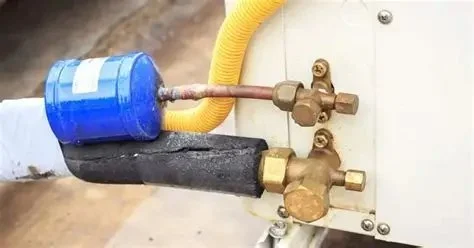
How to Fix a Faulty Air Conditioner Refrigerant Valve: A Step-by-Step Guide
Air conditioners are essential for comfort, especially during the hot summer months. However, when your AC begins to lose cooling efficiency or stops working altogether, one of the common culprits could be a faulty refrigerant valve. In this guide, we’ll take you through the process of diagnosing and fixing a faulty refrigerant valve in your air conditioning system. Whether you're an experienced DIYer or a first-time fixer, this article will help you troubleshoot and potentially repair the issue yourself.
- 1. Understanding Refrigerant Valves
- 2. Common Signs of a Faulty Refrigerant Valve
- 3. Tools Required for Fixing the Valve
- 4. Steps to Fix a Faulty Refrigerant Valve
- 5. When to Call a Professional HVAC Technician
1. Understanding Refrigerant Valves
Refrigerant valves are integral components in your air conditioning system. They control the flow of refrigerant, which is responsible for absorbing heat from inside your home and releasing it outside. The refrigerant valve works in tandem with other parts of the system, like the compressor and evaporator coil, to maintain the cooling cycle. A malfunctioning valve can cause your AC to underperform or stop cooling altogether.
O'Brien Service Company
WilmingtonNew Hanover CountyNorth Carolina
5516 Business Dr, Wilmington, NC 28405, USA
2. Common Signs of a Faulty Refrigerant Valve
When the refrigerant valve is faulty, several signs can indicate a problem. The most common symptoms include:
- Reduced Cooling Capacity: If your AC is running but not cooling as effectively, the refrigerant flow may be restricted by a faulty valve.
- Constantly Low Pressure: Refrigerant systems operate under pressure, and a malfunctioning valve may result in low or inconsistent pressure readings.
- Refrigerant Leaks: A faulty valve can cause refrigerant to leak, which not only reduces efficiency but can also damage the environment.
- Strange Noises: A hissing or bubbling sound near the valve area may indicate a refrigerant leak or a clog in the valve mechanism.
If you notice any of these symptoms, it’s essential to address the problem quickly to avoid further damage to the AC unit and prevent refrigerant loss, which can be costly.

Foothills Heating & Air
HickoryCatawba CountyNorth Carolina
115 Catawba Valley Blvd SE, Hickory, NC 28602, USA
3. Tools Required for Fixing the Valve
Before you start the repair process, make sure you have the necessary tools. Here’s a list of what you’ll need:
- Adjustable wrenches and pliers
- Refrigerant gauge (to measure refrigerant pressure)
- Leak detector
- Screwdrivers (flathead and Phillips)
- Refrigerant valve replacement kit
- Safety gloves and goggles
Make sure to handle refrigerant properly, as it can be dangerous. Always wear protective gear and follow safety guidelines while working with the system.
4. Steps to Fix a Faulty Refrigerant Valve
Now that you understand the tools required and the potential signs of a faulty valve, here are the step-by-step instructions for repairing or replacing the valve:
- Turn Off the Power: Before working on any air conditioning system, make sure to turn off the power to the unit at the breaker box. This ensures your safety during the repair.
- Locate the Refrigerant Valve: The refrigerant valve is typically found near the compressor or the condenser unit. Refer to your unit’s manual if you're unsure of its location.
- Check for Leaks: Use a leak detector to check the valve for any refrigerant leaks. If the valve is leaking, it may need to be replaced entirely.
- Disconnect the Valve: Using the proper wrenches, carefully disconnect the faulty valve. Be cautious not to damage surrounding components.
- Install the New Valve: If replacing the valve, install the new valve by following the manufacturer’s instructions. Ensure all connections are tight and secure.
- Recharge the Refrigerant: After installing the new valve, you’ll need to recharge the system with refrigerant. Use a refrigerant gauge to check the system’s pressure and make sure it’s at the correct level.
- Test the System: Once everything is reassembled and the refrigerant is recharged, turn the power back on and test the system. Check for normal cooling performance and ensure there are no leaks.
These steps should help you fix or replace a faulty refrigerant valve and restore your air conditioner's performance.
5. When to Call a Professional HVAC Technician
While DIY repairs can be cost-effective, working with refrigerants and HVAC systems can be dangerous without the proper training. If you’re unsure about your ability to perform the repair or if the valve replacement involves complicated steps, it’s best to call in a professional. Certified HVAC technicians have the skills and knowledge to safely and effectively handle refrigerant systems, ensuring that your AC works properly without causing further issues.
If you're looking for trusted professionals, check out Ac Fix for expert services and product recommendations.
 Excellent Air Conditioning & Heating LLC.5.0 (2 reviews)
 Dunn's Auto Repair4.0 (281 reviews)
 Jacksonville Heating Contractors4.0 (678 reviews)
 Tropical Heating & Cooling Inc4.0 (23 reviews)
 Lippard Heating & Air5.0 (43 reviews)
 R.J. Kielty Plumbing, Air Conditioning and Electric, Inc.4.0 (205 reviews)
 What to Do When You Need Someone to Fix Your Air Conditioner Immediately
 How to Troubleshoot and Fix a Noisy Air Conditioner | AC Fix
 Why Your AC Might Be Short Cycling and How to Fix It
 DIY vs Professional: Should You Fix Your Air Conditioning Yourself?
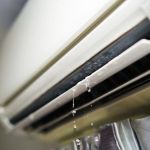 10 Signs It's Time to Fix Your Air Conditioner: Expert Guide
 How to Handle Air Conditioner Water Leaks and Prevent Damage