
- Understanding-Refrigerant-Leaks
- Early-Signs-Of-A-Refrigerant-Leak
- Advanced-Warning-Signs
- Common-Causes-Of-Refrigerant-Leaks
- What-To-Do-If-You-Suspect-A-Leak
- Preventing-Future-Refrigerant-Problems
Understanding Refrigerant Leaks
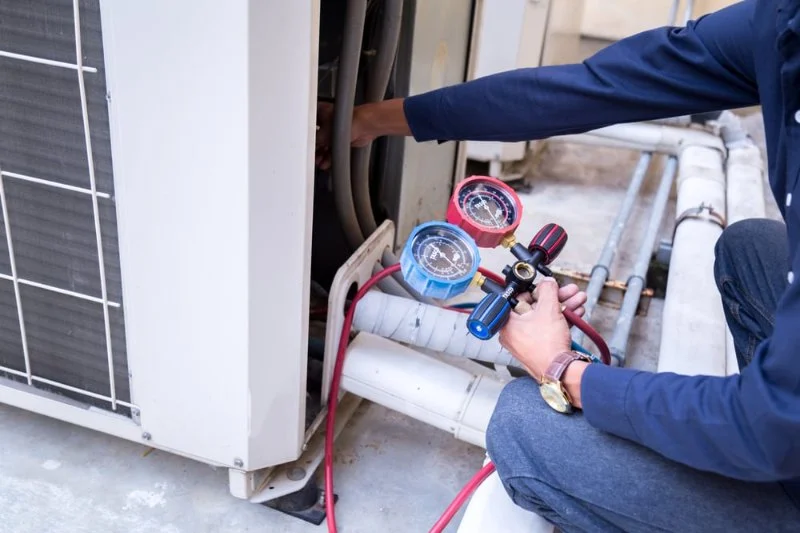
Learning How to Recognize Signs of an Air Conditioner Refrigerant Leak can help homeowners avoid expensive repairs and uncomfortable indoor temperatures. Refrigerant is essential to your air conditioning system because it absorbs heat from indoor air and releases it outside. When refrigerant levels drop due to a leak, the system loses efficiency and eventually stops cooling properly.
1. Why Refrigerant Matters
Refrigerant circulates continuously through sealed copper lines inside your AC unit. Unlike fuel, refrigerant is not supposed to be "used up." If levels become low, it usually indicates a leak somewhere in the system.
1.1 Cooling Performance Dependence
Proper refrigerant levels allow the evaporator coil to absorb heat efficiently. When levels fall, cooling becomes uneven and rooms may remain warm even when the system runs continuously.
1.2 Energy Efficiency Impact
Low refrigerant forces your system to work harder and run longer cycles, increasing electricity costs and mechanical wear.
Many homeowners first notice performance changes and begin researching solutions through Ac Fix to identify reliable repair options.
Early Signs Of A Refrigerant Leak
The earliest symptoms are often subtle. Recognizing them early can prevent compressor damage and costly repairs.
1. Reduced Cooling Power
1.1 Longer Cooling Cycles
If your air conditioner runs longer than usual without reaching the desired temperature, a refrigerant issue could be developing.
1.2 Uneven Room Temperatures
Some rooms may feel cool while others remain warm, especially in larger homes with central air systems.
2. Higher Energy Bills
2.1 Increased System Runtime
When refrigerant levels drop, the system struggles to remove heat efficiently, causing longer operation times.
2.2 Gradual Cost Increase
Homeowners often notice a steady rise in summer energy bills before realizing something is wrong.
3. Warm Air From Vents
3.1 Reduced Heat Exchange
If the refrigerant cannot absorb enough heat, the air coming from vents may feel only slightly cool or even warm.
3.2 Thermostat Confusion
Homeowners sometimes mistakenly blame the thermostat when the real problem is refrigerant loss.
One homeowner in Florida noticed their AC running nonstop during a heatwave but still couldn't cool the house below 78°F. A technician later discovered a small refrigerant leak that had slowly developed over two years.
Advanced Warning Signs
When refrigerant leaks continue untreated, more obvious symptoms appear.
1. Ice Formation on Coils
1.1 Evaporator Coil Freezing
Low refrigerant pressure can cause the evaporator coil to freeze. Ice buildup restricts airflow and worsens cooling problems.
1.2 Water Around Indoor Units
When frozen coils thaw, water may drip around the indoor unit or furnace area.
2. Hissing or Bubbling Sounds
2.1 Pressurized Gas Escaping
Refrigerant escaping through small holes can create hissing noises.
2.2 Larger Leak Indicators
Bubbling sounds may indicate refrigerant leaking through liquid lines.
3. AC System Short Cycling
3.1 Frequent Starts and Stops
Short cycling occurs when the system repeatedly turns on and off due to improper pressure levels.
3.2 Compressor Stress
This behavior places significant stress on the compressor and can shorten the system’s lifespan.
Common Causes Of Refrigerant Leaks
Understanding causes helps homeowners better recognize How to Recognize Signs of an Air Conditioner Refrigerant Leak and prevent future issues.
1. Corrosion of Refrigerant Lines
1.1 Chemical Reactions
Formic acid corrosion can develop inside copper tubing over time, creating tiny pinhole leaks.
1.2 Aging Systems
Older air conditioning systems are especially vulnerable to corrosion-related leaks.
2. Loose Connections
2.1 Vibration Damage
Normal system vibration may loosen fittings over time.
2.2 Installation Problems
Poor installation can lead to improperly sealed joints.
3. Physical Damage
3.1 Outdoor Unit Impact
Outdoor condenser units may be damaged by lawn equipment or falling debris.
3.2 Line Wear
Refrigerant lines rubbing against surfaces may develop weak points.
What To Do If You Suspect A Leak
Taking prompt action protects your system and prevents expensive repairs.
1. Turn Off the System if Necessary
1.1 Preventing Compressor Damage
If cooling performance drops significantly or ice forms, turning off the system can prevent compressor failure.
1.2 Avoiding Further Damage
Running the system with low refrigerant can cause long-term mechanical issues.
2. Schedule a Professional Inspection
2.1 Leak Detection Methods
Technicians use electronic detectors, dye testing, and pressure testing to locate leaks accurately.
2.2 Proper Repairs
Simply adding refrigerant without fixing the leak provides only temporary relief.
Many homeowners use Ac Fix to compare repair services and find qualified HVAC professionals.
Preventing Future Refrigerant Problems
Preventive maintenance reduces the likelihood of future refrigerant leaks.
1. Regular Maintenance Checks
1.1 Annual Inspections
Yearly HVAC inspections help detect small leaks before they become serious problems.
1.2 Pressure Testing
Technicians can verify refrigerant pressure levels during maintenance visits.
2. Keeping Outdoor Units Protected
2.1 Physical Barriers
Protective covers and careful landscaping reduce the risk of accidental damage.
2.2 Clean Surroundings
Removing debris helps maintain airflow and reduces corrosion risk.
3. Monitoring System Performance
3.1 Tracking Cooling Efficiency
Sudden changes in cooling performance often indicate developing problems.
3.2 Watching Utility Bills
Unexpected increases in electricity use can signal declining system efficiency.
Homeowners who understand How to Recognize Signs of an Air Conditioner Refrigerant Leak can catch problems early and avoid costly system failures. Early detection and professional repair keep air conditioning systems efficient and reliable throughout the hottest months of the year.
 Wallace-Dunn HVAC, Inc.5.0 (20 reviews)
 SUNCOAST AC & HEAT5.0 (10 reviews)
 Operation Handyman of Alabama LLC4.0 (32 reviews)
 Symbiont Service Corp4.0 (325 reviews)
 Mills Heating & Air4.0 (746 reviews)
 ACF Services Company4.0 (22 reviews)
 What to Do When You Need Someone Who Can Fix My AC Immediately
 How Long Should It Take to Fix an Air Conditioner? – Timely Repairs Explained
 How to Fix Air Conditioning Issues Immediately | Expert Repair Tips
 Experts Explain How to Fix Your AC Like a Pro
 Top Ways to Get My AC Fixed Quickly and Affordably in Your Area | AC Fix
 Fastest Way to Air Conditioning Replacement Without Getting Overcharged