
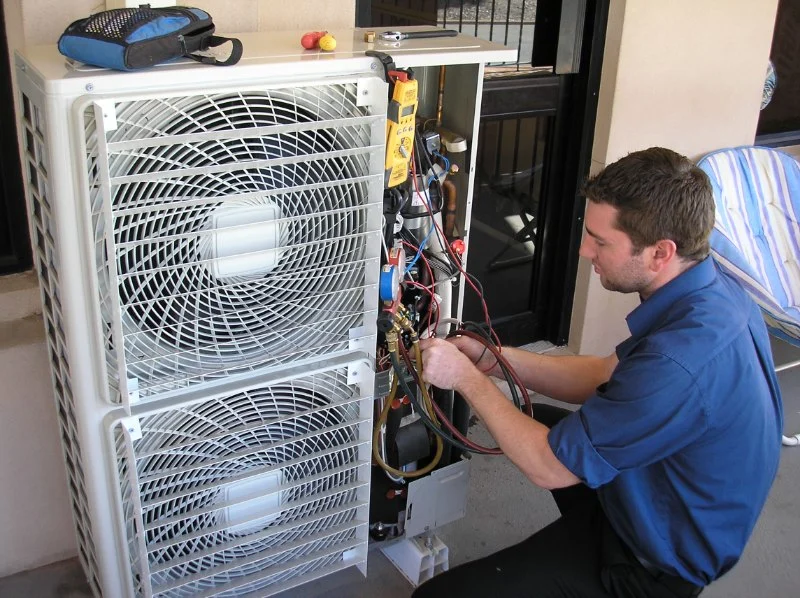
- 1 - Why Fixing Your Central Air Conditioning Unit is Important
- 2 - Signs Your Central Air Conditioning Unit Needs Repair
- 3 - DIY Tips for Fixing Your AC Unit
- 4 - When to Call a Professional for AC Repair
- 5 - Cost of Repairing a Central Air Conditioning Unit in 2025
- 6 - Preventive Maintenance Tips to Avoid AC Problems
1. Why Fixing Your Central Air Conditioning Unit is Important
Maintaining your central air conditioning unit is crucial for ensuring comfort, especially during hot summer months. A well-functioning air conditioner keeps your home cool, improving air quality and making your living space more comfortable. When your unit begins to show signs of trouble, it’s essential to address issues promptly to avoid more severe problems, higher repair costs, and energy inefficiency. In this article, we’ll provide a comprehensive guide to help homeowners understand how to fix their AC units, including when to DIY and when to call in the experts.
2. Signs Your Central Air Conditioning Unit Needs Repair
If you want to prevent your AC from breaking down unexpectedly, watch for these warning signs that may indicate that your central air conditioning unit needs repair:
- Weak Airflow: If your AC is running but airflow seems weaker than usual, the issue could be a clogged filter, blocked ductwork, or a failing blower motor.
- Warm Air: If the air blowing out of the vents is warm despite the system being set to cooling mode, the problem could be a refrigerant leak or a faulty compressor.
- Strange Noises: Unusual noises like grinding, rattling, or buzzing may suggest internal mechanical problems that require attention.
- High Humidity: An air conditioner that fails to dehumidify properly may be struggling to cool effectively, which can lead to an uncomfortable indoor environment.
- Frequent Cycling: If your AC frequently cycles on and off, it could be a sign of a faulty thermostat or an issue with the compressor or capacitor.
- Bad Odors: Musty or burning odors are red flags indicating that there may be mold in the ducts, a burned-out component, or an electrical issue.
3. DIY Tips for Fixing Your AC Unit
If you're handy around the house, there are several steps you can take to troubleshoot and fix minor issues with your central air conditioning unit:
- Replace the Air Filter: A clogged filter reduces airflow, which can lead to the system working harder and potentially overheating. Make sure to replace the filter every 1–3 months, depending on usage.
- Clean the Coils: Dirty coils can reduce the system's efficiency. Turn off the power, and clean the evaporator and condenser coils using a coil cleaner or a soft brush.
- Check the Thermostat: Ensure the thermostat is set to the correct temperature and mode. If it’s malfunctioning, try recalibrating it or replacing the batteries if it's a digital model.
- Inspect the Condensate Drain: Ensure that the condensate drain is clear to prevent water damage or mold growth inside the unit.
4. When to Call a Professional for AC Repair
While DIY fixes are helpful for minor problems, some issues require the expertise of a licensed HVAC technician. Call a professional if:
- You can’t identify the problem: If troubleshooting doesn’t resolve the issue, a technician can diagnose and repair complex problems such as refrigerant leaks or compressor failure.
- There’s a refrigerant leak: Handling refrigerant requires specialized tools and knowledge. A professional can check the levels, identify leaks, and safely replenish it.
- The system is old: If your AC is more than 10-15 years old, it may be time for a complete system replacement rather than expensive repairs.
5. Cost of Repairing a Central Air Conditioning Unit in 2025
The cost of repairing a central air conditioning unit can vary depending on the type of repair needed and your location. On average, homeowners can expect to pay:
- Minor Repairs: Simple fixes like replacing a filter or cleaning the coils typically cost between $100 and $300.
- Major Repairs: More significant repairs, such as replacing the compressor or fixing a refrigerant leak, can range from $500 to $2,000.
- System Replacement: If your unit is beyond repair, replacing it with a new, energy-efficient model may cost between $3,000 and $7,000, depending on the size and brand.
It’s essential to get quotes from multiple contractors to ensure you’re getting a fair price for your AC repairs or replacement.

Air Star Heating and A.C., Inc.
12127 Jones Maltsberger Rd, San Antonio, TX 78247, USA
6. Preventive Maintenance Tips to Avoid AC Problems
To extend the lifespan of your air conditioning system and prevent costly repairs, regular maintenance is key. Here are some tips:
- Regularly Replace Air Filters: Change filters every 1–3 months to keep the air clean and the system running efficiently.
- Schedule Annual Tune-Ups: Hire a professional to inspect and maintain your system annually, checking for any potential problems.
- Seal Leaks in Ductwork: Leaky ducts can reduce the effectiveness of your AC. Make sure your ducts are sealed properly to improve airflow and reduce energy costs.
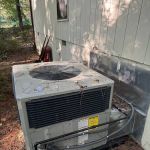
- Keep the Area Around the Unit Clean: Ensure that your outdoor unit is free of debris like leaves, dirt, and grass to improve airflow and efficiency.
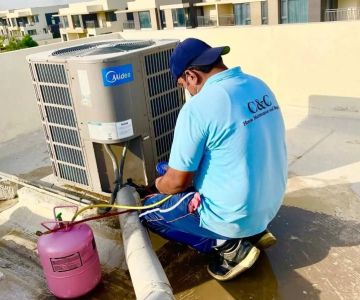
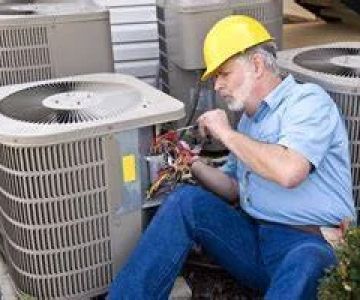
 Iron City Heating and Air, Inc4.0 (38 reviews)
 Charlie's Heating & Air5.0 (2 reviews)
 Home Services at The Home Depot4.0 (9 reviews)
 Langley Heating and Air, Inc. Wake Forest, NC.5.0 (259 reviews)
 Twin Enterprise HVAC Division0.0 (0 reviews)
 SOS Air Conditioning, Heating & Electrical5.0 (29 reviews)
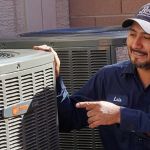 Complete Guide: Fix AC Unit for Homeowners in 2025
 What to Do When You Need to Fix Air Conditioning Immediately | Ac Fix
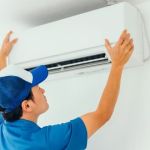 Best Air Conditioner Repair Services Near You Today | AC Fix
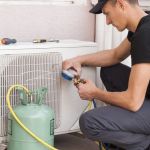 Can You Fix an AC Condenser Without Replacing the Entire System? Insights and Solutions
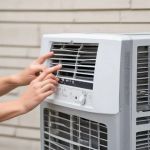 How Long Should It Take to Fix an Air Conditioner? Time Expectations and Common Issues
 How to Fix Your AC Without Spending a Fortune: Expert Tips & DIY Solutions