
Can You Fix an Air Conditioning Leak Without Replacing the Entire System?
- Understanding AC Leaks
- Types of AC Leaks
- Can You Fix It Yourself?
- When to Call a Professional for AC Leak Repair
- Preventative Maintenance for Your AC
Understanding AC Leaks
An air conditioning leak occurs when there is a loss of refrigerant, which is essential for your AC system to function properly. Refrigerant is a fluid that helps absorb and release heat to cool the air. If there is a leak, your AC won't cool your home as efficiently, and it may even stop working entirely if the refrigerant level becomes too low.
AC leaks can be caused by a variety of factors, including poor installation, wear and tear over time, or corrosion of the system's components. Identifying the source of the leak and determining the appropriate course of action is essential to restoring your system's efficiency.
Magnolia Comfort Heating and Cooling Services
CantonMadison CountyMississippi
123 Watford Pkwy Dr ste c, Canton, MS 39046, USA
Types of AC Leaks
There are a few common types of leaks that can occur in air conditioning systems:

Robinson Heating & Air LLC
MeridianLauderdale CountyMississippi
7802b Poplar Springs Dr, Meridian, MS 39305, USA
1. Refrigerant Line Leaks
Refrigerant lines carry the refrigerant throughout the system. If these lines develop cracks or holes, the refrigerant can escape, causing the system to lose its cooling power.
2. Coil Leaks
The evaporator and condenser coils are responsible for transferring heat. Over time, these coils can become corroded, leading to leaks. When this happens, the system can't efficiently transfer heat, which causes a decrease in cooling performance.
3. Drain Line Clogs
If the condensate drain line becomes clogged, water can back up into the AC unit, which can cause leaks. This type of issue is often more about drainage rather than refrigerant loss but can still lead to significant problems for your system.
Can You Fix an AC Leak Yourself?
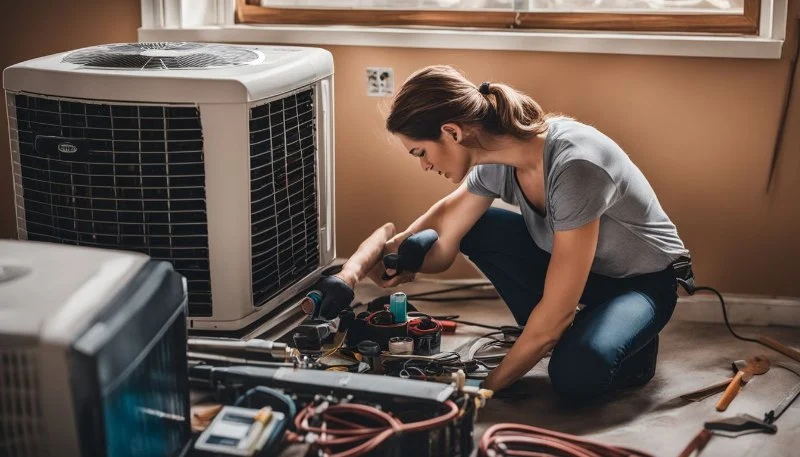
Fixing an air conditioning leak without replacing the entire system depends on the type and severity of the leak. In some cases, a DIY fix is possible, but in others, professional intervention is needed. Here’s a breakdown of whether you can handle the repair yourself:
1. Minor Leaks (Refrigerant Recharge)
If your AC is low on refrigerant due to a minor leak, you may be able to recharge it yourself. Refrigerant is often sold in cans that you can use to top up the system. However, it's important to note that adding refrigerant won’t fix the leak itself – it’s a temporary solution at best.
2. Larger Leaks (Refrigerant Line or Coil Issues)
For more significant leaks, such as those in the refrigerant lines or coils, DIY repairs are not recommended. These issues typically require professional tools and expertise to fix. Attempting to repair large leaks yourself may cause further damage to the system and could void your warranty.
3. Clogged Drain Lines
If your leak is caused by a clogged drain line, this is something you may be able to fix yourself. You can try clearing the line with a wet-dry vacuum or using a drain cleaner. If this doesn’t work, a professional may need to clean the line thoroughly.
When to Call a Professional for AC Leak Repair
If you’ve tried DIY methods and the leak persists, or if you notice any of the following signs, it's time to call a professional:
1. Constant Refrigerant Loss
If your refrigerant keeps running low despite topping it up, this could indicate a significant leak. A professional technician will be able to locate and repair the source of the leak, preventing further refrigerant loss.
2. Reduced Cooling Performance
If your AC isn't cooling as effectively as it used to, this is a strong indicator that something is wrong. A technician can diagnose whether the problem is a leak or another issue and fix it accordingly.
3. Damaged Coils or Refrigerant Lines
If the source of the leak is a damaged coil or refrigerant line, it typically requires specialized skills and tools to repair. A professional will be able to replace or patch the affected components and restore your AC’s performance.
Preventative Maintenance for Your AC
One of the best ways to avoid air conditioning leaks is through regular maintenance. Here are some key steps to help you maintain your AC system and prevent leaks:
1. Schedule Regular Professional Inspections
Having your AC system inspected and serviced by a professional once or twice a year can help catch potential issues before they become major problems. A technician can check for leaks, clean coils, and ensure that everything is functioning properly.
2. Keep the Area Around Your AC Clean
Debris, dirt, and leaves can clog your AC’s drainage system and cause water buildup, which can lead to leaks. Regularly clean the area around your AC to keep it free from obstructions.
3. Change the Air Filter Regularly
A clogged air filter can affect the airflow and efficiency of your AC, which may lead to additional strain on the system and potential leaks. Change the filter every 1-3 months to keep your system running smoothly.
In conclusion, while you may be able to fix minor air conditioning leaks yourself, significant issues generally require professional intervention. By scheduling regular maintenance and addressing small problems promptly, you can keep your AC running efficiently and avoid costly repairs in the future. If you suspect a major leak, don't hesitate to call in the experts to fix the problem before it escalates.
For more information or to find the best AC repair services, visit Ac Fix to get expert advice and the right tools for your needs.

 Iron City Heating and Air, Inc4.0 (38 reviews)
 Charlie's Heating & Air5.0 (2 reviews)
 Home Services at The Home Depot4.0 (9 reviews)
 Langley Heating and Air, Inc. Wake Forest, NC.5.0 (259 reviews)
 Twin Enterprise HVAC Division0.0 (0 reviews)
 SOS Air Conditioning, Heating & Electrical5.0 (29 reviews)
 Complete Guide: Fix AC Unit for Homeowners in 2025
 What to Do When You Need to Fix Air Conditioning Immediately | Ac Fix
 Best Air Conditioner Repair Services Near You Today | AC Fix
 Can You Fix an AC Condenser Without Replacing the Entire System? Insights and Solutions
 How Long Should It Take to Fix an Air Conditioner? Time Expectations and Common Issues
 How to Fix Your AC Without Spending a Fortune: Expert Tips & DIY Solutions