
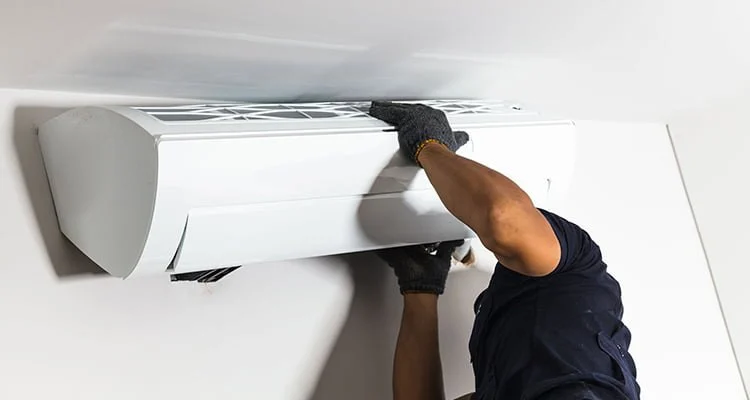
Avoid These Common Mistakes When Trying to Fix an Air Conditioning Leak
- 1-Why AC Leaks Are Common
- 2-Signs of an AC Leak
- 3-Common Mistakes to Avoid When Fixing an AC Leak
- 4-How to Fix an AC Leak Safely
- 5-How to Maintain Your AC to Prevent Leaks
1. Why AC Leaks Are Common
Air conditioning systems are essential for comfort, especially during the hot summer months. However, many homeowners encounter the problem of AC leaks. These leaks typically occur when refrigerant, which is essential for cooling the air, escapes from the system. Over time, small holes or cracks in the coils or other parts of the AC unit can develop, causing a refrigerant leak. This can reduce the system’s efficiency and even cause it to stop working entirely if not fixed promptly.
Understanding why AC leaks are common is the first step toward ensuring your system works properly for years to come. These leaks are typically caused by a combination of wear and tear, poor maintenance, and environmental factors that degrade the AC components over time.
2. Signs of an AC Leak
When an AC unit has a refrigerant leak, it often shows a few clear signs. Here are some indicators that your AC may be leaking refrigerant:

Columbia Heating & Air Conditioning Services
ColumbiaRichland CountySouth Carolina
1121 Assembly St, Columbia, SC 29201, USA
1. Reduced Cooling Efficiency
If your AC isn’t cooling as efficiently as it used to or is taking longer to cool the space, it could be due to a refrigerant leak. This is one of the most noticeable signs of a leak.
2. Ice Buildup on the Coils
When there isn’t enough refrigerant in the system, the evaporator coils can freeze. This ice buildup will affect the overall cooling capacity of your AC and is a clear sign of a refrigerant issue.
3. Hissing or Bubbling Sounds
Leaks can cause a hissing or bubbling sound in the AC unit. These sounds often occur when the refrigerant escapes through a small hole or crack in the system.
3. Common Mistakes to Avoid When Fixing an AC Leak
Fixing an AC leak might seem like an easy task, but there are several common mistakes that people make when trying to handle it themselves. Avoiding these mistakes can save you time, money, and potential damage to your system:
1. Not Identifying the Source of the Leak
One of the biggest mistakes is assuming the leak is coming from the refrigerant lines without thoroughly inspecting the entire system. The leak could be anywhere in the AC unit, including the coils, connections, or the condenser. Proper diagnosis is essential for a successful repair.
2. Overcharging the System with Refrigerant
When adding refrigerant, it's crucial not to overcharge the system. Adding too much refrigerant can cause the AC to run inefficiently and even damage the compressor. Always use the correct amount as specified by the manufacturer.
3. Ignoring Proper Sealing Techniques
When repairing a refrigerant leak, it’s important to properly seal the area after the leak has been fixed. Failing to do so can allow the refrigerant to escape again, which will make the repair ineffective.
4. Not Using Proper Safety Equipment
Working with refrigerant can be dangerous if not handled properly. Always wear gloves and eye protection, and ensure the area is well-ventilated. Refrigerant exposure can cause health issues if mishandled, so don’t skip safety precautions.
4. How to Fix an AC Leak Safely
Fixing an AC leak requires precision and caution. If you’ve identified a refrigerant leak and have the proper tools, follow these steps to repair it safely:
1. Turn Off the AC
Before beginning any repair, always turn off the AC to avoid any electrical hazards. Disconnect the power supply to the unit to ensure safety.
2. Locate the Leak
Use a UV light and leak detector to pinpoint the exact location of the leak. Some AC systems have leak detection kits that make this process easier. Once identified, mark the area for easy access during the repair.
3. Fix the Leak
If the leak is small and accessible, you may be able to seal it using specialized epoxy or a refrigerant sealant. For larger leaks or those in critical areas like the evaporator coil, it's best to contact a professional for repair.
4. Refill the Refrigerant
After the leak is fixed, refill the system with the correct type and amount of refrigerant. Make sure to follow the manufacturer’s guidelines to avoid overcharging the system.
5. Test the AC
Once the repair is completed, turn the AC back on and monitor its performance. Check for any signs of leaks or reduced cooling efficiency. If everything is working well, you’re good to go!
5. How to Maintain Your AC to Prevent Leaks
Proper maintenance is key to ensuring your AC system remains leak-free and operates efficiently. Here are a few maintenance tips to prevent leaks:
1. Regularly Check for Leaks
Inspect your AC unit periodically for any signs of leaks. Early detection is crucial for preventing larger problems in the future. Look for discoloration, dirt, or oil stains around the refrigerant lines and coils.
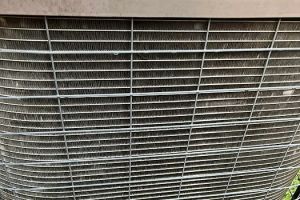
2. Clean the Coils and Filters
Dirty coils and clogged filters can contribute to system failure and leaks. Regularly clean the coils and replace the air filters to maintain airflow and efficiency.
3. Schedule Annual Inspections
Have a professional technician inspect your AC unit annually. They can check for potential leaks, wear and tear, and other issues that could lead to system breakdowns. Regular maintenance extends the lifespan of your AC and keeps it functioning optimally.
If you need help fixing your air conditioning system or need the right products and services, visit Ac Fix for expert advice and high-quality AC maintenance products.

 Iron City Heating and Air, Inc4.0 (38 reviews)
 Charlie's Heating & Air5.0 (2 reviews)
 Home Services at The Home Depot4.0 (9 reviews)
 Langley Heating and Air, Inc. Wake Forest, NC.5.0 (259 reviews)
 Twin Enterprise HVAC Division0.0 (0 reviews)
 SOS Air Conditioning, Heating & Electrical5.0 (29 reviews)
 Complete Guide: Fix AC Unit for Homeowners in 2025
 What to Do When You Need to Fix Air Conditioning Immediately | Ac Fix
 Best Air Conditioner Repair Services Near You Today | AC Fix
 Can You Fix an AC Condenser Without Replacing the Entire System? Insights and Solutions
 How Long Should It Take to Fix an Air Conditioner? Time Expectations and Common Issues
 How to Fix Your AC Without Spending a Fortune: Expert Tips & DIY Solutions