
How to Fix Your AC Without Spending a Fortune
- 1. Understanding Common AC Problems
- 2. Basic DIY AC Repair Tips
- 3. When to Call a Professional
- 4. How to Maintain Your AC to Prevent Repairs
- 5. Cost-Effective Options for AC Repair
1. Understanding Common AC Problems
Before diving into repairs, it's essential to understand the common problems that could cause your AC unit to malfunction. These issues can often be diagnosed and fixed without calling a professional, saving you a significant amount of money.
- Refrigerant Leaks: One of the most common issues, which can cause your AC to blow warm air. If you notice your system is no longer cooling, this may be the culprit.
- Clogged Filters: A dirty air filter can block airflow, reducing your AC’s efficiency. Regularly cleaning or replacing your filters can help keep the system running smoothly.
- Frozen Coils: Ice forming on the evaporator coils can hinder cooling. This is often caused by low refrigerant levels, poor airflow, or dirty filters.
- Faulty Thermostat: An inaccurate thermostat can cause your AC to malfunction. If your AC is running but not cooling properly, the thermostat might need recalibration or replacement.
By understanding these common AC problems, you can take proactive steps to fix minor issues before they turn into costly repairs.
2. Basic DIY AC Repair Tips
If your AC isn't working as it should, there are several simple fixes you can attempt before calling a professional. Many issues can be addressed with basic tools and a little know-how. Here are a few DIY tips:
- Check the Thermostat: Ensure the thermostat is set to the correct temperature and mode (cooling). You can also try recalibrating the thermostat or replacing the batteries.
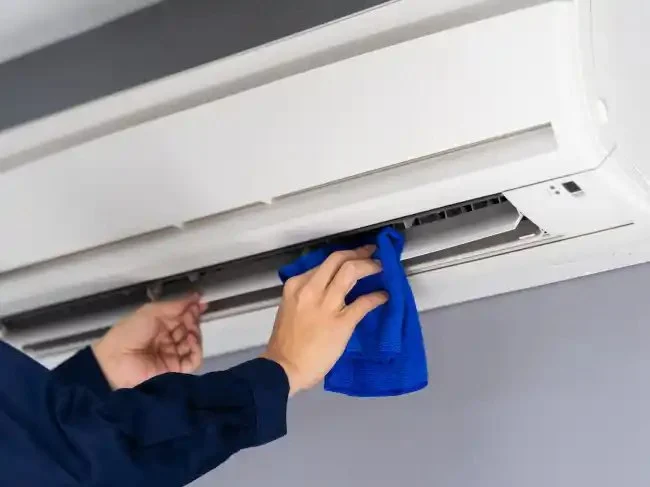
- Clean the Air Filter: A clogged filter can reduce airflow and cause the AC to work harder. Simply remove and clean or replace the filter if it’s dirty.
- Inspect the Condenser Unit: Sometimes the outdoor condenser unit can get clogged with dirt, leaves, or debris. Clean around the unit and ensure nothing is obstructing airflow.
- Check the Circuit Breaker: Sometimes the issue is simply a tripped breaker. Check your circuit breaker and reset it if necessary.
- Thaw Frozen Coils: If your AC coils are frozen, turn off the system and allow it to thaw. This may take a few hours, but it’s essential to prevent further damage to the system.
These basic steps can help fix minor issues and save you money on expensive professional repairs.
3. When to Call a Professional
While many AC issues can be resolved through DIY fixes, there are times when you’ll need to call a professional. Here are some situations where professional help is necessary:
- Refrigerant Leaks: Handling refrigerants requires specialized training. If you suspect a leak, it’s best to contact a professional to avoid harming the environment or damaging your system.
- Frozen Coils Persist: If your AC’s coils keep freezing despite basic maintenance, this could indicate a more significant issue, such as a refrigerant leak or a malfunctioning compressor.
- Electrical Issues: If you experience electrical problems, like frequent tripped circuit breakers or faulty wiring, it’s essential to call a professional to avoid safety hazards.
- Frequent Breakdowns: If your system requires frequent repairs, it might be time for a replacement. A professional can advise you on whether repair or replacement is the best option.
While DIY repairs are great for minor fixes, more complex issues require the expertise of a trained HVAC technician.
4. How to Maintain Your AC to Prevent Repairs
Regular maintenance is the key to keeping your AC unit running smoothly and avoiding costly repairs down the line. Here are a few tips to maintain your AC:
- Regularly Change the Air Filter: This is the most important maintenance task. Changing or cleaning the air filter every 1-3 months helps prevent airflow issues and keeps your system efficient.
- Schedule Annual Professional Maintenance: Having a professional inspect and service your AC unit once a year can catch small issues before they become big problems.
- Clean the Condenser Coils: Clean the outdoor condenser unit and remove any debris blocking airflow. This helps prevent the system from overheating and improves efficiency.
- Check the Insulation: Ensure that your AC ducts are well-insulated to prevent energy loss. Insulated ducts keep the air cool and help your system work more efficiently.
By keeping up with regular maintenance, you can extend the lifespan of your AC unit and prevent the need for costly repairs.
5. Cost-Effective Options for AC Repair
If your AC needs repairs, it’s essential to consider cost-effective options. Here are some ways to save money on AC repairs:
- Compare Quotes: Always get multiple quotes from different HVAC contractors to ensure you’re getting a competitive price for your repair work.
- Look for Coupons or Discounts: Many HVAC companies offer seasonal promotions or discounts for first-time customers. Take advantage of these deals to lower your repair costs.
- Opt for Preventative Maintenance: Regular maintenance can prevent expensive repairs in the future. Some companies offer affordable maintenance packages that can save you money over time.
- Consider a Home Warranty: If you frequently encounter AC problems, consider a home warranty plan that covers HVAC repairs. This can save you a significant amount on future repairs.
By being proactive and shopping around for the best deals, you can reduce the cost of AC repairs and keep your system in good working order.
 Cornerstone AC & Heating4.0 (15 reviews)
 TemperaturePro Charleston4.0 (334 reviews)
 Pioneer Heating & Air Services5.0 (11 reviews)
 Adas Auto Repair & Towing4.0 (65 reviews)
 A/C Doctors Inc.4.0 (470 reviews)
 SERVPRO of Alexandria4.0 (42 reviews)
 Fastest Way to Fix AC Unit Without Getting Overcharged in the US
 How Long Should It Take to Fix an Air Conditioning Leak?
 Top Ways to Fix Your AC Quickly and Affordably in Your Area
 How to Fix Air Conditioners Without Spending a Fortune
 Best Practices for a Successful and Affordable AC Fix
 Where to Fix Air Conditioning in Emergency Situations: Quick Solutions